
How to Track Perimenopause Symptoms (and Actually Find Patterns)
A practical guide to tracking perimenopause symptoms — what to log, how often, and how to spot what's helping.
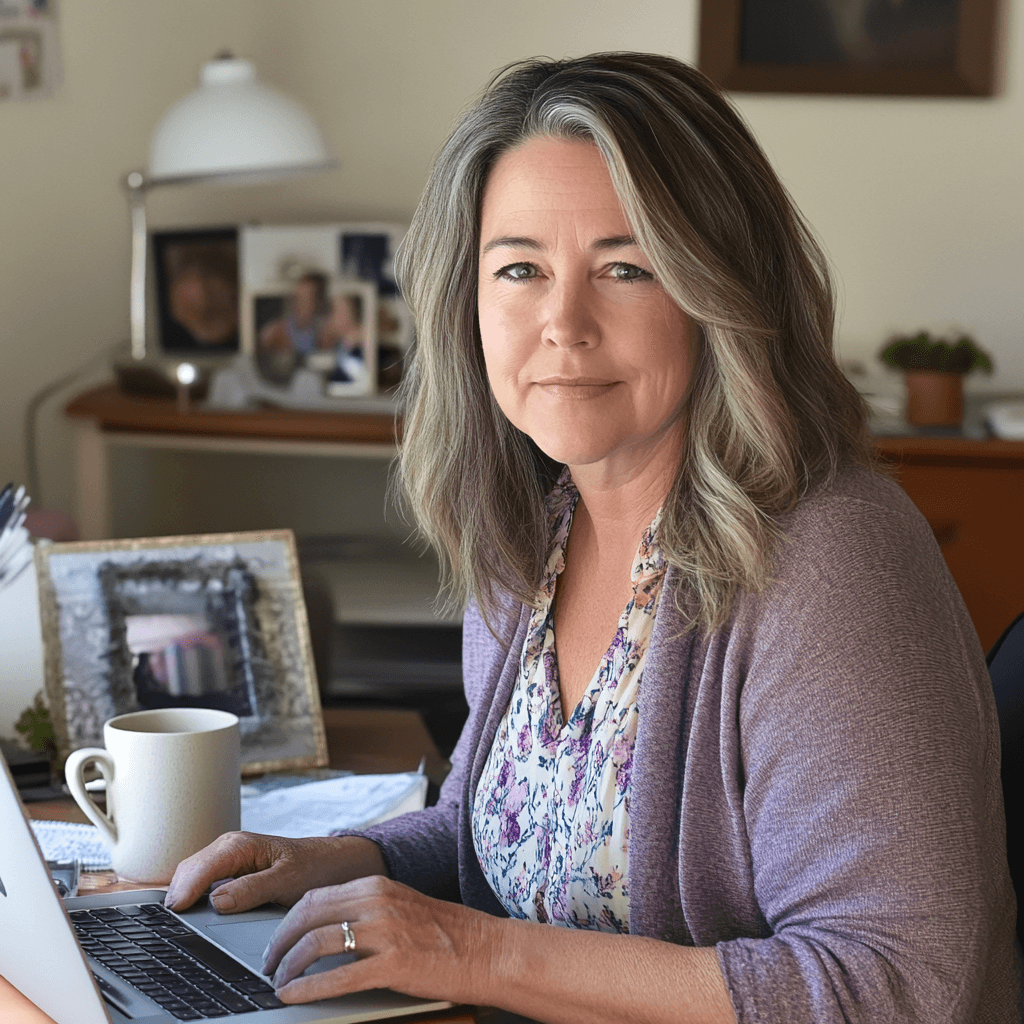 Rebecca Rumsey, MSc, RD
How to Track Perimenopause Symptoms
Tracking is the single highest-leverage thing you can do in perimenopause. Patterns only reveal themselves over weeks of data — and you'll catch yourself missing things you swore you'd noticed.
What to track
- Sleep quality — 1–10 score, plus wake-ups
- Mood and anxiety — 1–10 scores
- Hot flashes — count + intensity
- Energy — morning, afternoon, evening
- Bloating — yes/no + intensity
- Brain fog — 1–10
- Period — bleeding days, flow
- Food — meals + alcohol
- Exercise and steps
- HRT dose (if applicable)
How often
Once a day, end of day. 60 seconds. Consistency beats detail.
How long until you see patterns
2–3 weeks for trigger foods. 4–6 weeks for cycle and symptom patterns. 8–12 weeks for HRT optimisation.
What to do with the data
Look for these specific patterns: what foods/drinks precede bad nights? what's the relationship between sleep and next-day mood? are hot flashes clustering on specific cycle days?
The hard part is doing this analysis yourself. Apps like Balance let you log, but you have to spot patterns. Lila does the correlation automatically — including linking food to symptoms.
Want a perimenopause coach that does this work for you? Lila tracks 20+ symptoms, identifies your trigger foods through photo meal logging, and adapts your plan as your hormones shift — designed by Rebecca Rumsey, MSc, RD.
Related
Get Lila, your personal coach for perimenopause.
Built for women in their 40s. 24/7 coaching, in your pocket.