

Products for perimenopause sleep and night sweats
Sleep is usually the first thing perimenopause takes and the last thing to come back. Night sweats, 3am wakings and racing thoughts all have different fixes, and buying for the wrong one is why so many women have a drawer of things that did not help.
Quick answer
Bamboo, Tencel or merino sleepwear that moves moisture away instead of trapping it like cotton does. Options below start around $39.99, sold directly by Shopify merchants.
Reviewed by Rebecca Rumsey, MSc, RD — Registered Dietitian, perimenopause nutrition lead at Lila
Last reviewed October 21, 2026
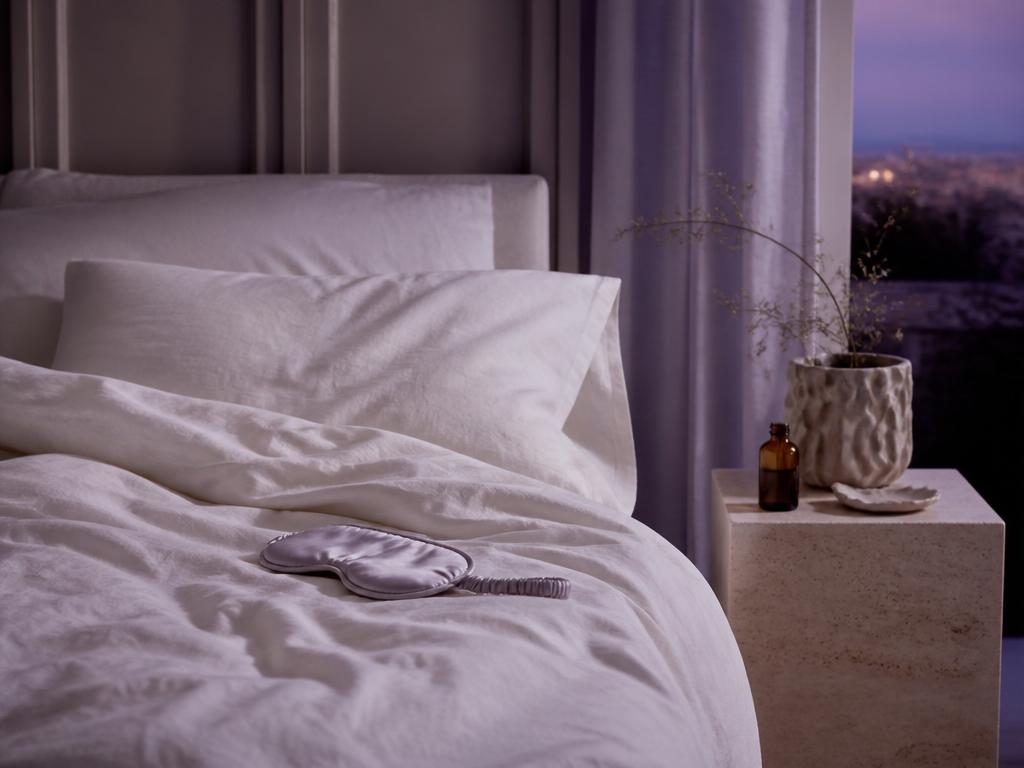
Sleep & night sweats products, live from Shopify


Prices and availability are fetched live from Shopify's Global Catalog and can change. Some links may earn Lila a commission at no cost to you.
What to look for
- Bamboo, Tencel or merino sleepwear that moves moisture away instead of trapping it like cotton does.
- Cooling mattress toppers or pads if the heat is coming from underneath rather than the duvet.
- Magnesium glycinate rather than melatonin if the problem is staying asleep rather than falling asleep.
If night sweats are drenching and nightly, that is worth a conversation with a clinician about HRT rather than another set of sheets.
Sleep & night sweats FAQs
What actually helps perimenopause night sweats?
In order of evidence: HRT, then cutting alcohol in the evening, then keeping the bedroom under 18C, then cooling fabrics. Alcohol is the most underrated trigger; many women see a measurable drop within a week of stopping evening drinks.
Do cooling sheets really work?
They will not stop a hot flush, but moisture-wicking fabric shortens how long you stay awake afterwards, which is often the part that ruins the next day.
Is melatonin safe long term in perimenopause?
Short-term use is generally considered safe, but melatonin helps sleep onset rather than the 3am waking that is more typical of perimenopause. Magnesium and consistent wake times tend to be more useful for that pattern.
Can food affect night sweats?
Yes, and it is very individual. Alcohol, caffeine after midday, spicy food and high-sugar evening meals are the four most common triggers we see in Lila's food-to-symptom data.
See whether it is actually working
Lila links what you eat and take to how you feel, so you can tell the difference between a habit that helps and one that just costs money.