A safety-first Lila supplement guide

Potassium Citrate

A practical guide to the recorded directions for Potassium Citrate, with symptom tracking prompts and questions to take to a clinician.

Check the label · 2 items to review
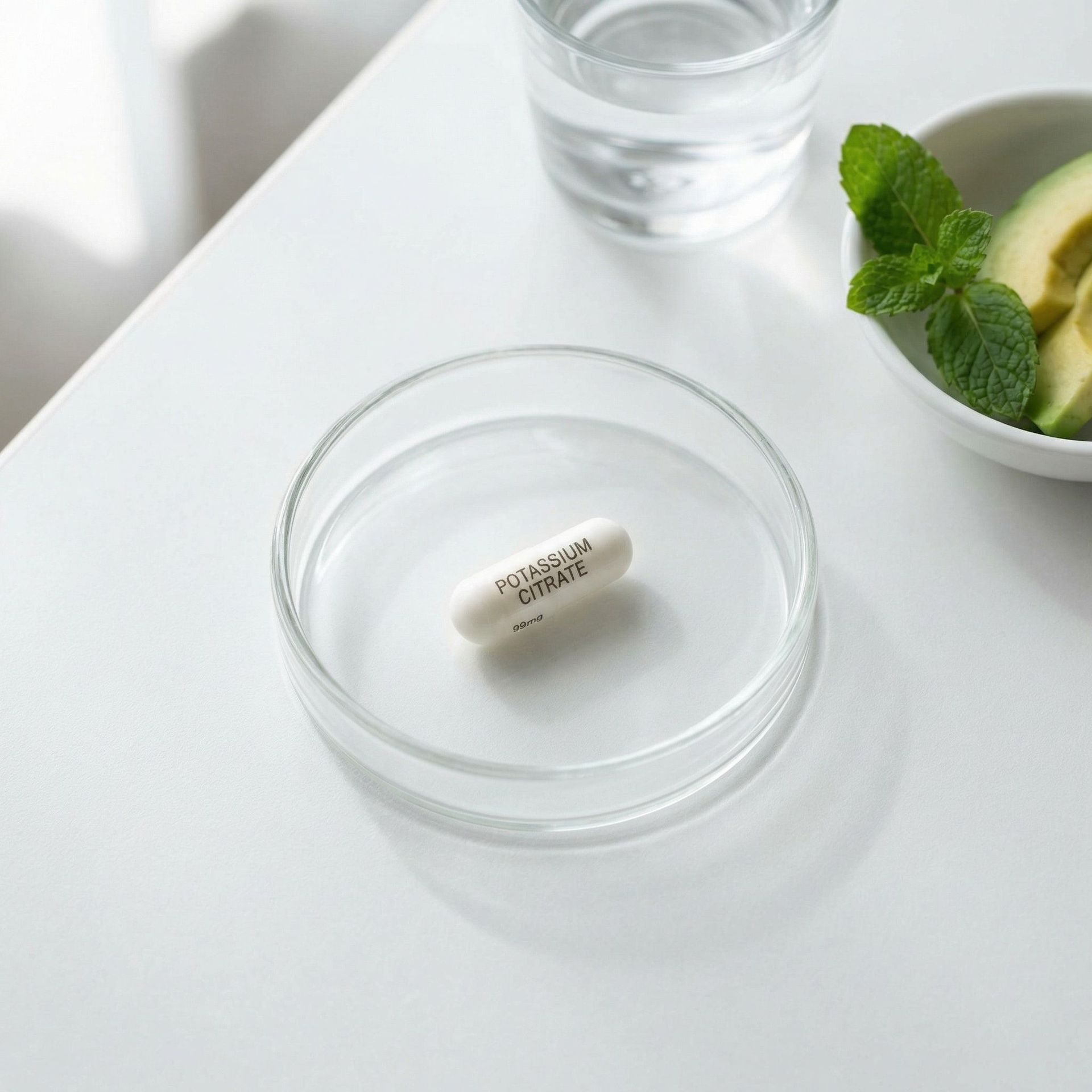
Unbranded presentation of Potassium Citrate
Clinician check recommended

The perimenopause lens

Track first. Review supplements with a clinician.

Supplement evidence, quality, interactions and appropriate doses vary. These symptom tags are observation prompts, not treatment claims or personalized medical advice.

Dietary supplements: what you need to know · NIH ODS

Cramps

Observe before drawing conclusions

Track timing, movement, hydration and cycle context. A meal or supplement should not replace assessment of persistent cramps.

Track: severity + cycle timing

Low energy

Check how the whole meal lands

Food is one part of energy. Notice meal timing, sleep and symptoms together rather than assigning the result to one nutrient.

Track: energy 1–3 hours later

Fatigue

Separate a pattern from one day

Notice energy alongside sleep, meals and symptoms across several days. Ongoing fatigue deserves a clinical conversation.

Track: energy + previous night

Sleep changes

Look beyond the last thing you took

Track timing, hot flashes, stress and wake-ups together instead of assuming one meal or supplement explains the night.

Track: timing + wake-ups

The routine

2 simple check-ins

Example amounts are shown for context, not as a personal recommendation.

01

Potassium (as Potassium Citrate)

99mg per serving (standard over-the-counter limit).

Potassium (as Potassium Citrate) is listed in this Lila protocol. Evidence and suitability vary by product, dose and individual health context.

Do not take high-dose potassium or combine it with potassium-sparing blood pressure medications without direct clearance from your healthcare provider. Confirm the product, dose and interactions with a clinician or pharmacist.
Take your dose with a full 8 oz glass of water.NIH source
02

Note

Total daily potassium needs are around 2,600–3,400mg.

Note is listed in this Lila protocol. Evidence and suitability vary by product, dose and individual health context.

Do not take high-dose potassium or combine it with potassium-sparing blood pressure medications without direct clearance from your healthcare provider. Confirm the product, dose and interactions with a clinician or pharmacist.
Take your dose with a full 8 oz glass of water.NIH source

Safety first

Your medications matter more than the trend.

Before adding a supplement, share the full list with your doctor or pharmacist—especially if you take prescriptions, have kidney or liver concerns, are preparing for surgery, or already use a multivitamin.

How Lila makes it useful

  • Keep your routine, symptoms and meals in the same daily view.
  • Notice patterns over time instead of guessing after one good or bad night.
  • Bring a cleaner record of what you take to your next clinician visit.

Your symptoms change. Your plan should too.

A routine you can actually remember—and review.

Lila keeps meals, supplements and symptoms connected, so your plan can evolve with your real life. Always confirm supplement choices with your clinician.

Track my symptomsFree to download

This page is an educational example and is not medical advice, diagnosis or treatment. Supplement needs and safe amounts vary by person.