
Omega-3 Fatty Acids
This is a specific supplement product. Its name may suggest a goal, but the Supplement Facts label is what tells you what it actually contains.
Perimenopause symptoms
What might it help with?
The name alone cannot answer that
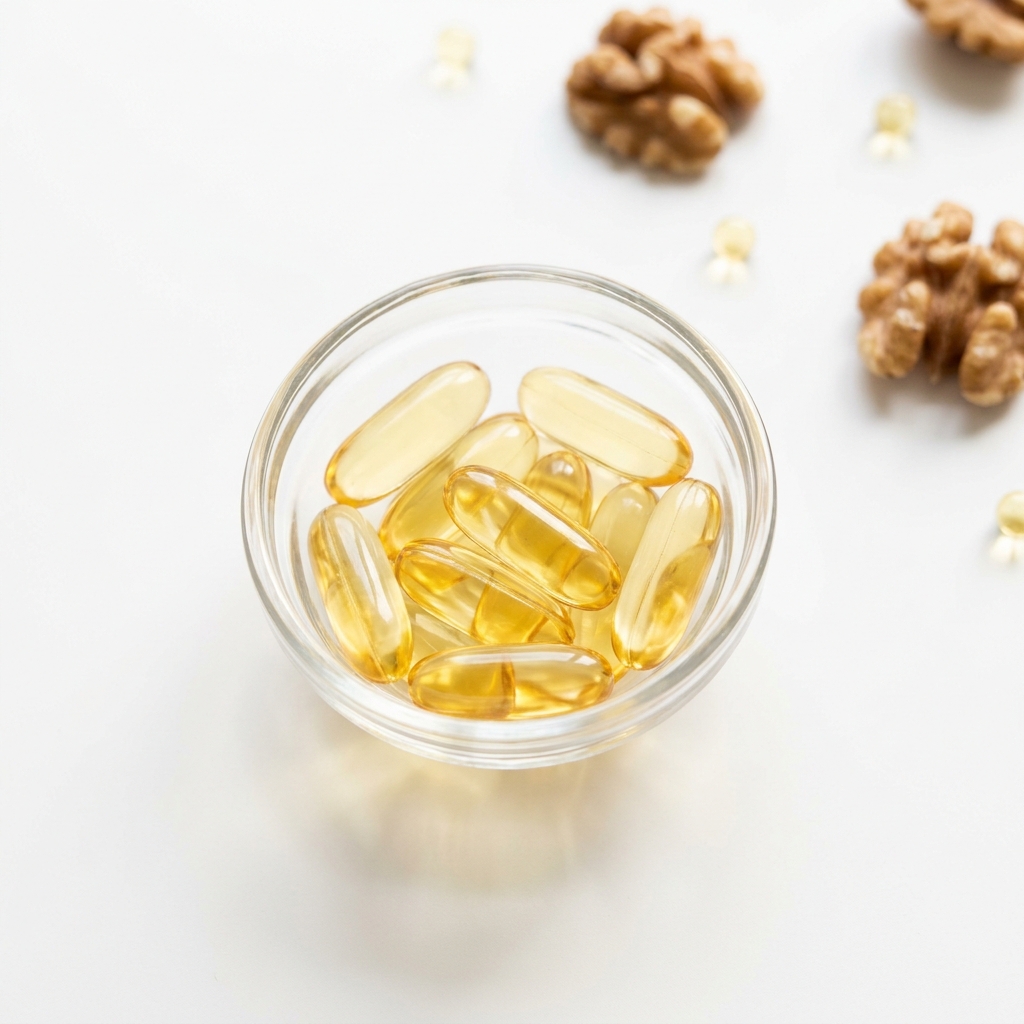
The product name and image do not show the active ingredients or amounts, so we cannot responsibly say which symptoms it may support. Check the exact Supplement Facts label.
Plain English
Think of it like this
Each active ingredient has its own job, evidence and safety profile. A brand or blend name compresses those differences into one phrase, so the Supplement Facts panel matters more than the front of the bottle.
A quick safety check
Possible side effects: Stomach upset, headache or an unexpected reaction are possible; If the product has several active ingredients, it can be harder to identify what caused a reaction.
Before using it: Blood Thinning: High doses may have an anticoagulant effect; consult your doctor if you are on blood-thinning medications or have upcoming surgery; Source Quality: Look for third-party tested (IFOS) supplements to ensure the absence of heavy metals like mercury.
More safety details
- Digestion: Some may experience 'fishy burps'; taking the supplement with a meal containing fat can improve absorption and reduce side effects
- Every active ingredient and amount on the Supplement Facts panel
- Prescription medicines, other supplements, pregnancy, surgery, and kidney or liver conditions
Educational only—not medical advice or a personal dose recommendation. Supplements can interact with medicines, health conditions, lab tests and surgery. Check a new product with a clinician or pharmacist who knows your history.
Your symptoms change. Your plan should too.
See whether it actually helps you.
Track the symptom you care about with Lila, so a change becomes easier to notice—and easier to explain to your clinician.
 Free to download