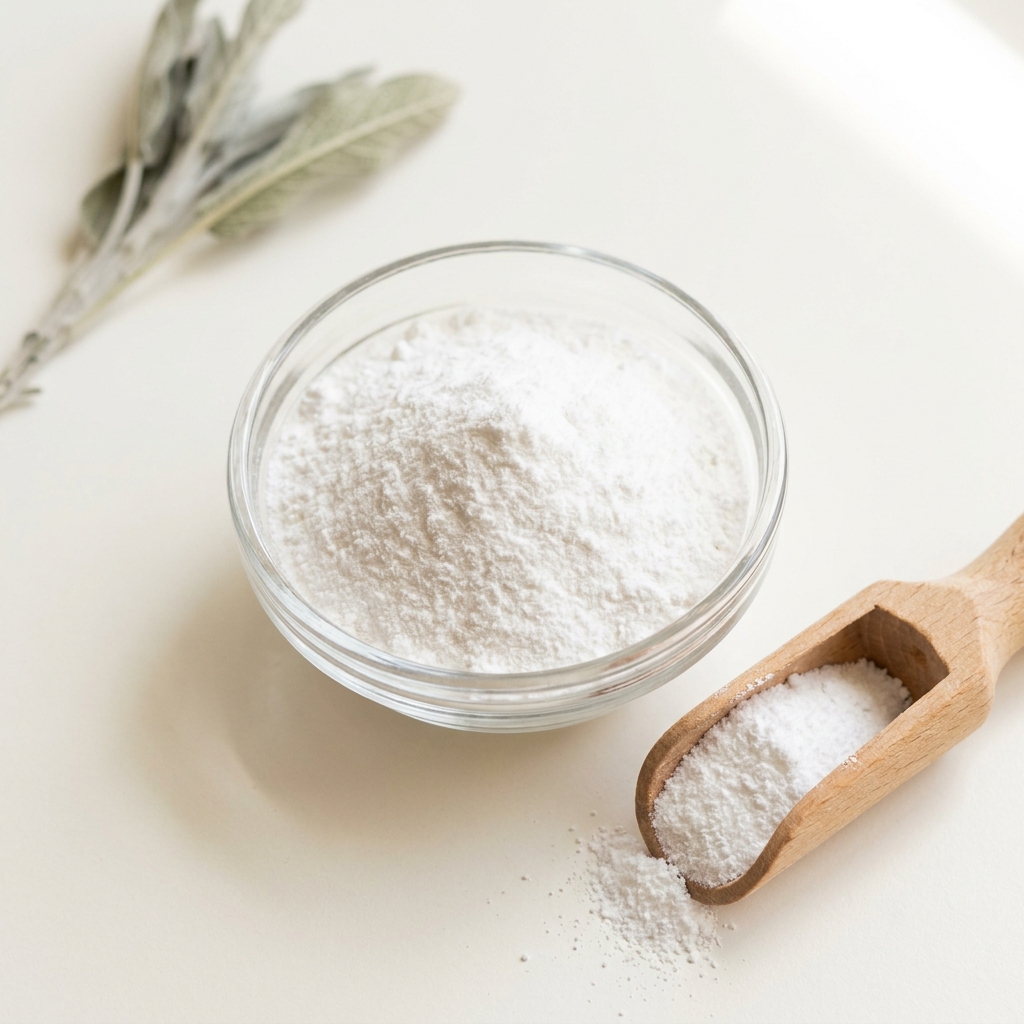
Creatine Supplement for Perimenopause Energy Support
A clear, evidence-aware guide to Creatine Supplement for Perimenopause Energy Support: what it may—and may not—help, how it works in plain English, and what to check before trying it.

The short version
Creatine helps rapidly recycle cellular energy and is well studied for strength and high-intensity exercise. Emerging research in women and midlife is interesting, but it is not a direct cure for perimenopause fatigue or brain fog.
The bigger picture
A well-studied training aid with promising midlife relevance
Creatine helps rapidly recycle cellular energy and is well studied for strength and high-intensity exercise. Emerging research in women and midlife is interesting, but it is not a direct cure for perimenopause fatigue or brain fog.
Your symptom map
What might it help—and how sure are we?
The strength shown here reflects evidence for that exact symptom—not how popular the ingredient is, how convincing the mechanism sounds, or how many reviews a product has.
Not established
Name the outcome before you buy
This guide has no published symptom tag. Choose one specific thing you want to improve and ask whether this ingredient has evidence for that exact outcome.
Likely impact
No symptom effect can be estimated without a defined goal.
Ingredient by ingredient
What is actually in this guide?
The recorded amount is context from the original guide—not a personal dose recommendation.
Creatine Supplement for Perimenopause Energy Support
In plain English
Creatine acts like a small rechargeable battery that helps cells remake ATP—the energy currency used during short, demanding work.
What the evidence says
Performance and strength support with training is well established. Cognitive and perimenopause symptom effects are less certain.
What you may notice
More likely to show up in training capacity over time than as a same-day energy buzz.
Possible side effects
- Water-weight increase
- Stomach upset or cramping in some people
Check before you try it
- Kidney disease or unexplained kidney-test results
Read the label like this
Plain creatine monohydrate is the studied standard; proprietary blends add confusion.
Original-guide caution: Supplements can interact with medicines and may not be appropriate with some health conditions. Confirm the product, dose and interactions with a clinician or pharmacist.
A small, useful experiment
Try it without losing the plot.
A supplement is easier to evaluate when you decide in advance what “helping” would look like.
- 1
Pick one outcome to track and write down your baseline before you start.
- 2
Change one supplement at a time, using the exact same product and amount.
- 3
Share the label and your complete medicine-and-supplement list with a pharmacist or clinician.
- 4
Stop for a concerning reaction; do not increase the dose simply because you cannot feel it working.
When to review
Judge it over several weeks alongside a consistent strength routine, not after one dose.
The non-negotiable safety bit
“Natural” still counts as active.
Supplements can change how medicines are absorbed or processed, affect lab tests, and matter around surgery. Bring the actual bottle—or a photo of every panel—to a pharmacist or clinician.
Dietary supplement safety · FDAWhen a supplement page is not enough
Persistent symptoms deserve a real assessment.
New, severe or worsening symptoms—including significant bleeding, chest symptoms, fainting, jaundice, a serious allergic reaction, or mood symptoms that feel unsafe— need timely medical care, not another bottle.
Your symptoms change. Your plan should too.
Less supplement fog. More useful patterns.
Lila keeps symptoms, routines and day-to-day context together, so you can see what changed and bring a clearer story to your clinician.
Educational information only—not medical advice, diagnosis or treatment. Evidence, product quality, appropriate amounts and interactions vary by person and product.