
Menopause Weight Gain Natural Remedies: 7 That Work
Discover menopause weight gain natural remedies backed by evidence: protein, strength training, better sleep, stress relief, and more practical strategies.
Why does the scale creep up when you're eating the same way you ate at 40? Cutting calories and adding random cardio misses what estrogen decline changes. Fat storage shifts toward the abdomen, lean muscle drops faster, and broken sleep plus stress make the next day's hunger louder.
The North American Menopause Society position statement reports that approximately 60%–70% of midlife women experience weight gain as a menopause-associated symptom, with an average increase of about 1.5 pounds (0.7 kg) per year between ages 50 and 60. Aging, lower energy expenditure, and less lean mass drive much of that gain, and no single herb reverses the fat shift. The menopause weight gain natural remedies that hold up are weekly body-composition habits. Start with two of the seven below, not all of them at once.
Table of Contents
- 1. Adequate Protein at Each Meal to Preserve Lean Mass
- 2. Regular Resistance Training to Build and Maintain Muscle
- 3. Mediterranean-Style Eating with Less Alcohol and Fewer Ultra-Processed Foods
- 4. Fiber-Rich, Low-Glycemic Eating to Stabilize Blood Sugar
- 5. Consistent Aerobic Activity and Daily Movement
- 6. Sleep Optimization to Regulate Appetite and Hormones
- 7. Stress Reduction and Mindfulness Practices
- 7 Natural Remedies for Menopause Weight Gain at a Glance
- Putting the Seven Remedies Together
1. Adequate Protein at Each Meal to Preserve Lean Mass
Muscle is the tissue that keeps resting burn from sliding. As estrogen support fades, a familiar calorie intake can still leave a softer waist if meals are mostly starch. Protein is how you hold lean mass while you eat a bit less, and it keeps you full enough to stay with the plan.
The VA/DoD 2025 obesity guideline cites approximately 1.5 g of protein per kilogram for many menopausal women, with higher needs possible at older ages. At 68 kg, that is about 100 g across the day, not a single huge dinner. I would get a dietitian involved before you push higher if you have kidney disease.
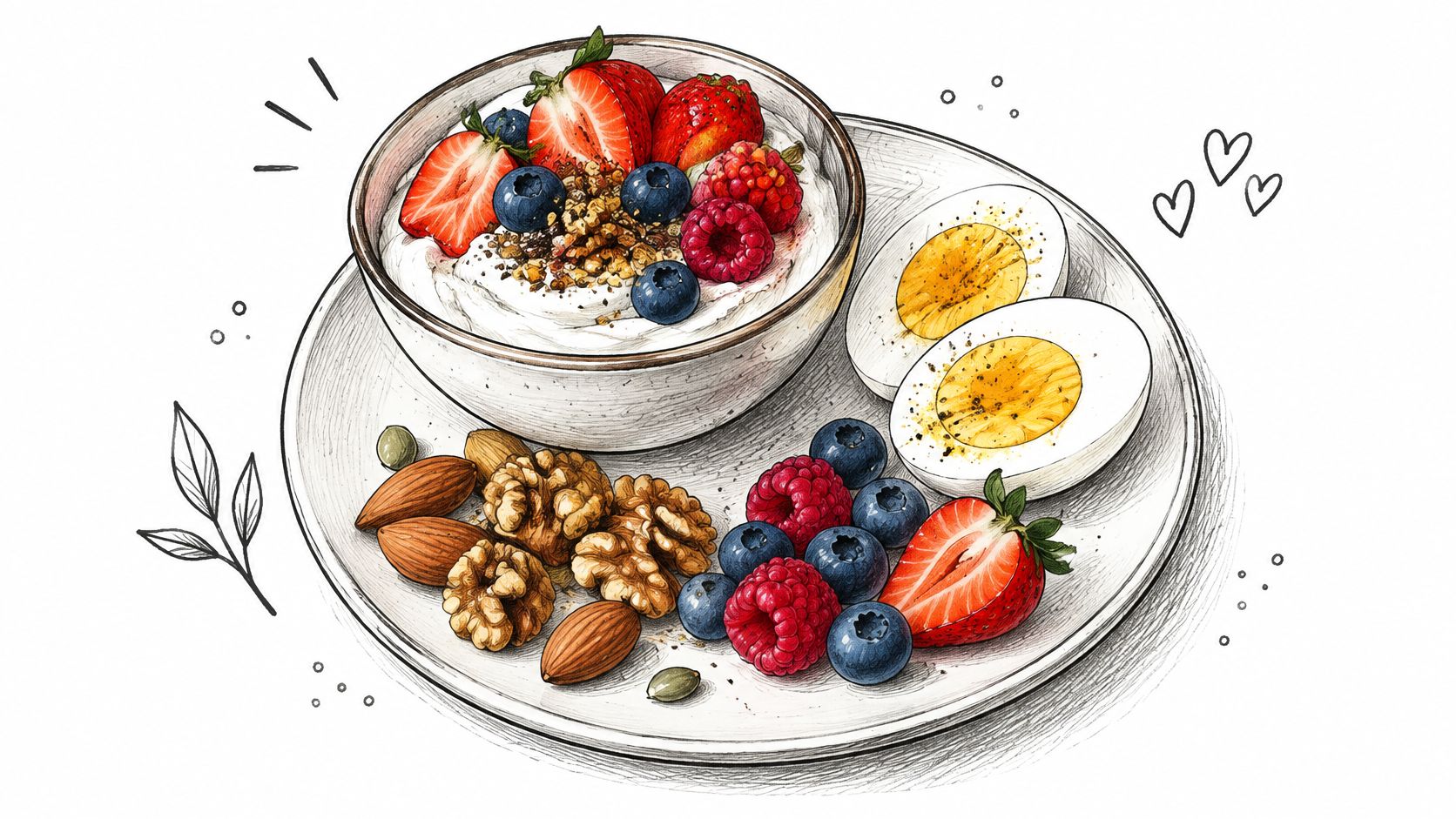
A Tuesday that works: Greek yogurt with berries and walnuts, chicken with lentils at lunch, and salmon at night. Breakfast is usually the meal that misses.
A plate like this covers the first meal without a complicated recipe.
- Anchor breakfast: Put a real protein serving on the first plate, because that meal is the one most women underfeed.
- Use a number: Run your weight through the protein calculator for women over 40, then log three days.
- Watch the split: If dinner carries almost all the protein, move some to lunch.
Practical rule: If your waist and strength improve while weight barely moves, keep the protein. The scale is a blunt tool here.
2. Regular Resistance Training to Build and Maintain Muscle
In 2023, approximately 20% of women during the menopausal transition were reported to gain at least 4.5 kg, in research published in Women's Health. Lifting won't erase that in a month. It changes what the weight is made of, and it supports bones and insulin sensitivity while the scale argues with you.
Two full-body sessions of 30 to 45 minutes are enough to start. Use a squat or sit-to-stand, a row, a press, and a hip hinge. Add load when the last reps still leave one or two in the tank.
This short session shows a simple loaded pattern you can copy at home.
▶ PlayLog the weight and the reps. If you already dance, or you want joint-friendly loading, progressive strength workouts for dancers are a useful model for hips and legs. The basics in strength training after 40 pair cleanly with the protein on your plate so recovery isn't an afterthought.
Soreness that stops you walking is too much. A session you repeat next week beats a heroic one you skip. Strength can rise while the scale sits still, and that is a win.
3. Mediterranean-Style Eating with Less Alcohol and Fewer Ultra-Processed Foods
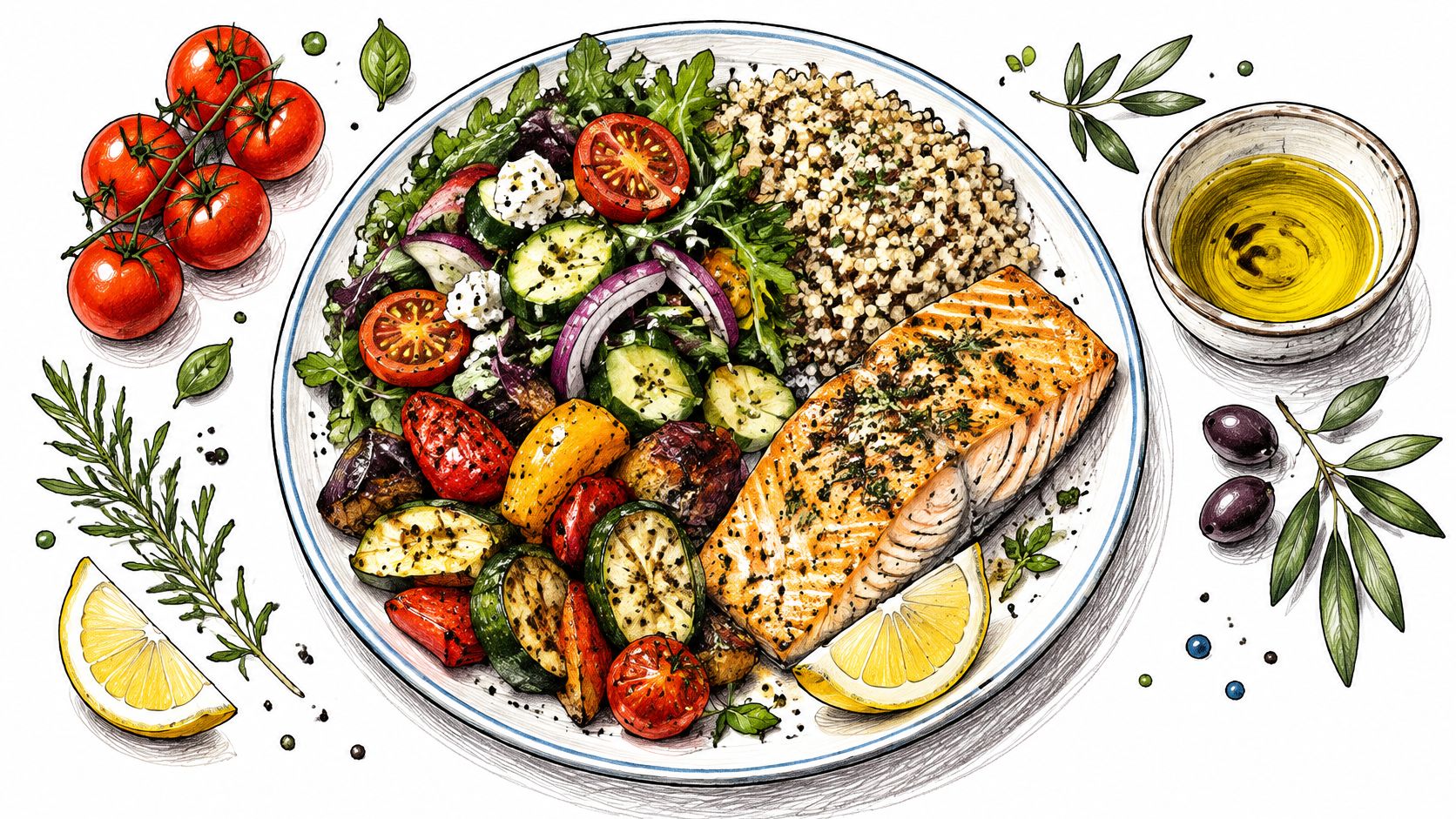
Build the plate before you name the diet. Half vegetables, a quarter protein, a quarter beans, potatoes, or whole grains, plus olive oil you measure. That pattern is easier to live with than a ban list, and it still leaves room for fish, yogurt, and fruit.
British Menopause Society guidance states that high-quality studies of ketogenic diets, fasting, and time-restricted eating have not been conducted in perimenopausal or menopausal cohorts, and long-term efficacy data are lacking. I wouldn't bet a month on keto because a feed called it hormone-friendly.
The Harvard Women's Health Watch notes that menopause supplements sit in a global market estimated at $17 billion, with projected annual growth above 5% through at least 2030, and that no dietary supplement has shown superiority to placebo for hot flashes. The aisle isn't a fat-loss plan.
This is the plate to copy on a busy night, not a restaurant performance.
Measure oil by the tablespoon and nuts by the handful. Swap one packaged snack for yogurt and berries, and set two alcohol-free nights so you can see sleep and intake move together. A fuller walk-through sits in this Mediterranean-style approach for perimenopause. The style fails when oil, cheese, and wine stay unlimited.
4. Fiber-Rich, Low-Glycemic Eating to Stabilize Blood Sugar
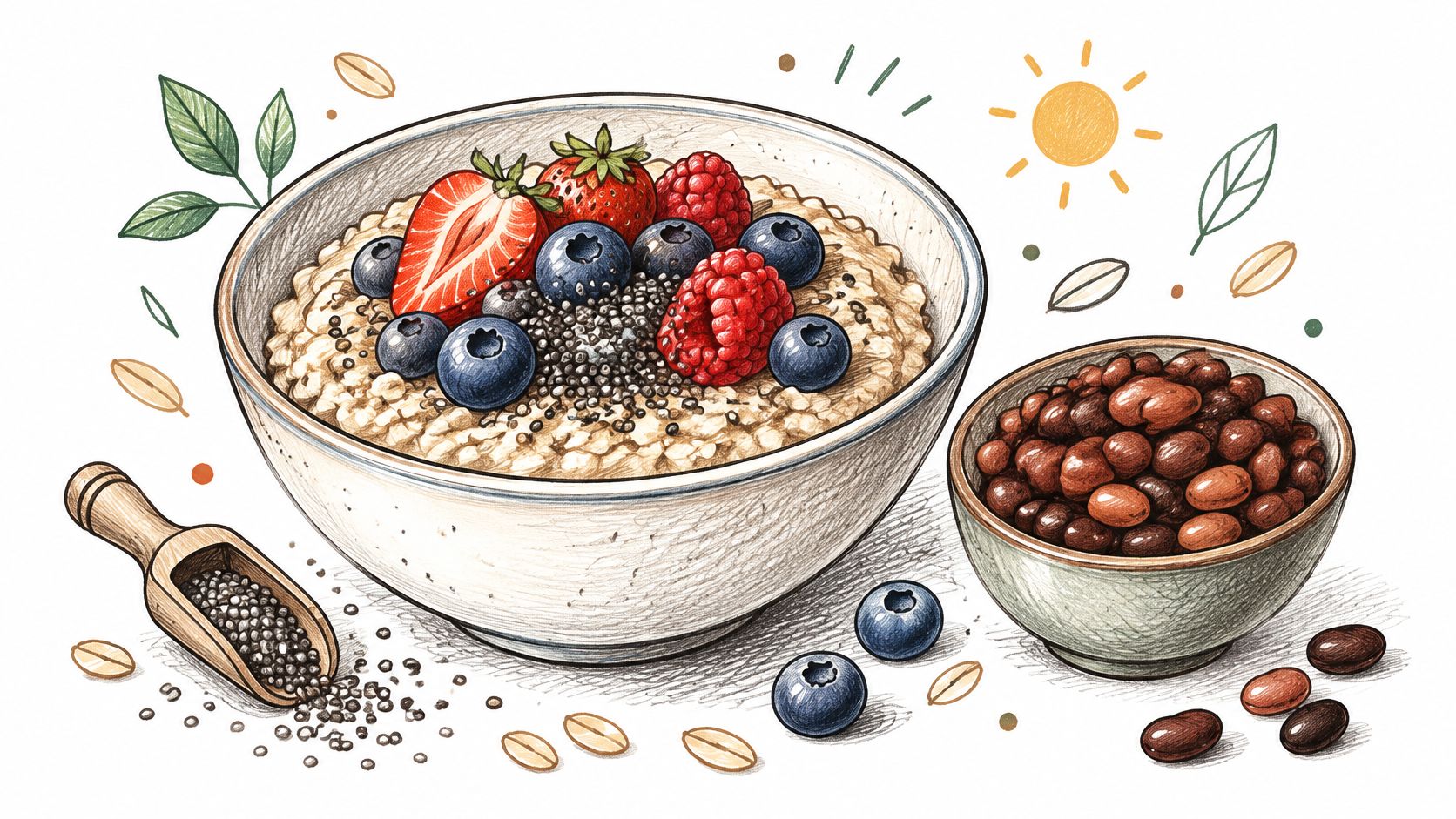
Refined cereal at 7 a.m. is a blood-sugar cliff. Oats with chia and berries are the same breakfast slot with fiber doing the braking, so the 10 a.m. hunt for a pastry gets quieter.
Steady the morning spike
Insulin resistance often creeps up in the menopause transition, and the extra energy likes the abdomen. You don't have to quit carbohydrates. You have to stop eating them alone.
- Add a brake: Beans with vegetables, or eggs with whole-grain toast, rise more slowly than toast by itself.
- Go slow on fiber: Raise it over two to three weeks and drink more water, or bloating will make you quit.
- Watch cravings: Log fiber and added sugar beside the afternoon slump. These blood sugar management notes cover meal balance without a ban list.
A bowl like this is an easy default when the morning is rushed.
Say the 3 p.m. crash always ends in a granola bar. Move some of that fiber into lunch and the crash usually softens. This won't outrun a huge surplus, and a sudden fiber jump can upset your gut. Treat it as carbohydrate quality, not a second diet on top of the plate you already built.
5. Consistent Aerobic Activity and Daily Movement
Exercise alone is the smaller lever, and pretending otherwise wastes months.
In a randomized trial of 439 women aged 50–75 with overweight, a 12-month comparison found average weight change of -10.8% with a reduced-calorie diet, -3.3% with aerobic exercise, and -11.9% with both, versus -0.6% in the control group. Walking still earns its place. It shouldn't be the only strategy.
A week you can keep
Start with 10-minute walks after meals. They support the blood-sugar work from your plate, and they add up when a 45-minute class won't fit. Set a step target you can hit on four days, then nudge it.
Keep the two lifting days beside those walks. Steady cardio without enough food is how midlife women get smaller and weaker at the same time. If sleep is the piece falling apart, you can still improve sleep through regular physical activity with a short walk rather than a late hard run that leaves you wired.
6. Sleep Optimization to Regulate Appetite and Hormones
Night sweats don't just steal rest. They steal the next day's food decisions. Short, broken sleep makes hunger louder and makes a deficit feel punishing, so fat loss stalls even when lunch was careful.
Protect the window
- Same clock: Pick a bedtime and a wake time, and keep both on weekends.
- Cool the room: Breathable bedding and moisture-wicking sleepwear beat another gadget.
- Write the pattern: Note awakenings next to hot flashes, alcohol, and late meals. This guide on how to sleep better during perimenopause is a useful checklist while you test one change.
A cool, dark room is the setup, not a luxury.

Say you wake at 2 a.m. after wine and a heavy dinner. For two weeks, hold the earlier bedtime, drop the nightcap, and see whether morning hunger calms down. I would fix that before I shrink breakfast again. Pauses in breathing, chest pain, or severe insomnia need a clinician, not a new pillow.
7. Stress Reduction and Mindfulness Practices
Caregiving, work, and a body that won't sleep on command often land in the same decade. The evening pantry trip isn't a character flaw. It's what happens when the day never had an off-switch.
Start with five minutes of slow breathing, not a 45-minute program you'll abandon. Lengthen the exhale, and do it before the snack you don't want.
Five calm minutes before you open the cupboard beats a new list of forbidden foods.
Attach the practice to something you already do. Daily mindfulness with reVIBE Mental Health keeps it short enough for a chaotic week. Pair it with a ten-minute wind-down: dim lights, no inbox, the same mug of herbal tea.
Track mood next to meals for seven days. If stress days are the binge days, the remedy is the wind-down, not a stricter lunch. Mindfulness won't move belly fat by itself. Use it so protein, lifting, and sleep happen.
7 Natural Remedies for Menopause Weight Gain at a Glance
| Strategy | Primary Target | Weekly Commitment | Evidence Strength |
|---|---|---|---|
| Adequate Protein at Each Meal to Preserve Lean Mass | Preserve muscle and support fullness | Include protein at 3–4 meals daily | Strongest when combined with resistance training |
| Regular Resistance Training to Build and Maintain Muscle | Build or maintain muscle, strength, and bone density | At least 2 days per week | Strong for lean mass and metabolic health |
| Mediterranean-Style Eating with Less Alcohol and Fewer Ultra-Processed Foods | Support cardiometabolic health and weight management | Ongoing eating pattern; no set weekly target | Strong for cardiometabolic health; weight effects depend on energy intake |
| Fiber-Rich, Low-Glycemic Eating to Stabilize Blood Sugar | Support blood sugar stability, fullness, and gut health | Aim for 25–30 g of fiber daily | Supported for metabolic health and appetite regulation |
| Consistent Aerobic Activity and Daily Movement | Improve fitness and support weight management | 150–300 minutes of moderate activity per week | Strong for cardiometabolic health; modest weight-management effects |
| Sleep Optimization to Regulate Appetite and Hormones | Support appetite regulation and restorative sleep | Aim for 7–9 hours nightly | Evidence links sleep restriction with appetite changes and reduced fat loss |
| Stress Reduction and Mindfulness Practices | Reduce perceived stress and support healthier habits | Practice 10–20 minutes daily | Moderate for stress and symptom relief; limited for direct weight loss |
Putting the Seven Remedies Together
The results come from the stack, not from a single superfood. Protein and lifting protect the muscle estrogen no longer defends. Mediterranean-style meals and higher-fiber carbohydrates control the quality of what you eat. Daily walking adds expenditure without grinding you down. Sleep and a short wind-down take the edge off the hunger and night waking that undo a careful lunch.
A five-year lifestyle trial of 507 healthy women, built around a low-fat eating pattern and physical activity, found that 55% of the intervention group were at or below their starting weight after about 4.5 years, compared with 26% of controls. That is maintenance, not a cleanse. Adherence was the point.
Rotating detox teas or a new fasting window every Monday isn't the same thing. If weight jumps fast, fatigue is crushing, or a medicine changed, get that checked before you tighten food again. Hormone therapy isn't a weight-loss treatment, but if it gives you the night back, training gets easier. That's a clinician conversation.
Pick two strategies for this week. Breakfast protein plus two lifts, or post-meal walks plus a fixed bedtime, is plenty. Track symptoms, meals, sleep, and mood so a smaller waist or a calmer week still counts if the scale argues. Lila pairs a quick daily check-in with a personalized action plan and a 24/7 coach, and many of its 35,000+ users report feeling better within the first week. Use that kind of check-in to keep the two habits from slipping after a rough night.
If you want these menopause weight gain natural remedies turned into a plan you can follow on a tired Wednesday, Lila builds personalized nutrition and symptom guidance around your stage, cravings, sleep, and weight goals. Daily check-ins and a 24/7 coach keep protein, walks, and wind-down targets visible instead of buried in a notes app. Start with the two changes you picked this week and let the plan adjust as your symptoms do.
Get Lila, your personal coach for perimenopause.
Built for women in their 40s. 24/7 coaching, in your pocket.