Relief for Painful Periods Perimenopause: Expert Strategies
Struggling with painful periods perimenopause? Understand symptoms, identify red flags, and find proven strategies for lasting relief.
 Michelle
If you’ve suddenly started getting intensely painful periods after years of them being predictable, you’re not imagining things. This frustrating shift is a common experience for many during the approach to menopause, often referred to as painful periods during perimenopause. It's driven by hormonal chaos that can make your cycle feel completely foreign.
Why Your Periods Suddenly Hurt During Perimenopause
Hitting your 40s often brings a host of changes, but one of the most jarring can be the sudden arrival of severe period pain. You might have gone decades with manageable cycles, only to now be dealing with intense cramps, heavy bleeding, and pain that disrupts your life. This isn't just a random occurrence; it's a direct result of the hormonal transition known as perimenopause.
Think of your menstrual cycle as a delicate dance choreographed by two main hormones: estrogen and progesterone. For most of your life, they’ve moved in a predictable rhythm. But during perimenopause, they start missing their cues, leading to a hormonal free-for-all that directly impacts your period.
The Hormonal Roller Coaster
The biggest reason for more painful periods in perimenopause comes down to wild swings in your estrogen levels. Instead of a slow, steady decline toward menopause, your estrogen can spike to all-time highs before crashing back down.
This erratic behavior has a few key effects:
A Thicker Uterine Lining: High estrogen levels signal your body to build up an unusually thick uterine lining (the endometrium).
Heavier Bleeding: When it's time for your period, there's simply more tissue to shed, which leads to much heavier bleeding.
Stronger Contractions: To push out this thicker lining, your uterus has to contract with a lot more force. The result? More intense, painful cramps.
This hormonal turbulence is exactly why a once-mild period can morph into a monthly nightmare. Your body is suddenly working overtime, and you feel every bit of that extra effort as pain.
The change isn't just in your head; it’s a real, physiological response to hormonal instability. Realizing that this is a normal part of the perimenopause transition is the first step toward getting relief.
This phase is defined by its unpredictability. One month might feel almost normal, while the next brings debilitating pain. That inconsistency is maddening, but knowing the underlying cause—those fluctuating hormones—can empower you to find the right kind of support. It validates what you're feeling and confirms that you are not alone in this. Once you understand the "why" behind your pain, you can start exploring the "how" to manage it.
The Hormonal Chaos Behind Worsening Period Pain
If you're in your 40s and periods that were once manageable have suddenly turned into a monthly nightmare, you’re not just imagining it. The reason often comes down to the hormonal rollercoaster we call perimenopause, specifically the shifting relationship between two key players: estrogen and progesterone.
For most of your life, these hormones have maintained a predictable rhythm. Think of it as a well-rehearsed dance. Estrogen builds up your uterine lining (the endometrium), and progesterone keeps things calm and stable. But as you enter perimenopause, that dance becomes a chaotic free-for-all.
Your progesterone levels begin a steady decline, but estrogen doesn't follow suit. Instead, it can spike wildly and unpredictably, sometimes reaching higher levels than ever before. This creates a state of estrogen dominance, where estrogen’s stimulating effects run unchecked, setting the stage for more painful periods.
The Estrogen and Prostaglandin Connection
So, how does high estrogen translate to more pain? Imagine estrogen as the architect of your uterine lining. When its levels surge, it goes into overdrive, building an endometrium that’s far thicker and denser than usual.
To shed this extra-thick lining, your body has to work much harder. It does this by releasing more prostaglandins—inflammatory compounds that make your uterus contract. The result is a perfect storm for period pain:
More Intense Cramps: With more prostaglandins in the mix, uterine contractions become stronger and more forceful, leading to debilitating cramps.
Heavier Bleeding: A thicker lining simply means there's more tissue to shed, resulting in the heavy flow so many women experience.
Heightened Inflammation: Prostaglandins don't just cause cramps; they amplify your body's overall pain sensitivity, making everything feel more intense.
This chart helps visualize the chain reaction, connecting the hormonal shifts to the actual experience of pain and the steps toward feeling better.
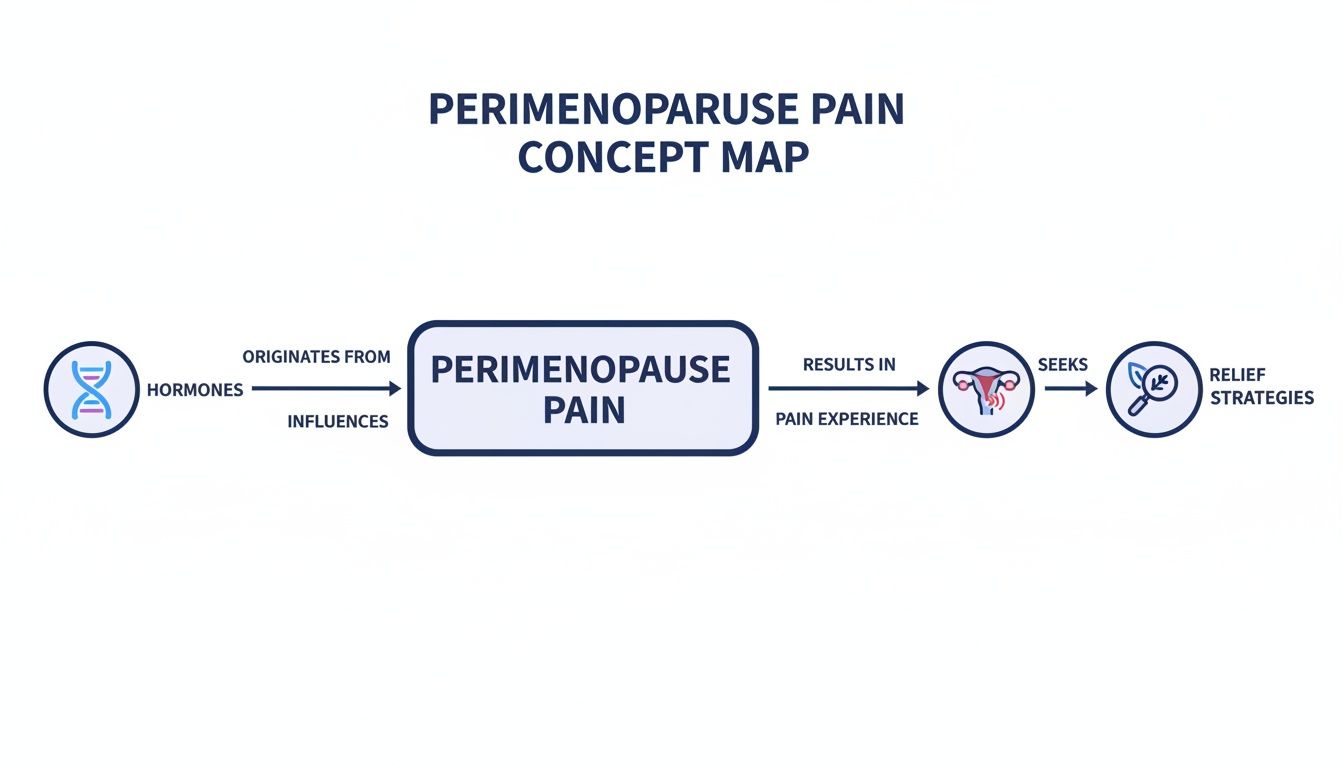
You can see how the hormonal flux is the root cause of the problem, which is why finding effective relief means addressing that imbalance.
Unmasking Underlying Conditions
The hormonal shifts of perimenopause don't just cause new symptoms—they can also act like a spotlight, suddenly revealing or aggravating underlying conditions that may have been quietly lurking for years.
Many of these conditions are sensitive to estrogen, so the high-estrogen environment of perimenopause makes them flare up. Two of the most common culprits are:
Fibroids: These are noncancerous growths in the uterus that thrive on estrogen. The hormonal surges can cause them to grow, leading to heavier periods, pelvic pressure, and pain.
Adenomyosis: This is a condition where endometrial tissue grows into the muscular wall of the uterus. This misplaced tissue still responds to your monthly cycle, becoming inflamed and causing severe cramping, a feeling of uterine heaviness, and prolonged bleeding.
It's one of the cruel ironies of this life stage. Just when you're looking forward to your periods ending, they can become more agonizing than they were in your teens.
This isn't just anecdotal. While 71% of women associate perimenopause with hot flashes, a global study of over 12,681 women found the most common complaints were actually fatigue (83%), exhaustion (83%), and irritability (80%)—all of which are made worse by painful, heavy periods.
Understanding what’s happening in your body is the first step toward finding relief. For some, stabilizing these hormonal fluctuations with medical support can be a game-changer. Learning more about options like Hormone Therapy can help you understand the treatments available to restore balance and ease severe symptoms, allowing you to get back in control.
Knowing When Perimenopausal Period Pain Needs a Doctor
Trying to figure out what's "normal" for painful periods during perimenopause can be confusing. Is this intense cramping just part of the process, or is it a sign of something more?
While hormonal swings are notorious for ramping up period pain, it's so important to learn how to tell the difference between typical perimenopausal discomfort and symptoms that really do need a doctor's attention.
Perimenopause Changes vs. Medical Red Flags
Many women find their period pain shifts to a new, more intense baseline during this transition. You might notice worse cramping, new lower back pain that comes and goes with your cycle, or periods that are suddenly less predictable. These are often the frustrating, but standard, signs of perimenopause.
But your body is also great at sending up a flare when something more serious is going on. Here’s a quick way to help distinguish between what’s likely a normal part of the hormonal rollercoaster and what should prompt a call to your doctor.
Symptom Category | Common Perimenopausal Change | Potential Red Flag (Consult a Doctor) |
|---|---|---|
Bleeding Flow | Your period feels heavier than it used to, but it's still manageable. | Soaking a pad/tampon every hour for hours; bleeding for more than 7 days. |
Blood Clots | Passing small, occasional clots, especially on your heaviest days. | Regularly passing clots larger than a quarter. |
Pain Intensity | Cramps are stronger but respond to over-the-counter pain medication. | Pain is so severe it disrupts your daily life (missing work, canceling plans). |
Symptom Timing | Pelvic pain or aching is mostly tied to your menstrual cycle. | Persistent pelvic pain or pressure outside of your period; bleeding after sex. |
Anemia Symptoms | Feeling a bit more tired than usual around your period. | Extreme fatigue, dizziness, or shortness of breath alongside heavy bleeding. |
Ultimately, you know your body best. If a symptom feels wrong or is causing you significant distress, it's always worth getting it checked out.
When Bleeding and Clots Are a Big Deal
One of the most obvious warning signs is a major shift in your menstrual flow. Yes, heavier periods are common, but bleeding that becomes unmanageable is not.
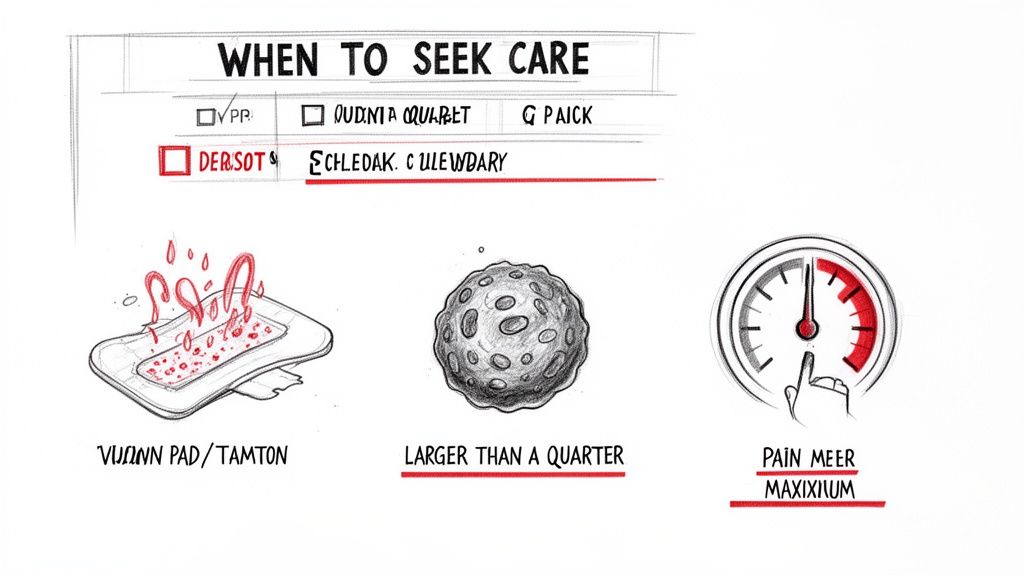
Keep an eye out for these specific red flags:
Soaking Through Protection: If you're soaking through a pad or tampon every hour for several hours straight, that’s a sign of menorrhagia, or abnormally heavy bleeding.
Passing Large Clots: Regularly passing blood clots bigger than a quarter is another signal that your flow is excessive.
Bleeding That Won’t Quit: A period that consistently lasts for more than seven days is another reason to book a doctor's appointment.
These symptoms aren't just an inconvenience—they can point to real health issues.
Pay close attention to how you feel overall. Extreme fatigue, dizziness, or pale skin alongside that heavy bleeding could mean you're developing iron-deficiency anemia. This happens when you’re losing blood faster than your body can replace it, and it definitely requires medical care.
When Pain Disrupts Your Life
Pain is subjective. But its impact on your life isn't. While some cramping is part of the deal, pain that forces you to cancel plans, call in sick to work, or stay in bed all day is a clear sign that you need support.
Here’s a simple rule of thumb: if your period pain is consistently keeping you from living your life, it’s time to see a doctor. This kind of debilitating pain is often linked to underlying conditions like fibroids or adenomyosis, which the hormonal chaos of perimenopause can make much worse. Don't just write it off as "bad cramps."
A doctor can help you get to the bottom of what’s causing your symptoms. To help you feel more prepared for that visit, check out our guide to every test for menopause in 2026.
Finally, any new or strange symptoms should be discussed with your provider. This includes things like bleeding after sex, pelvic pain or pressure that sticks around even when you don't have your period, or any spotting at all after you’ve officially hit menopause (12 months without a cycle). Being your own best health advocate starts with knowing when it’s time to ask for help.
How Doctors Diagnose and Treat Severe Period Pain
▶ PlayIf severe cramps and heavy bleeding are completely derailing your life, it’s time to see a doctor. I know talking about painful periods can feel awkward or even dismissive, but a good doctor will take you seriously. They'll work with you to investigate the cause and find a way to get you relief.
The best thing you can do is walk into your appointment prepared. Instead of just saying, "My periods are awful," you can show them exactly how awful. When you track your symptoms with an app like Lila, you’re gathering concrete data. This turns a vague complaint into objective evidence your doctor can actually work with, showing them clear patterns in your pain levels, flow, and cycle length.
What to Expect During Diagnosis
To figure out what’s causing your pain, your healthcare provider will start a fact-finding mission. Think of it as putting puzzle pieces together to see the whole picture of what’s happening inside your body.
This process usually starts with:
A Pelvic Exam: This lets your doctor physically check your uterus and ovaries for any obvious issues. They’ll be looking for things like tenderness that could point to adenomyosis or feeling for the distinct shape of fibroids.
Blood Tests: A complete blood count (CBC) is a must. It checks for iron-deficiency anemia, which is incredibly common when you’re dealing with heavy perimenopausal bleeding. They might also check hormone levels, like your follicle-stimulating hormone (FSH), to help confirm you’re in the perimenopause transition.
An Ultrasound: This is a simple imaging test that uses sound waves to create a picture of your pelvic organs. It’s a fantastic tool for spotting structural problems like fibroids, polyps, or an overly thick uterine lining.
These initial steps help your doctor either rule out or confirm if an underlying condition is making your periods so painful.
Medical Treatments to Regulate Your Cycle
Once your doctor has a better idea of the cause, they can start recommending treatments. The main goal is usually to get the hormonal chaos of perimenopause under control, which is often the primary driver of pain and heavy bleeding.
For many women, the first step isn't even hormonal. Nonsteroidal anti-inflammatory drugs (NSAIDs), like ibuprofen or naproxen, can work wonders. They don’t just mask the pain; they block the production of prostaglandins—the inflammatory compounds responsible for those intense, painful uterine contractions.
If NSAIDs aren’t cutting it, hormonal treatments are typically the next move. These work by stepping in to stabilize your fluctuating hormones, leading to a much more predictable and manageable cycle.
Hormonal solutions are designed to quiet the hormonal noise of perimenopause. They can prevent the extreme estrogen spikes that lead to a thick uterine lining and subsequent heavy, painful bleeding.
A few common hormonal treatments include:
Low-Dose Birth Control Pills: By providing a steady, low dose of hormones, these pills override your body's own erratic signals. The result is often much lighter, less painful periods.
Hormonal IUDs (like Mirena): An IUD is placed in the uterus and releases a tiny amount of progestin directly where it's needed. This thins the uterine lining, which dramatically reduces both bleeding and cramping for up to several years. To dive deeper into these options, check out our guide on hormone therapy for menopause.
When the pain is caused by something specific like large fibroids, your doctor might discuss more targeted procedures. Options such as a myomectomy (the surgical removal of fibroids) or endometrial ablation (a procedure that removes the uterine lining) can offer permanent relief when other methods haven’t worked. Your doctor will walk you through the pros and cons of each to help you decide on the best path forward for your body.
Lifestyle Strategies to Ease Perimenopausal Pain
While medical treatments are a lifeline for many, don't underestimate the power you have in your own hands. The daily choices you make around food, movement, and rest can profoundly influence how you experience painful periods during perimenopause.
Think of it less like a chore and more like building a stronger internal support system. By fine-tuning your habits, you can directly tackle things like inflammation and hormonal swings, giving you back a much-needed sense of control over your body.
Fuel Your Body to Fight Inflammation
What you eat can either fan the flames of inflammation or help put them out. Since the prostaglandin compounds that cause cramps are inflammatory by nature, calming your body's overall inflammatory response can lead to noticeably less pain each month.
Try bringing more of these inflammation-fighters into your diet:
Omega-3 Fatty Acids: Found in fatty fish like salmon, plus walnuts and flaxseeds. These healthy fats are well-known for their anti-inflammatory effects that can directly dial down the intensity of cramps.
Magnesium-Rich Foods: This mineral is a true game-changer for muscle relaxation. It helps ease the uterine contractions that cause so much pain. You can find it in leafy greens like spinach, as well as almonds and avocados.
Fiber: A diet packed with fruits, vegetables, and whole grains is key. Fiber helps your body efficiently clear out excess estrogen, which is a big step toward a healthier, more stable hormonal environment.
What you don't eat is just as crucial. Foods high in sugar, an overload of caffeine, and highly processed meals can all trigger inflammation. Try cutting back, and you might be surprised by the difference it makes in your pain levels and even related issues like bloating. If digestive troubles are a constant companion, we have more tips in our guide to calming perimenopause stomach problems.
Move Your Body Mindfully
When you’re curled up in pain, lacing up your sneakers is probably the last thing you want to do. But gentle, mindful movement can be one of your best allies. The key is to choose activities that soothe your body, not strain it.
Gentle yoga, stretching, or even a slow walk can boost blood flow to your pelvic area, helping to relieve cramp pressure. These activities also trigger the release of endorphins—your body’s own natural painkillers—which can lift your mood and change how you perceive pain.
Listen to what your body is telling you. On your most painful days, high-intensity workouts are probably off the table. Pushing too hard can backfire by increasing physical stress and making inflammation worse.
Master Your Stress and Prioritize Sleep
There’s a direct, undeniable link between stress and perimenopause pain. When you’re stressed, your body pumps out cortisol, a hormone that throws your estrogen and progesterone out of whack. That hormonal chaos often translates directly into more painful, unpredictable periods.
Finding effective strategies for understanding and managing stress is especially important now, as emotional sensitivity can be heightened. You don't need a complicated plan; simple daily practices like meditation, deep breathing, or just spending a few minutes outside can lower cortisol and help your hormones find their footing.
And please, make sleep a non-negotiable priority. A bad night's sleep sends cortisol soaring and disrupts your hormones, locking you into a vicious cycle of pain and exhaustion. Sticking to a consistent sleep schedule and creating a relaxing bedtime routine will do wonders.
The struggle is real, and it has consequences that ripple outward. A recent study found that women aged 41 and over with severe menstrual pain were much more likely to be unemployed. This sobering statistic shows how these symptoms can become a genuine barrier in the workforce, underscoring just how critical it is to find strategies that work. You can read more about how menstrual pain impacts women's workforce participation to see the bigger picture.
Finally, a quick word on supplements. Both magnesium (look for glycinate or citrate forms) and ginger have solid evidence behind them for reducing menstrual pain. Just be sure to chat with your doctor before starting anything new to make sure it's a safe choice for you.
Taking Control with a Personalized Action Plan
General advice is a great starting point, but when it comes to navigating painful periods during perimenopause, the real key is getting to know your own body. This is about making a shift—from just putting up with symptoms month after month to actively figuring out what’s driving them.
So, where do you begin? It all starts with a little detective work. When you start tracking your symptoms, you’re turning a vague complaint like "my cramps are awful this month" into specific, useful information. You’re essentially creating a personal health dashboard that starts to reveal the hidden connections between your daily life and your monthly pain.
Turning Vague Feelings Into Clear Data
Think of yourself as a detective gathering clues about your own body. An app like Lila can be your notebook, helping you keep all your clues in one place. Each day, you can log a few key details:
Pain Levels: How intense are your cramps today? A simple rating scale works wonders.
Flow Intensity: Is your flow light, medium, or heavy?
Mood and Energy: Jot down how you're feeling, both emotionally and physically.
Meals and Hydration: What did you eat and drink?
This quick daily check-in might only take a minute, but over time, it builds an incredibly powerful picture. You're no longer guessing; you're gathering real evidence.
Uncovering Your Personal Triggers
Once you have a few weeks of data, you'll start to see patterns you might have never noticed before. This is where you connect the dots. You might realize, for instance, that your most painful days almost always come after a couple of days of poor sleep or indulging in sugary foods.
Here’s a glimpse of what those personalized insights could look like inside an app like Lila.
This kind of data-driven approach shows you direct links, like how certain foods or a stressful week might be making your symptoms worse. These insights aren't just interesting—they're actionable. They equip you to have much more productive conversations with your doctor, armed with specific timelines and examples instead of just a general feeling that things are "off."
Instead of feeling lost in a sea of symptoms, you suddenly have a map. This data illuminates your personal triggers, showing you exactly where to focus your efforts for the biggest impact on your well-being.
This information is also what helps tools like Lila’s AI coach analyze your unique patterns to create a truly personal action plan. If the app notices your pain consistently flares up after you eat dairy, its coach might suggest a few simple, easy-to-try dietary swaps. The goal is to help you build sustainable habits that directly target what’s causing your pain.
With this kind of tailored guidance, you start to feel supported and back in the driver's seat. You’re not just throwing random solutions at the problem anymore. You're following a clear, evidence-based plan designed specifically for you, moving you beyond just managing symptoms and toward proactively improving your health for good.
Common Questions About Perimenopause and Period Pain
As you navigate the twists and turns of perimenopause, it's completely normal to have questions. Let's walk through some of the most common concerns I hear about painful periods during this transition, so you can feel more informed and in control.
Can Stress Really Make My Perimenopause Periods More Painful?
Without a doubt. Think of your hormones—estrogen and progesterone—as being on a delicate seesaw. Chronic stress throws that seesaw off balance by raising your body's cortisol levels, which often leads to a thicker uterine lining, heavier bleeding, and much stronger uterine contractions. The result is more intense period pain.
This is why incorporating stress-management practices into your daily life is so powerful. Even simple things like a daily meditation, some gentle yoga, or a few minutes of deep breathing can have a direct, positive effect on regulating your hormones and easing your cycle.
Is It Normal for My Cycle to Become So Irregular?
Yes, irregular cycles are one of the classic signs of perimenopause. As your ovaries begin to wind down hormone production, things can get a bit chaotic. You might find your cycles are suddenly much shorter or longer than they used to be, or you might even skip periods for a few months.
This combination of unpredictable timing and more painful periods is incredibly common during perimenopause. Tracking these changes is key, as it gives you a clear record to share with your doctor, helping them understand exactly what your body is going through.
Will My Painful Periods Ever Stop Once I Reach Menopause?
Yes, there is absolutely a light at the end of the tunnel. Menopause is officially marked by 12 consecutive months without a period. Once you hit that milestone, your ovaries have stopped releasing eggs, and your uterine lining no longer builds up and sheds.
This means that the monthly bleeding—and the painful cramping that comes with it—will stop for good. While the journey through perimenopause can feel overwhelming at times, remember that it's a temporary phase. The intense period pain you're experiencing now is not your new reality forever, and knowing that can bring a lot of comfort.
If you’re ready to move from just surviving your symptoms to actively managing them, Lila can help. Our app provides a personalized action plan to help you feel like yourself again. Take the next step in your perimenopause journey by visiting https://getlila.com to learn more.
Get Lila, your personal coach for perimenopause.
Built for women in their 40s. 24/7 coaching, in your pocket.