Managing Mood Changes During Menopause in 2026
Understand the evidence-based reasons for mood changes during menopause and discover practical strategies to feel like yourself again.
 Michelle
One day you're handling work, dinner, texts, and errands like usual. The next day, a small comment from your partner makes you snap, or an ad on TV makes you cry, and you don't quite recognize your own reaction. Then comes the second layer of distress: not just feeling off, but wondering why you feel off.
That confusion is one of the hardest parts of mood changes during menopause. The feelings can seem to come out of nowhere. They may not match your cycle the way PMS once did. You may feel irritable, flat, anxious, fragile, or emotionally flooded, sometimes all in the same week.
If this is happening to you, you're not weak, dramatic, or “just stressed.” These changes are real. They happen in the body, the brain, and daily life at the same time. The good news is that once you understand the pattern, you can stop blaming yourself and start responding with more skill and more self-compassion.
Feeling Like a Stranger to Yourself?
You wake up already tired. Someone asks a normal question, and it feels like a demand. By midafternoon, your focus has vanished, your patience is thin, and a problem you would've shrugged off a year ago suddenly feels enormous. Later that night, you replay the day and think, “What is wrong with me?”
A lot of women in their 40s and 50s live some version of that story.
Sometimes the change looks like anger. Sometimes it looks like tears, dread, or a strange emotional numbness. Sometimes it feels less like “moodiness” and more like your inner thermostat for stress has broken. Things that used to roll past you now hit like a wave.
That can feel lonely, especially if the people around you notice only the reaction, not the buildup. You may start hiding how bad it feels because you're worried you'll sound irrational. Or you may minimize it yourself and tell yourself to push through.
Mood symptoms in midlife are easy to dismiss because they don't always arrive neatly. They can look like irritability, overwhelm, low motivation, poor concentration, or a shorter fuse, not just sadness.
There's another reason this stage is confusing. Menopausal mood changes rarely happen in isolation. They often show up beside poor sleep, hot flashes, cycle changes, brain fog, and the ordinary pressures of work, caregiving, relationships, and aging parents. That mix can make it hard to tell what's hormonal, what's situational, and what needs medical attention.
You don't need to solve that all in your head. You need a clearer map.
The Hormonal Rollercoaster and Your Brain
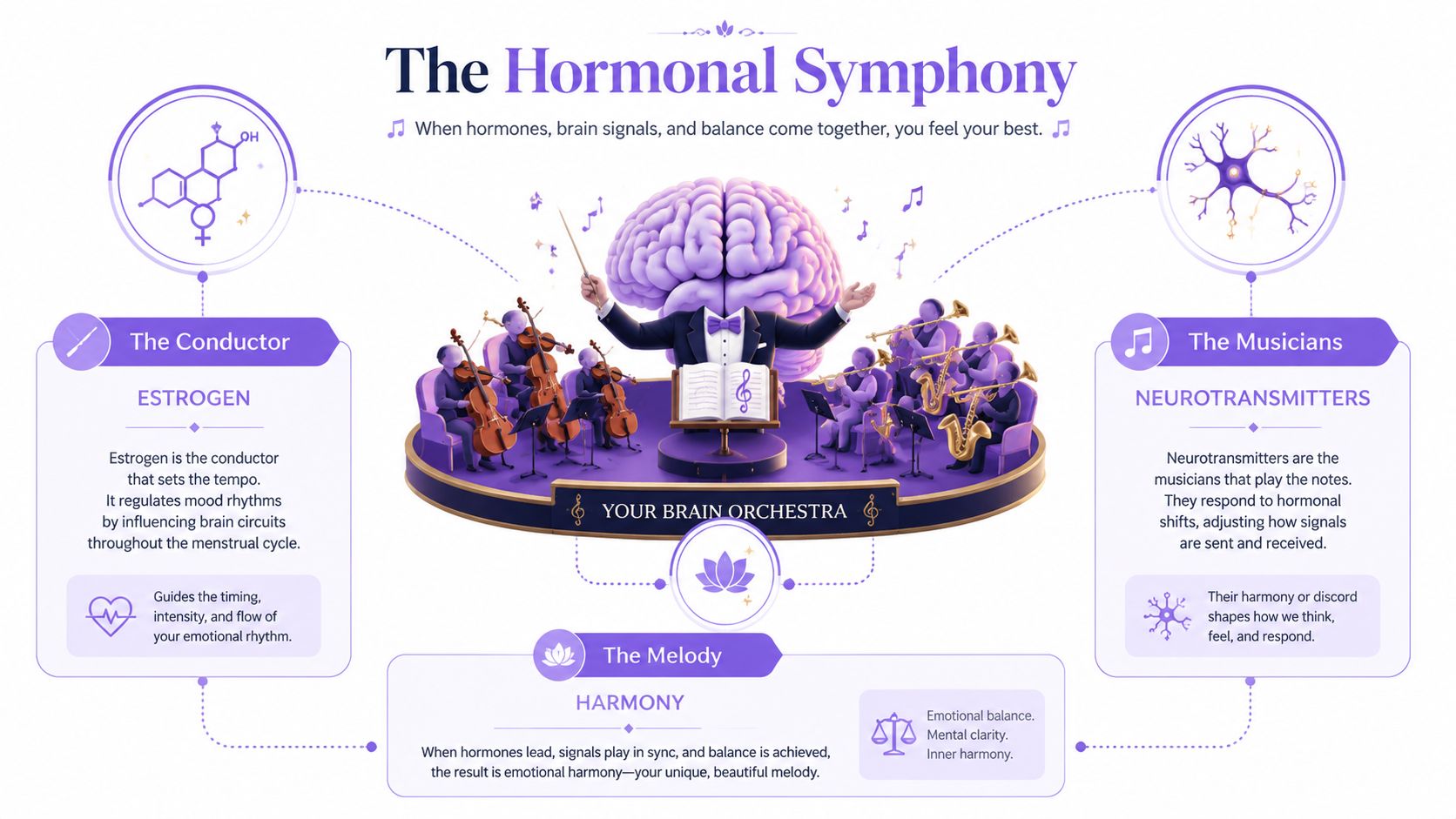
Your brain works a bit like an orchestra. Many players contribute to how you feel, think, cope, and recover. Hormones don't make every sound, but they help keep the rhythm. During perimenopause, that rhythm gets less predictable.
Estrogen helps keep the music coordinated
One of the biggest players is estradiol, a form of estrogen. It doesn't just affect periods and hot flashes. It also helps regulate brain systems involved in mood. The SWAN study found that erratic estradiol fluctuations are a primary driver of mood issues, with serum estradiol variability linked to odds ratios of 1.8 to 2.0 for depressive symptoms compared with premenopause in this SWAN analysis.
In plain language, think of estrogen as a conductor helping the violins, drums, and woodwinds stay in time. When estrogen is steady, the performance tends to feel smoother. When it surges, drops, and rebounds, the brain has to keep recalibrating.
That matters because estradiol helps modulate serotonin and norepinephrine, two key chemical messengers involved in mood, focus, and resilience. If you've been wondering why you can feel steady one week and brittle the next, this is part of the reason.
If you want a practical overview of symptoms tied to estrogen changes, this guide on signs of low estrogen helps connect mood changes with the wider physical picture.
Progesterone affects calm and sleep
Progesterone also matters. Many women notice they feel more on edge, wired, or restless during the transition. That's not surprising. As progesterone shifts and often declines, its calming influence can feel less reliable.
A simple analogy helps here. If estrogen is helping conduct the orchestra, progesterone is part of the soundproofing in the concert hall. When that soundproofing gets thinner, everything feels louder. Stress feels sharper. Sleep becomes lighter. The brain has less cushion.
That sleep piece is huge. A rough night often makes the next day feel emotionally louder. A small frustration can feel personal. Your threshold drops.
Symptoms often stack on each other
Mood changes during menopause usually aren't caused by one single thing. Hormone shifts can affect brain chemistry directly, but they can also work indirectly through sleep disruption, hot flashes, and stress sensitivity.
That is why treatment often works best when it isn't framed as one magic fix. Some women feel better with sleep support. Some need therapy tools. Some need hormone treatment or antidepressants. If you're trying to understand those options, the XO Medical guide to hormone therapy gives a useful plain-language explanation of how hormone treatment is approached.
Here's the key idea: your reactions aren't random. They're signals from a system trying to adapt to changing input.
Recognizing Your Personal Mood Patterns
Menopausal mood changes don't always look the way people expect. Many women assume they should watch for sadness, but the first sign is often irritability, anxiety, or feeling emotionally thin. Others notice they have less frustration tolerance, less motivation, or more “why does everything feel so hard?” days.
That unpredictability is part of what makes this different from classic PMS. PMS often follows a more familiar monthly rhythm. During perimenopause, moods can feel less tied to a neat schedule. You may have stretches of calm followed by a week where your emotional weather changes fast.
What these changes can feel like
Some common patterns include:
Irritability that arrives fast: You go from fine to furious over noise, mess, delays, or interruptions.
Anxiety without a clear cause: Your body feels revved up even when your mind can't identify a single threat.
Low mood or emotional heaviness: Things feel gray, effortful, or joyless.
Brain fog with emotional spillover: Forgetfulness and poor concentration can create embarrassment, then frustration.
Fragility: A normal disappointment lands with unusual force.
None of those mean you're failing. They describe a nervous system under strain.
When mood changes cross into depression risk
It's important to know that this transition can also raise the risk of clinical depression. The SWAN study found that women are two to four times more likely to experience a major depressive episode during perimenopause, and the risk of high depressive symptoms is 20% to 62% higher in early perimenopause than in premenopause in this SWAN report.
That doesn't mean every bad week is depression. It does mean you shouldn't brush off persistent symptoms just because you're in midlife.
A useful question is not “Am I overreacting?” It's “How much is this affecting my life?”
Practical rule: If your mood changes are disrupting your work, relationships, sleep, or ability to function, they're worth taking seriously even if you're still getting through the day.
A hard week or a clinical problem
This quick comparison can help:
Experience | More likely a passing rough patch | More likely you need clinical support |
|---|---|---|
Timing | Comes and goes | Feels persistent or keeps returning |
Intensity | Upsetting but manageable | Hard to control or feels overwhelming |
Function | You can still recover with rest | Daily tasks, relationships, or work are suffering |
Self-talk | “I'm not myself lately” | Hopelessness, worthlessness, or persistent dread |
If your symptoms are leaning toward the second column, speak with a clinician. If panic is part of the picture, this article on panic attacks in perimenopause may help you sort out what you're experiencing.
For broader coping ideas around emotional volatility, this piece on finding relief from emotional instability offers a useful mental health lens.
Your Toolkit for Building Emotional Resilience
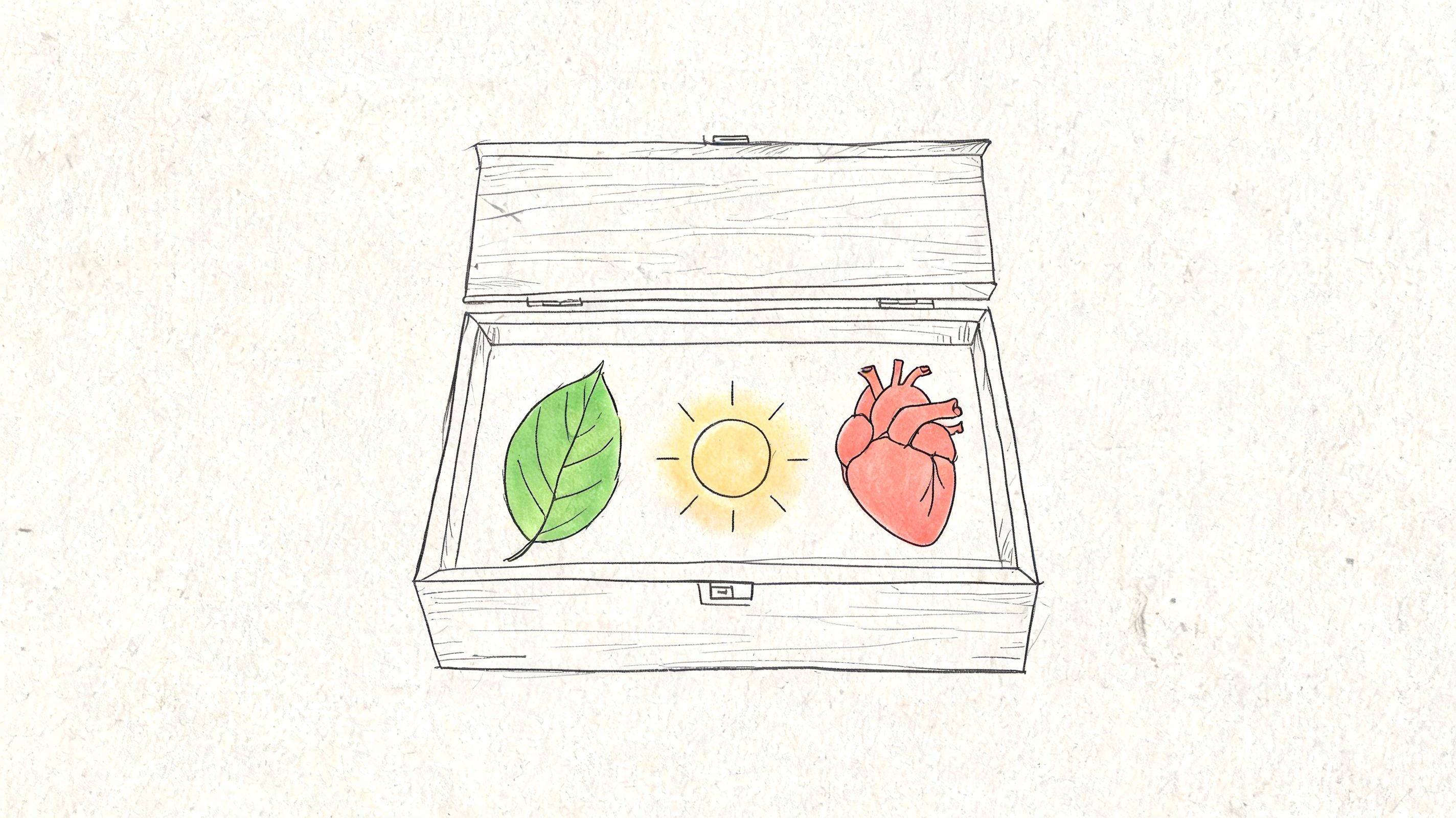
You don't have to wait until things get unbearable to act. Daily habits can reduce the force of mood swings, even if they don't remove every symptom. That's important because emerging research noted that daily 10-minute mindfulness practices could reduce anxiety by 40% in perimenopausal women, suggesting that early lifestyle support can help before or alongside medical treatment, as described in this mindfulness and menopause overview.
Start with blood sugar steadiness
If your meals are irregular, very sugary, or mostly quick carbs, your body may swing between brief energy spikes and crashes. Those crashes can feel like irritability, shakiness, sudden fatigue, or emotional overwhelm.
A steadier meal pattern can help. Try building meals around a simple anchor: protein + fiber + color.
Examples:
Breakfast: Greek yogurt with berries and seeds, or eggs with wholegrain toast and fruit
Lunch: Beans or chicken with vegetables and a grain
Snack: Apple with nut butter, or hummus with carrots
Dinner: Salmon, lentils, or tofu with greens and a starch you digest well
You don't need a perfect diet. You need fewer dramatic swings.
Use movement to discharge stress
Exercise doesn't have to mean punishing workouts. For mood, consistency matters more than intensity. A brisk walk, strength session, bike ride, dance class, or short mobility routine can all help regulate stress and improve emotional recovery.
If you're exhausted, shrink the goal. Ten minutes still counts. A lap around the block still counts. Momentum is often more useful than ambition.
When your nervous system is overloaded, movement works like opening a pressure valve. It gives stress somewhere to go.
Protect sleep like it's treatment
Poor sleep makes everything harder. It lowers patience, weakens focus, and makes emotional reactions more intense. If night sweats, waking, or racing thoughts are part of your picture, don't treat sleep as a luxury.
Try this small reset:
Keep wake time steady even after a bad night.
Dim lights earlier so your brain gets a clearer signal that the day is ending.
Limit late alcohol and heavy meals if they seem to worsen sleep or night waking.
Create a cool bedroom setup if you deal with overheating.
Move your worries onto paper before bed instead of carrying them into the dark.
Train your mind gently
Mind-body tools work best when they're simple enough to use on a real day, not an ideal day.
A few options:
Box breathing: Inhale, hold, exhale, hold in a steady rhythm for a few rounds.
Name what you're feeling: “I'm overloaded.” “I'm anxious.” “I'm raw.” Naming can reduce the sense of chaos.
Short mindfulness practice: Sit for 10 minutes and bring attention back to the breath, sounds, or body sensations each time the mind wanders.
Thought check: Ask, “What happened, what am I telling myself about it, and is there another explanation?”
If you want professional support and need care that fits an international or multilingual life, multilingual therapy for expats may be a practical option to explore.
Build a plan you can actually follow
The best self-care plan is one you'll repeat when you're tired, busy, or discouraged. Choose one action from each area. One meal upgrade. One sleep change. One movement habit. One calming tool.
That is enough to begin.
When and How to Seek Professional Support
Many women wait too long to ask for help because they assume they should be able to handle this on their own. But there is a big difference between coping and white-knuckling. If you're spending most of your energy just trying not to unravel, that's a signal.
Professional support matters because mood symptoms in menopause can overlap with other issues. Thyroid problems, medication effects, chronic stress, and other health conditions can all mimic or worsen what looks hormonal. A clinician can help sort that out.

Signs it's time to book an appointment
Consider making an appointment if:
Your mood is affecting daily life: Work, relationships, or routine tasks feel much harder than usual.
You feel persistently low or anxious: The feelings aren't lifting, or they keep cycling back.
Sleep problems are wearing you down: You can't recover because nights are too broken.
You don't feel like yourself for a prolonged stretch: Not just stressed, but altered.
You're having hopeless or frightening thoughts: This needs prompt medical attention.
If you're ever in immediate danger or thinking about harming yourself, seek urgent emergency support right away.
Bring useful information with you
Appointments go better when you bring specifics. Instead of saying “I feel off,” try bringing notes on:
Mood changes: irritability, anxiety, sadness, rage, numbness
Timing: when symptoms appear, how long they last, whether they cluster with sleep disruption or hot flashes
Cycle changes: if you're still having periods, note irregularity
Physical symptoms: night sweats, hot flashes, fatigue, palpitations, brain fog
What you've already tried: therapy, mindfulness, sleep changes, supplements, exercise, medication history
A short symptom log is often more persuasive than trying to remember everything in the room.
Ask direct questions
You don't need to be polite to the point of vagueness. Clear questions often get clearer care.
Try asking:
Could this be related to perimenopause or menopause?
Do I need evaluation for other causes, such as thyroid issues?
Would hormone therapy be appropriate in my case?
Would an antidepressant or therapy referral help if mood is the main issue?
How will we know whether the treatment is working?
One-size-fits-all advice can miss important differences. ACOG notes that menopause experiences can vary significantly across ethnic groups, with SWAN showing that Black women may experience higher depressive symptoms linked to more severe vasomotor symptoms, while Latina women have a higher risk for new-onset major depressive disorder, which is why personalized care matters, as described in ACOG's discussion of mood changes during perimenopause.
That personalization isn't just a nice extra. It's part of good care.
The Power of Tracking Your Path to Feeling Better
General advice helps. Personal patterns help more.
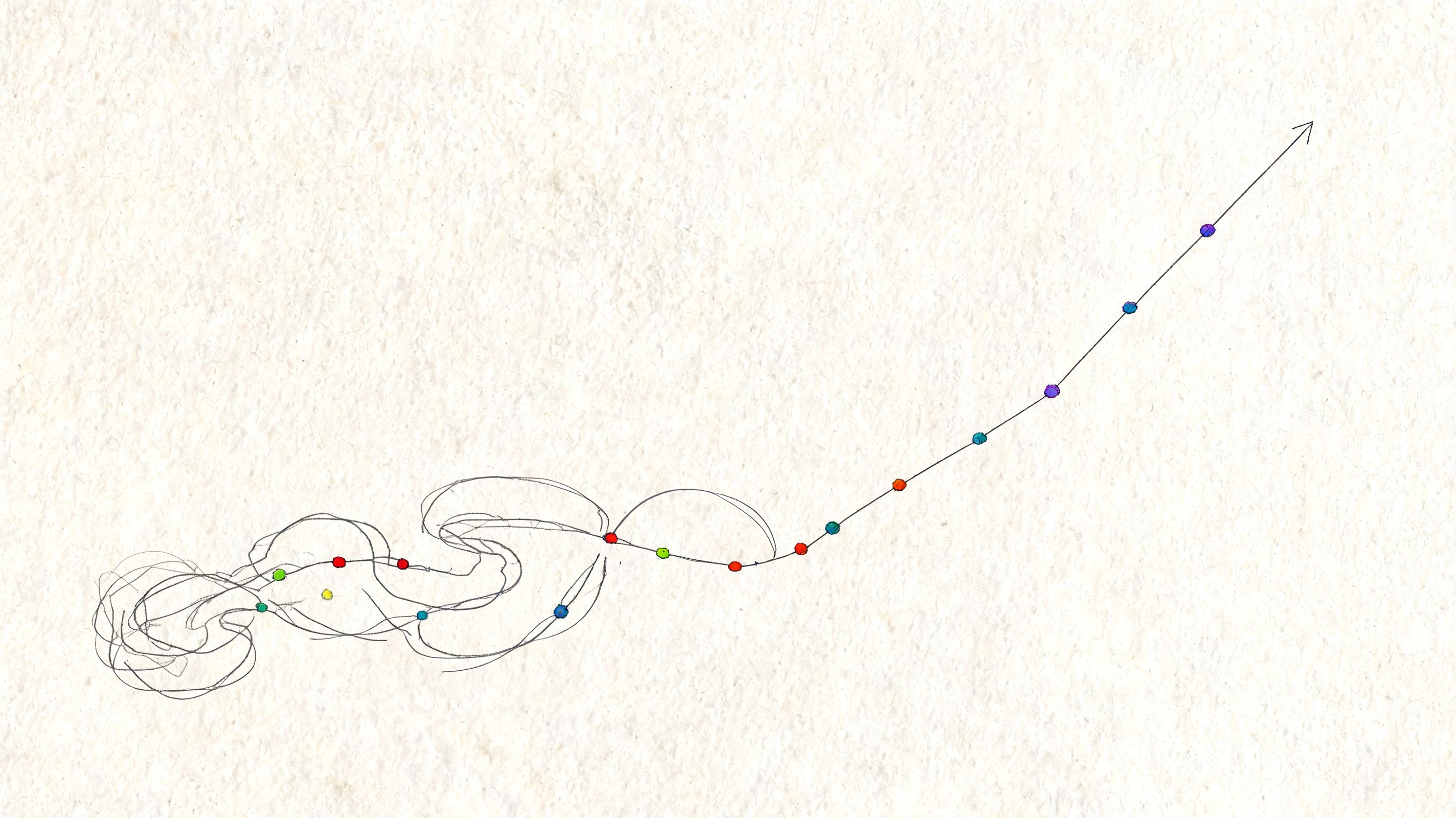
A lot of women hear “sleep better,” “reduce stress,” or “watch your symptoms” and feel vaguely guilty because the advice is so broad. Tracking changes that. It turns abstract wellness talk into evidence from your own life.
What tracking can show you
Harvard Health reports that up to 70% of women face mood swings and 38% of women in late perimenopause report depressive symptoms, which is one reason symptom tracking can be so useful for spotting triggers and responses in real time, as noted in Harvard Health's overview of menopause and mental health.
The value isn't in collecting endless data. The value is in finding relationships such as:
Sleep and mood: After a poor night, you may be far more irritable the next day.
Meals and steadiness: Skipping lunch may line up with a late-day crash and a shorter fuse.
Hot flashes and anxiety: A rough night of vasomotor symptoms may precede next-day emotional fragility.
Patterns over time: Some weeks may consistently feel harder than others.
Tracking gives you language
When you can say, “My anxiety spikes after several broken nights,” or “I get weepy on days with intense hot flashes,” you're no longer showing up to life with a vague sense of chaos. You're bringing clues.
That can help with your own choices and with medical appointments. It helps you test changes too. Did a bedtime routine help? Did a protein-rich breakfast reduce the afternoon crash? Did therapy, medication, or hormone treatment shift the pattern?
One practical way to do this is with a simple daily note or a dedicated tool. If you want a structured option, this guide to a menopause symptom tracker app explains what to log and why it matters. Lila is one example of a tool built for this kind of daily check-in, including tracking mood, sleep, meals, cycles, and symptoms in one place.
Tracking isn't about becoming obsessed with symptoms. It's about becoming easier to help, including by yourself.
Mood changes during menopause can feel chaotic from the inside. Patterns make them less mysterious. And once something is less mysterious, it becomes more manageable.
If you're tired of guessing why you feel off, Lila can help you turn daily symptoms into patterns you can use. Its quick check-ins bring mood, sleep, meals, energy, cycles, and other menopause symptoms into one place, so you can see what affects you personally and build a clearer plan for feeling more like yourself again.
Get Lila, your personal coach for perimenopause.
Built for women in their 40s. 24/7 coaching, in your pocket.