

Strength training gear for women over 40
Resistance training is the single highest-return intervention in perimenopause: it protects bone, preserves muscle, improves insulin sensitivity and helps sleep. Two sessions a week is enough to change the trajectory, and you do not need a gym membership to start.
Quick answer
Adjustable dumbbells beat a fixed set on both cost and floor space. Options below start around $45.99, sold directly by Shopify merchants.
Reviewed by Rebecca Rumsey, MSc, RD — Registered Dietitian, perimenopause nutrition lead at Lila
Last reviewed October 21, 2026
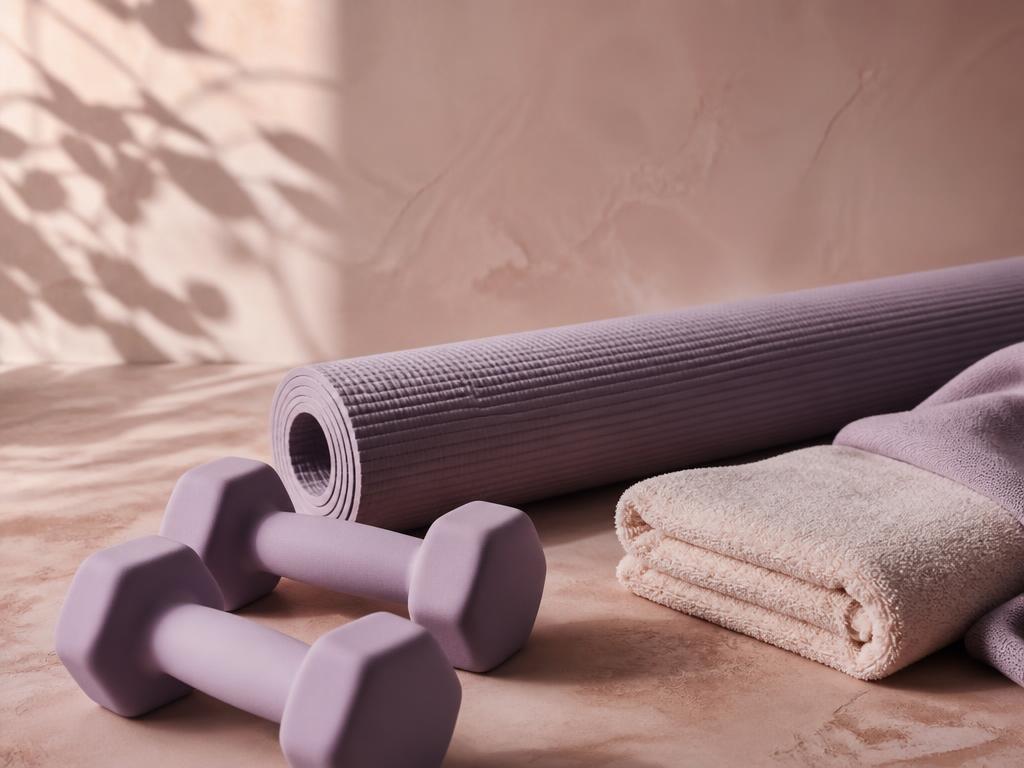
Fitness & strength products, live from Shopify


Agilithor 2-in-1 Adjustable Kettlebell & Dumbbell Set – Space-Saving Strength Training Equipment for Home Gym
Shopify merchant
$45.99View


FED Fitness Feierdun Series DS2 5 In 1 Adjustable Eco-Friendly Dumbbell Set
Shopify merchant
$129.99View


Prices and availability are fetched live from Shopify's Global Catalog and can change. Some links may earn Lila a commission at no cost to you.
What to look for
- Adjustable dumbbells beat a fixed set on both cost and floor space.
- Loop bands for glute and hip work, long bands for assisted pull and press movements.
- A mat and a bench or sturdy chair covers almost every beginner programme.
Progressive overload matters more than equipment. Adding a little weight or one more rep each week is the whole mechanism.
Fitness & strength FAQs
How often should I strength train in perimenopause?
Two to three sessions a week, full body, covering a push, a pull, a squat or hinge, and a carry. More is optional, less than two makes progress hard to sustain.
Is cardio still worth it?
Yes, for heart health and mood, but not as a replacement for lifting. Cardio alone will not preserve the lean mass that keeps your metabolic rate up.
How heavy should the weights be?
Heavy enough that the last two or three reps of a set of ten feel genuinely hard. Most women start too light and stay there.
Do I need more protein if I lift?
Yes, that is where the higher end of the 1.2 to 1.6g per kg range comes in. Lila tracks whether you are actually getting there.
See whether it is actually working
Lila links what you eat and take to how you feel, so you can tell the difference between a habit that helps and one that just costs money.