
Top 10 Foods for Menopause to Ease Symptoms in 2026
Discover the top evidence-based foods for menopause. This guide covers how phytoestrogens, omega-3s, and protein help ease hot flashes, mood, and sleep.
 Michelle
Menopause is a natural biological transition, but its symptoms, such as hot flashes, brain fog, weight gain, and disrupted sleep, can feel overwhelming. While hormonal changes are the root cause, what you eat plays a powerful role in managing their impact. This isn't about restrictive dieting; it's about strategic nourishment.
In this guide, we'll explore 10 specific foods and food groups scientifically shown to ease menopausal symptoms. We will break down exactly why they work, offering practical ways to incorporate them into your daily meals. For women looking to regain control, understanding these key foods for menopause is a critical step toward feeling more like yourself again. By identifying which foods bring you the most relief, you can turn daily choices into powerful actions for a smoother transition.
This article provides a symptom-focused roadmap to help you build a supportive diet. We will detail the specific nutrients in each food and how they help with issues like bone density, mood fluctuations, and heart health. You will find simple serving ideas, meal swaps, and actionable tips to make these changes feel effortless. Think of this as your practical toolkit for using nutrition to actively improve your well-being during perimenopause and beyond.
1. Phytoestrogen-Rich Foods (Soy, Flaxseeds, Legumes)
Phytoestrogens are remarkable plant-derived compounds that structurally mimic the body’s own estrogen. During perimenopause and menopause, natural estrogen levels decline erratically, triggering symptoms like hot flashes and night sweats. Incorporating certain foods for menopause, specifically those rich in phytoestrogens, can help provide a gentle balancing effect.
These compounds, primarily isoflavones (found in soy) and lignans (found in flaxseeds), bind to the body’s estrogen receptors. This action provides a mild estrogenic effect that can help soften the hormonal fluctuations responsible for many common menopausal discomforts. Studies, including those highlighted by the North American Menopause Society (NAMS), suggest a consistent intake can reduce the frequency and severity of hot flashes by up to 20-30% for some women.
How to Implement Phytoestrogens
Integrating these foods into your diet can be simple and delicious. The key is consistency rather than high-dose consumption.
Soy Sources: Swap meat for tofu or tempeh in a stir-fry, add edamame to salads, or use unsweetened soy milk in your morning coffee. Aim for 2-3 servings per week. A single cup of edamame, for instance, delivers a significant amount of isoflavones.
Flaxseeds: Add 2 tablespoons of ground flaxseeds to oatmeal, smoothies, or yogurt daily. Grinding is essential, as whole seeds pass through the digestive system intact, preventing nutrient absorption.
Legumes: Incorporate lentils, chickpeas, and other beans into your meals regularly. Think lentil soups, chickpea-based hummus, or a three-bean salad.
Key Insight: Start with small amounts and gradually increase your intake. This allows your digestive system to adjust, particularly to the high fiber content in legumes and flaxseeds.
Practical Tips for Success
To get the most out of these powerful foods, consider your personal response and preparation methods. Track your symptoms in an app like Lila after adding phytoestrogens to see how your body responds over a few weeks. Many women notice improvements in hot flashes and mood stability.
When choosing soy, opt for organic, non-GMO products like tofu, tempeh, and edamame over highly processed soy powders or bars. This ensures you are consuming the food in its most beneficial form. Combining these foods with sources of vitamin C, such as bell peppers or citrus fruits, can also support their absorption.
2. Omega-3 Fatty Acids (Fatty Fish, Walnuts, Chia Seeds)
Omega-3 fatty acids are essential polyunsaturated fats that the body cannot produce on its own. They play a critical role in reducing systemic inflammation, a key contributor to many menopause symptoms like joint pain, mood swings, and cognitive difficulties. Incorporating these specific foods for menopause is vital because omega-3s, particularly EPA and DHA found in fatty fish, support brain health, protect cardiovascular function as estrogen declines, and may help lessen the severity of depressive symptoms.
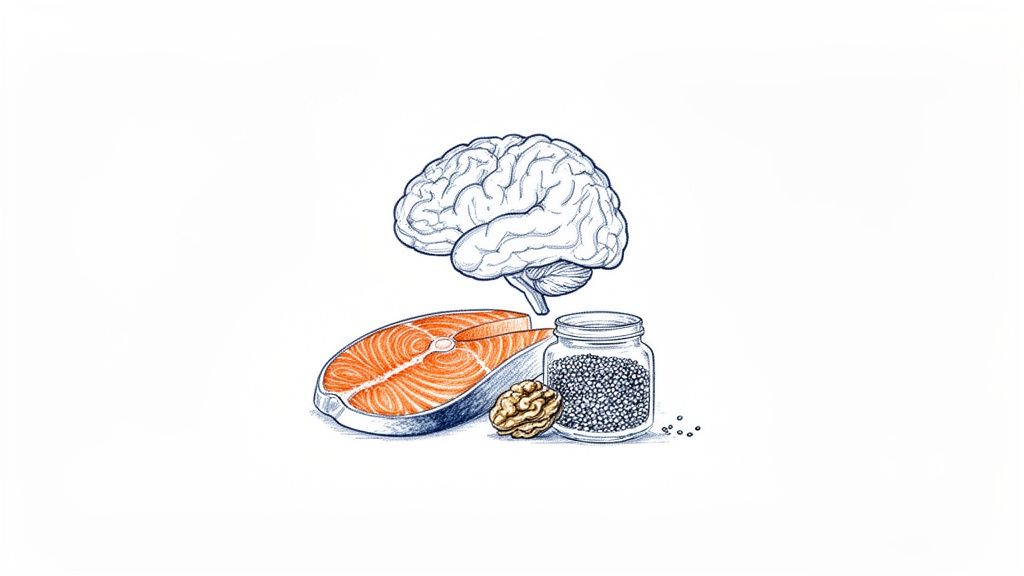
The American Heart Association recommends regular consumption of fatty fish for its heart-protective benefits, an important consideration during menopause when heart disease risk increases. These fats help maintain the flexibility of arteries and manage triglyceride levels. For brain health, omega-3s are fundamental components of cell membranes, supporting neurotransmitter function that can become disrupted during hormonal shifts, leading to brain fog and mood instability.
How to Implement Omega-3s
A consistent intake from varied sources ensures you get a full spectrum of these beneficial fats, including plant-based ALA and marine-based EPA and DHA.
Fatty Fish: Aim for two to three servings (totaling 8-12 ounces) weekly. A 3.5-ounce serving of salmon provides around 2,500mg of omega-3s. Canned sardines and mackerel are affordable, sustainable, and equally potent options.
Walnuts: A single ounce (about 14 halves) delivers a substantial 2.5 grams of the plant-based omega-3, ALA. Add them to salads, oatmeal, or enjoy them as a satisfying snack.
Seeds: Incorporate chia seeds and ground flaxseeds into your daily routine. Just one tablespoon of chia seeds contains 2.4 grams of ALA. Sprinkle them into yogurt, blend them into smoothies, or make a simple chia seed pudding.
Key Insight: While plant sources like walnuts and chia seeds are excellent, the body's conversion of their ALA to the more potent EPA and DHA is limited. Therefore, including fatty fish or an algae-based supplement is crucial for maximum benefit.
Practical Tips for Success
To effectively add more omega-3s to your diet, focus on simple swaps and mindful additions. You can track your mood, joint comfort, and mental clarity in an app like Lila to see how your body responds to an increased intake over several weeks.
Choose wild-caught fish when possible, as it often has a more favorable omega-3 to omega-6 ratio than some farm-raised varieties. If you opt for an omega-3 supplement, take it with a meal containing some fat to improve absorption and minimize any potential gastrointestinal upset. Pairing these foods with sources of antioxidants, like berries or dark leafy greens, can further protect these delicate fats from oxidation and support overall cellular health.
3. Calcium and Vitamin D-Rich Foods (Dairy, Fortified Plant-Based, Leafy Greens)
The rapid decline in estrogen during menopause accelerates bone loss, a primary reason why the risk of osteoporosis can increase by 25-30%. Calcium and vitamin D are a powerhouse duo that works synergistically to protect bone mineral density. Including these key nutrients in your diet is one of the most effective strategies for long-term bone health and managing some metabolic changes associated with this transition.
Calcium is the main building block of your bones, while vitamin D is essential for your body to absorb that calcium effectively. Together, they not only support skeletal strength but also contribute to proper muscle function and even mood regulation, as vitamin D plays a role in neurotransmitter pathways. For women concerned about bone integrity and overall wellness, prioritizing these nutrients is a non-negotiable part of a successful menopause diet plan.
How to Implement Calcium and Vitamin D
A food-first approach is the most effective way to meet your daily needs, as nutrients are often better absorbed from whole foods. Aim for 1,000-1,200 mg of calcium and 600-800 IU of vitamin D from your diet daily.
Dairy Sources: A cup of Greek yogurt offers around 200mg of calcium, and many brands are fortified with vitamin D. Cottage cheese and milk are also excellent choices.
Fortified Options: Many plant-based milks (almond, soy, oat) are fortified to contain even more calcium than dairy milk, often around 300mg per cup. Fortified tofu is another great source.
Fish and Greens: Canned salmon with the bones is a standout, providing 213mg of calcium and 570 IU of vitamin D in a 3.5oz serving. Dark leafy greens like collard greens and kale also contribute significant calcium.
Key Insight: To optimize vitamin D levels, aim for 10-30 minutes of midday sun exposure three to four times a week, as your skin produces vitamin D from sunlight. This complements your dietary intake.
Practical Tips for Success
Consistency is vital for maintaining bone health. Tracking your intake in an app like Lila can reveal patterns and ensure you’re meeting your targets. It’s also important to be strategic about when and how you consume these nutrients.
For optimal absorption, consume calcium-rich foods with your meals rather than on an empty stomach. If you take iron supplements or eat an iron-rich meal, try to space out your calcium intake by at least two hours, as the two minerals can compete for absorption. Pairing calcium-rich foods with sources of vitamin C, like adding bell peppers to a kale salad, can also enhance uptake.
4. Magnesium-Rich Foods (Leafy Greens, Pumpkin Seeds, Dark Chocolate)
Magnesium is an essential mineral that plays a crucial role in over 300 biochemical reactions in the body, making it a powerhouse for managing menopausal symptoms. Hormonal shifts can cause magnesium levels to drop by 25-30%, contributing to issues like poor sleep, anxiety, muscle tension, and unstable blood sugar. Replenishing magnesium through specific foods for menopause can help regulate calming neurotransmitters like GABA and serotonin, promoting relaxation and better sleep architecture.
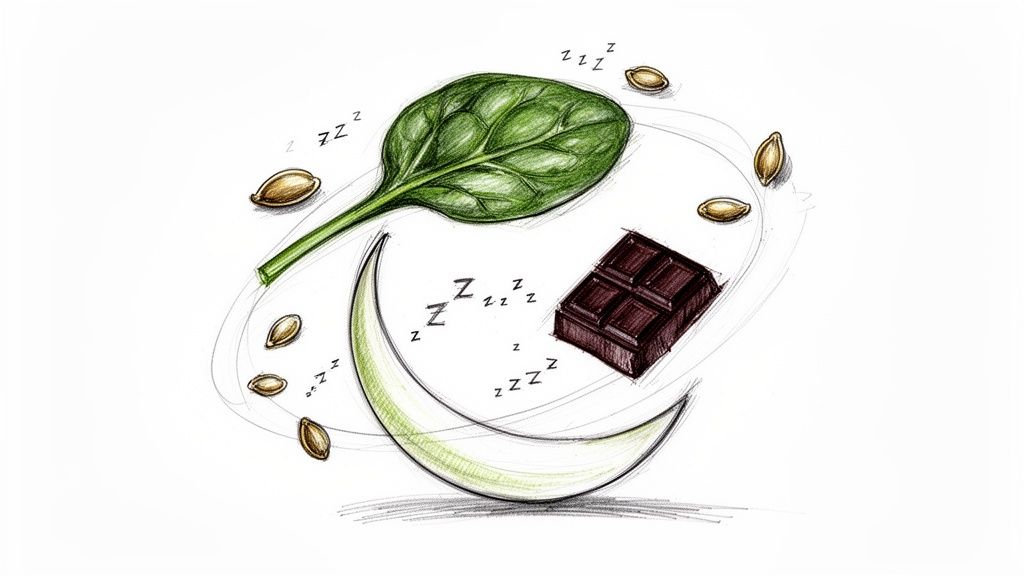
This vital mineral also supports muscle function to ease cramps and stabilizes blood glucose to help prevent mood swings and weight gain. Research from the National Institutes of Health confirms its importance, particularly for women over 50, who should aim for a daily intake of 310-320 mg.
How to Implement Magnesium-Rich Foods
Achieving your daily magnesium target is straightforward when you focus on whole-food sources. Consistency is key to restoring and maintaining adequate levels for symptom relief.
Leafy Greens: Incorporate spinach and Swiss chard into your diet. One cup of cooked spinach or Swiss chard provides around 150 mg of magnesium. Add them to omelets, soups, or sauté them as a side dish.
Seeds and Nuts: A single ounce of pumpkin seeds delivers a potent 168 mg of magnesium. Sprinkle them on salads, yogurt, or grain bowls. Almonds are another great choice, with 76 mg per ounce.
Dark Chocolate: Enjoy a one-ounce square of dark chocolate (70% cacao or higher) for a satisfying treat that provides about 64 mg of magnesium.
Key Insight: To boost magnesium absorption, pair these foods with sources of vitamin B6, like chickpeas or bananas, and boron, found in raisins and avocados.
Practical Tips for Success
To see tangible benefits, systematically add these foods to your diet and monitor how you feel. Many women report noticeable improvements in sleep quality and mood stability within two to three weeks of consistent intake, which you can track in an app like Lila.
For optimal effectiveness, combine raw and cooked greens to vary your nutrient intake. If you find it challenging to meet your needs through diet alone, a supplement can be helpful. Magnesium glycinate is often recommended as it is gentle on the stomach. For more details on choosing the right supplement, you can learn more about magnesium types for menopause. Remember to avoid taking magnesium supplements within two hours of iron or calcium, as they can compete for absorption.
5. Antioxidant-Rich Berries (Blueberries, Blackberries, Strawberries)
Berries are nutritional powerhouses packed with polyphenol antioxidants, including anthocyanins, quercetin, and resveratrol. During menopause, the body experiences increased oxidative stress and inflammation, which can worsen symptoms. Including specific foods for menopause, especially antioxidant-rich berries, can help combat these issues, supporting cognitive function, vascular health, and mood.
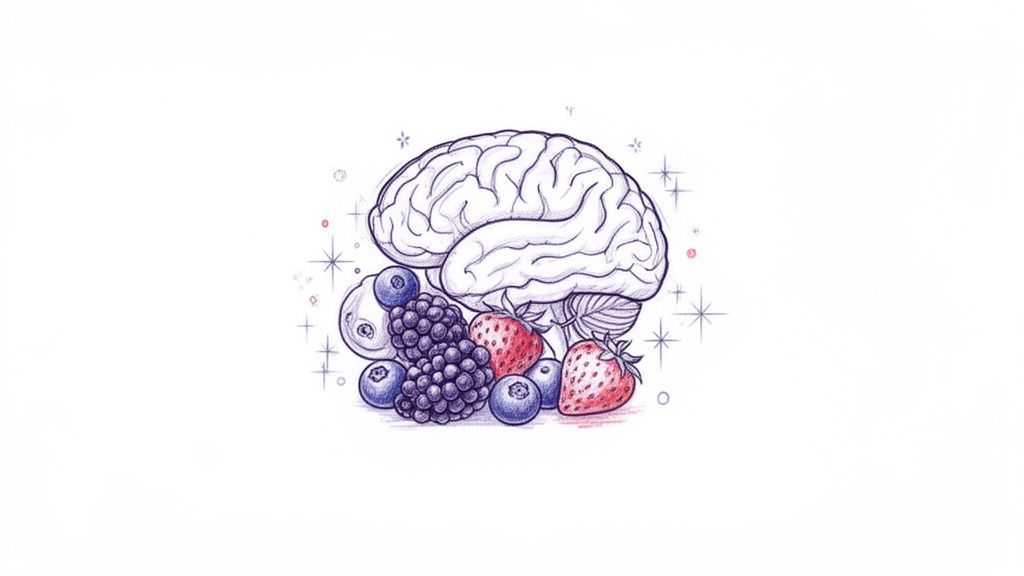
These powerful compounds help protect the brain from damage, addressing the frustrating "brain fog" many women report. They also promote cardiovascular health, a key concern as heart disease risk increases after menopause. By reducing neuroinflammation, the antioxidants in berries can also provide natural mood support, as emphasized by brain health researchers like those at the Amen Clinics.
How to Implement Berries
Making berries a regular part of your diet is a simple and effective strategy. Aim for one to two cups daily to get a meaningful dose of their protective compounds.
Blueberries: One cup offers 4 grams of fiber and some of the highest anthocyanin content, making them a top choice for brain health.
Blackberries: A single cup provides an impressive 7.6 grams of fiber, supporting digestive health and blood sugar balance.
Strawberries: Enjoy a cup of strawberries for over 150% of your daily vitamin C needs, which is crucial for collagen production and immune function.
Raspberries: With 8 grams of fiber per cup, raspberries are another excellent low-sugar option.
Key Insight: Buying frozen berries is a smart, cost-effective way to ensure year-round access. They are flash-frozen at peak ripeness, locking in their nutrients and antioxidant power.
Practical Tips for Success
To maximize the benefits of berries, focus on consistent intake and smart pairings. Start by adding a cup to your morning yogurt, oatmeal, or smoothie for an easy daily win. When you do, try tracking your mood and cognitive clarity in an app like Lila; some women notice improvements in focus within just a few weeks.
Consider choosing organic berries when possible, as they often appear on the Environmental Working Group's "Dirty Dozen" list due to pesticide residue. For a more complete nutritional boost, layer your berries with healthy fats like nuts and seeds. This combination helps with the absorption of fat-soluble vitamins and provides sustained energy.
6. Cruciferous Vegetables (Broccoli, Cauliflower, Brussels Sprouts, Cabbage)
Cruciferous vegetables are a nutritional powerhouse, playing a unique role in managing hormonal health during menopause. These vegetables, including broccoli, cabbage, and kale, contain compounds like indole-3-carbinol (I3C) and sulforaphane. These components support the liver’s detoxification pathways, which are essential for metabolizing and clearing excess estrogen from the body.
This process helps prevent the buildup of less favorable estrogen metabolites that can worsen symptoms like breast tenderness, bloating, and mood swings. By promoting a healthier estrogen balance, these foods for menopause can help stabilize the hormonal fluctuations characteristic of this transition. Furthermore, their high fiber and phytonutrient content supports blood sugar stability and weight management, addressing other key menopausal concerns.
How to Implement Cruciferous Vegetables
To benefit from these vegetables, aim for regular inclusion in your weekly meal plan. The variety within this food group makes them easy to incorporate into different dishes.
Broccoli & Cauliflower: A single cup of broccoli provides over 100mg of calcium, while cauliflower serves as a low-calorie rice alternative. Lightly steam them for 3-5 minutes to best preserve nutrients and activate sulforaphane.
Brussels Sprouts & Cabbage: One cup of roasted Brussels sprouts delivers more than the daily value of vitamin K, vital for bone health. Raw cabbage is excellent for making fermented foods like sauerkraut, which also supports gut health.
Kale: This leafy green is a bone-health champion, with one cup offering a massive dose of vitamin K. Add it to smoothies or sauté it with garlic.
Key Insight: To maximize sulforaphane activation when eating raw cruciferous vegetables, chew them thoroughly (for at least 20 seconds) before swallowing. If you are prone to bloating, start with smaller portions of cooked vegetables and gradually increase your intake.
Practical Tips for Success
Making cruciferous vegetables a regular part of your diet can be delicious and effective. Roasting them with olive oil and spices enhances their flavor, making them a more appealing side dish. You can also shred them into salads, add them to stir-fries, or blend them into soups.
Track your digestive comfort and energy levels in an app like Lila after adding these foods to find your ideal portion size and preparation method. Many women report feeling more energetic and less bloated with consistent intake. Combining these vegetables with a source of vitamin C, like a squeeze of lemon juice, will also help your body absorb the iron they contain.
7. High-Quality Protein (Lean Meats, Greek Yogurt, Plant-Based Proteins)
During menopause, the body’s hormonal shifts can accelerate age-related muscle loss (sarcopenia) and disrupt metabolic health, making protein one of the most important foods for menopause. Adequate protein intake helps counteract this decline, supports stable blood sugar levels, and regulates appetite hormones. This is crucial for managing the weight gain that affects a majority of menopausal women.
High-quality protein provides the essential amino acids needed for muscle synthesis and repair, as well as for producing neurotransmitters like serotonin and dopamine that influence mood. As estrogen declines, the body’s ability to build and maintain muscle mass becomes less efficient. Prioritizing protein helps preserve metabolically active muscle tissue, which in turn supports a healthier body composition and higher resting metabolism.
How to Implement High-Quality Protein
The goal is to distribute protein intake evenly throughout the day to maximize muscle protein synthesis and maintain satiety. Aim for 25-30 grams per meal.
Lean Animal Sources: A 3.5-ounce serving of chicken breast provides 31 grams of protein, while a similar portion of salmon offers 25 grams plus anti-inflammatory omega-3s and vitamin D.
Dairy and Plant-Based Power: A single cup of low-fat cottage cheese delivers about 28 grams of slow-digesting casein protein. For plant-based options, one cup of cooked lentils provides 18 grams of protein and fiber, while three ounces of tempeh offer 19 grams.
Breakfast Boost: Start your day with a high-protein breakfast to control appetite. A 7-ounce serving of Greek yogurt mixed with three tablespoons of hemp seeds can provide a combined 30 grams of protein.
Key Insight: Aim for a daily protein intake of 1.0-1.2 grams per kilogram of body weight. For a 150-pound (68kg) woman, this translates to roughly 68-82 grams of protein per day.
Practical Tips for Success
Making protein a priority at every meal can significantly impact energy levels, satiety, and body composition. Use an app like Lila to log your meals and track how your protein intake correlates with your energy, mood, and hunger levels.
Choose minimally processed, high-quality sources whenever possible, such as grass-fed beef, wild-caught fish, and organic tofu or tempeh. To ensure you get all essential amino acids from plant sources, combine different types, such as lentils with brown rice or hummus with whole-wheat pita. Pairing your protein with fiber-rich vegetables will further enhance feelings of fullness and add valuable micronutrients.
8. Whole Grains and Complex Carbohydrates (Oats, Quinoa, Sweet Potatoes)
Complex carbohydrates and whole grains are fundamental foods for menopause, playing a critical role in stabilizing blood sugar and mood. Unlike refined carbohydrates that cause sharp spikes and crashes in blood glucose, these slow-digesting carbs provide a steady stream of energy. This stability is key, as fluctuating glucose levels can trigger or worsen hot flashes, irritability, and weight gain, which are common concerns during the menopausal transition.
These foods are packed with B vitamins, particularly B6 and folate, which are essential for producing neurotransmitters like serotonin. This "feel-good" chemical helps regulate mood, and its production can be compromised by hormonal shifts. Additionally, the high fiber content in whole grains supports a healthy gut microbiome, which is increasingly recognized as central to managing menopausal symptoms by influencing everything from inflammation to hormone metabolism.
How to Implement Whole Grains and Complex Carbohydrates
Making the switch from refined to complex carbohydrates can significantly improve energy levels and symptom control. The goal is to make them a staple at most meals.
Oats & Barley: Start your day with a bowl of rolled oats or barley porridge. A single cup of cooked oats provides around 5 grams of fiber. These grains are high in a soluble fiber called beta-glucan, known for its cholesterol-lowering benefits.
Quinoa & Buckwheat: Use quinoa or buckwheat as a base for salads or as a side dish instead of white rice. One cup of cooked quinoa offers 8 grams of complete protein and 8 grams of fiber.
Sweet Potatoes & Brown Rice: Swap white potatoes for baked sweet potatoes, which are rich in fiber and beta-carotene. Choose brown rice over white rice; its higher fiber content (around 4 grams per cooked cup) ensures a slower release of sugar into the bloodstream.
Key Insight: Pair your complex carbohydrates with a source of protein and healthy fat. This combination further slows down digestion and lowers the overall glycemic response of the meal, preventing energy dips and cravings.
Practical Tips for Success
To maximize the benefits of these foods, focus on quality and preparation. When adding more fiber to your diet, track your energy levels and hot flash frequency in an app like Lila to see how the changes affect your symptoms over time. Many women report more stable energy throughout the day.
Look for breads and grains that are sprouted or made with sourdough, as these preparation methods can break down phytic acid, making minerals more available for absorption and improving digestibility. Aim to include 1-2 servings of complex carbs with each meal, concentrating them earlier in the day to support optimal blood sugar management.
9. Fermented Foods (Yogurt, Kefir, Sauerkraut, Kimchi, Miso)
Your gut microbiome plays a powerful role in regulating hormones, mood, and inflammation, making it a critical focus area during menopause. Fermented foods are a primary source of probiotics, the beneficial live bacteria that support a healthy gut. These microorganisms directly influence the 'estrobolome,' a collection of gut bacteria responsible for metabolizing and balancing estrogen. A healthy estrobolome can help manage the hormonal dips that worsen menopause symptoms.
When gut balance is off (dysbiosis), symptoms like bloating, mood swings, and even hot flashes can intensify. Research shows that regularly consuming probiotic-rich foods can restore beneficial bacterial populations, potentially improving symptom severity by a significant margin. This makes fermented foods one of the most effective groups of foods for menopause, supporting everything from estrogen modulation to metabolic health.
How to Implement Fermented Foods
The key to success with fermented foods is variety and consistency. Different foods offer different probiotic strains, each with unique benefits.
Dairy Sources: Choose Greek yogurt or kefir with "live and active cultures." A single cup of kefir can provide 10-34 billion colony-forming units (CFUs) from a diverse range of strains.
Vegetable Sources: Incorporate unpasteurized sauerkraut or kimchi into your meals. A small serving of just a quarter cup of sauerkraut delivers billions of beneficial bacteria alongside vitamin K.
Soy and Other Sources: Use miso paste to add a savory umami flavor to dressings and broths, or try tempeh as a plant-based protein that also offers probiotic benefits. Incorporating fermented foods like yogurt and kefir is excellent for your gut microbiome. For a more extensive list of beneficial options, explore the best foods for gut health.
▶ PlayKey Insight: Start small if you are new to fermented foods. Begin with a quarter-cup serving or a tablespoon of miso to allow your digestive system to adjust, then gradually increase your intake as you feel comfortable.
Practical Tips for Success
To get the most from these foods, focus on products that contain live cultures, as pasteurization kills the beneficial bacteria. Look for terms like "raw," "unpasteurized," or "live cultures" on the label, especially for sauerkraut and kimchi. Combining these foods with prebiotic-rich options like garlic, asparagus, or bananas provides fuel for the probiotics to thrive.
Track your digestive comfort, bloating, and hot flash frequency in an app like Lila after adding fermented foods. Many women notice improvements within three to four weeks. If you are particularly interested in how these foods can support weight management during this transition, you can learn more about the best probiotics for menopause.
10. Healthy Fats (Avocado, Extra Virgin Olive Oil, Nuts, Seeds)
Healthy fats, specifically monounsaturated and polyunsaturated fats, are foundational for overall health, becoming especially important during menopause. These fats are essential for hormone synthesis, maintaining cellular integrity, and supporting brain function. As estrogen declines, a woman's risk for cardiovascular disease increases, making heart-protective foods for menopause a priority. Healthy fats help manage this risk while also promoting satiety, which is crucial for managing the metabolic changes that can lead to weight gain.
The anti-inflammatory properties of these fats, particularly omega-3s found in walnuts and seeds, help counteract the low-grade inflammation associated with hormonal shifts. Furthermore, fats are vital for absorbing fat-soluble vitamins like A, D, E, and K, which are involved in everything from bone health to immune function. Compounds like polyphenols and vitamin E in extra virgin olive oil and nuts provide additional antioxidant protection against cellular stress.
How to Implement Healthy Fats
Incorporating these nutrient-dense fats is about quality and portion control. Focusing on whole-food sources ensures you get the full spectrum of benefits, including fiber and micronutrients.
Avocado: Add half an avocado to your salad or toast. It provides around 15 grams of healthy fat, plenty of fiber to stabilize blood sugar, and potassium for blood pressure regulation.
Extra Virgin Olive Oil: Drizzle 1-2 tablespoons over salads, roasted vegetables, or soups after cooking. Its powerful polyphenols are sensitive to heat, so using it raw or in low-heat applications is best.
Nuts and Seeds: A small handful (about one ounce) of almonds, walnuts, or chia seeds makes a great snack. Almonds are rich in vitamin E, while walnuts provide plant-based omega-3s (ALA).
Key Insight: Rotate your sources of healthy fats. Switching between different nuts, seeds, and oils ensures you get a wider variety of micronutrients and fatty acid profiles to support your body’s changing needs.
Practical Tips for Success
To effectively integrate healthy fats, pay attention to how you store and use them. Tracking your intake in an app like Lila can help you see how these foods impact your satiety levels and weight management goals, ensuring they support, not hinder, your progress.
Store nuts, seeds, and their oils in the refrigerator to prevent the delicate fats from oxidizing and becoming rancid. When building meals, pair a healthy fat source with lean protein and non-starchy vegetables to create a balanced plate that keeps you full and energized for hours. For more guidance on what to limit for weight management during this phase, you can learn about foods to avoid for menopause belly fat.
10 Menopause-Friendly Foods Compared
Item | Implementation Complexity 🔄 | Resource Requirements & Accessibility ⚡ | Expected Outcomes ⭐📊 | Ideal Use Cases 💡 | Key Advantages ⭐ |
|---|---|---|---|---|---|
Phytoestrogen-Rich Foods (Soy, Flaxseeds, Legumes) | Low — easy to add to meals; consistent intake needed | Low — widely available, affordable; choose organic/non‑GMO when preferred | Moderate effectiveness — ~20–30% reduction in hot flashes over 4–12 weeks 📊 | Natural estrogenic support; bone and cardiovascular maintenance | Plant-based estrogen alternatives; improves lipids and bone health |
Omega-3 Fatty Acids (Fatty Fish, Walnuts, Chia Seeds) | Low — add servings or take supplements; sourcing considerations | Moderate — quality fish/supplements costlier; watch mercury ⚠️ | Good — reduces inflammation, mood symptoms, sleep issues (~25% mood benefit) ⭐📊 | Joint pain, mood/cognitive support, cardiovascular protection | EPA/DHA anti-inflammatory action; brain and heart protection |
Calcium & Vitamin D-Rich Foods (Dairy, Fortified, Leafy Greens) | Moderate — food + sun/supplement strategy and monitoring advised 🔄 | Moderate — fortified foods common; supplements often needed for targets ⚡ | High for bone outcomes — reduces fracture risk (~30% long-term) 📊 | Prioritizing bone health, low sun exposure, postmenopausal prevention | Synergistic for bone density, neuromuscular and mood support |
Magnesium-Rich Foods (Leafy Greens, Pumpkin Seeds, Dark Chocolate) | Low — common foods; supplements if deficient; monitor dosing | Low–Moderate — foods inexpensive; supplements for therapeutic dosing | High for sleep/mood/symptom relief — 30–40% reduction in hot flashes in deficient individuals ⭐📊 | Sleep disturbance, muscle cramps, anxiety, hot flashes | Regulates neurotransmitters, improves sleep and muscle function |
Antioxidant-Rich Berries (Blueberries, Blackberries, Strawberries) | Low — simple to incorporate; seasonal variability | Moderate — seasonal cost; frozen options affordable and nutrient-dense ⚡ | Moderate — cognitive and mood benefits; ~20–26% improved outcomes 📊 | Cognitive clarity, anti-inflammatory and vascular support | High polyphenols, low GI, fiber-rich for metabolic health |
Cruciferous Vegetables (Broccoli, Cauliflower, Brussels Sprouts) | Low–Moderate — light cooking/chewing techniques affect compounds 🔄 | Low — widely available and low cost | Moderate — improves estrogen metabolism and may reduce hot flashes (~20–30%) 📊 | Estrogen metabolism optimization, detox support, weight management | Sulforaphane/I3C for estrogen clearance and anti‑inflammatory effects |
High-Quality Protein (Lean Meats, Greek Yogurt, Plant Proteins) | Moderate — requires meal planning to meet targets (distribute protein) 🔄 | Moderate–High — quality sources cost more; plant combos may be needed | High — preserves muscle, improves metabolism; reduces menopausal weight gain risk ⭐📊 | Muscle preservation, metabolic rate maintenance, satiety/weight control | Supports muscle synthesis, satiety, neurotransmitter production |
Whole Grains & Complex Carbohydrates (Oats, Quinoa, Sweet Potatoes) | Low — swap refined for whole; some prep (soaking) helpful | Low–Moderate — widely available; higher-quality grains cost more | Moderate — stabilizes blood glucose, reduces hot flashes ~15–25% 📊 | Blood sugar control, sustained energy, gut microbiome support | Low GI, B vitamins and fiber for neurotransmitter and gut health |
Fermented Foods (Yogurt, Kefir, Sauerkraut, Kimchi) | Moderate — daily consistency needed; choose live cultures | Moderate — quality fermented foods or homemade; variability across brands ⚡ | High — improves hot flashes and mood (20–40%+), enhances digestion ⭐📊 | Gut microbiome restoration, estrogen metabolism (estrobolome), mood support | Diverse probiotics, improves nutrient absorption and inflammation markers |
Healthy Fats (Avocado, Extra Virgin Olive Oil, Nuts, Seeds) | Low — easy to include with portion control | Moderate — quality oils/nuts can be costly; calorie-dense (portion control) ⚡ | High — reduces inflammation, supports CV health and satiety ⭐📊 | Cardiometabolic risk reduction, satiety and skin/brain support | Essential for hormone synthesis, anti-inflammatory and nutrient absorption |
Creating Your Personal Menopause Plate
Navigating the sea of dietary advice for menopause can feel overwhelming. After exploring the powerful roles of phytoestrogens, omega-3s, and magnesium, the path forward isn't about adopting a rigid, restrictive diet overnight. Instead, it's about building your unique "Menopause Plate" – a sustainable, personalized approach to eating that puts you in control of your symptoms and long-term health. The core principle is simple: consistency over perfection.
The journey begins not with a complete dietary overhaul, but with small, strategic additions. The most effective foods for menopause are the ones you will actually eat. Think of this process as a series of small experiments.
Key Takeaway: Your body is your best laboratory. The goal is to move from passively reading about nutrition to actively observing how specific foods affect your unique symptoms.
Your Action Plan: From Knowledge to Relief
Rather than trying to incorporate all ten food groups at once, focus on what matters most to you right now. This personalized approach is what creates lasting change.
Here’s a practical, step-by-step way to begin:
Identify Your #1 Symptom: Is it poor sleep? Persistent hot flashes? Low mood? Choose the single most disruptive symptom you want to address first.
Select Your "First-Line" Foods: Based on your top symptom, choose one or two food groups from this article to focus on. For instance:
For Sleep & Mood: Prioritize magnesium-rich foods like pumpkin seeds and leafy greens, and omega-3 sources like fatty fish or walnuts.
For Hot Flashes: Experiment with adding a daily serving of soy (tofu, edamame) or ground flaxseeds.
For Bone Health & Weight: Ensure adequate high-quality protein and calcium-rich foods like Greek yogurt or fortified plant milks at every meal.
Make Simple Swaps: Integration is about substitution, not just addition. Swap your usual afternoon snack for a handful of almonds and a few squares of dark chocolate. Replace a refined-grain side dish with quinoa or roasted sweet potatoes. These small shifts compound over time.
Track and Observe: This is the most crucial step. For one to two weeks, consciously note how you feel after incorporating your chosen foods. Did your sleep quality improve? Did the intensity or frequency of your hot flashes decrease? Using a dedicated app to log your meals alongside your symptoms creates an invaluable feedback loop. This data-driven method helps you connect the dots between what you eat and how you feel, turning generic advice into a concrete, personal action plan.
Building Your Foundation for Long-Term Wellness
As you become more attuned to your body's responses, you can begin to layer in other beneficial food groups. This gradual integration helps build habits that stick. You might find that a breakfast rich in protein and healthy fats stabilizes your energy far better than a carb-heavy meal. Or you may discover that adding fermented foods like kefir or kimchi to your diet has a noticeable impact on your digestion and mood.
To create a truly personalized approach, you might find a dedicated Menopause Nutrition Calculator helpful in tailoring your dietary needs. This can provide a more specific baseline for macronutrients and calories, giving your "Menopause Plate" an even stronger, more individualized foundation. Mastering these nutritional strategies is more than just managing symptoms; it's a profound act of self-care that builds resilience, supports metabolic health, and empowers you to feel vibrant and strong through this transition and for decades to come.
Ready to stop guessing and start building your personalized menopause nutrition plan? Download Lila to track your meals, monitor your symptoms, and discover the exact foods that work for your body. Take control of your menopause journey with data-driven insights by visiting Lila today.
Get Lila, your personal coach for perimenopause.
Built for women in their 40s. 24/7 coaching, in your pocket.


