
10 Proven Natural Remedies for Bloating in Perimenopause
Tired of stubborn bloating? Discover 10 science-backed natural remedies for bloating designed for perimenopause, from diet changes to supplements.
 Michelle
Perimenopausal bloating isn't just about what you eat; it's a complex interplay of hormonal shifts, gut sensitivity, and stress. Fluctuating estrogen and progesterone levels directly impact your digestive speed, fluid retention, and gut microbiome, making you more susceptible to gas and distention than ever before. Many women find that the foods and routines that once worked for them no longer do, leading to frustrating and uncomfortable abdominal puffiness.
This isn't a simple issue of eating "healthier." The physiological changes during this transition require a more specific approach. This article moves beyond generic advice to provide a strategic, evidence-based roundup of the most effective natural remedies for bloating, specifically tailored for the challenges of perimenopause. We will explore ten powerful, actionable strategies that address the root causes, not just the symptoms.
You will learn how to implement these remedies with practical, real-world guidance. We'll cover:
Herbal allies like ginger, fennel, and peppermint for immediate relief.
Dietary adjustments including the low-FODMAP approach and smart hydration.
Targeted supplements such as magnesium, digestive enzymes, and probiotics.
Lifestyle practices centered on movement and stress regulation.
Each remedy includes details on timing, how to use it for maximum benefit, and important safety considerations to help you find sustainable relief. The goal is to equip you with the knowledge to identify your unique triggers, build a personalized plan, and reclaim digestive comfort so you can feel like yourself again.
1. Ginger Root: The Anti-Inflammatory Digestive Aid
Ginger is a well-regarded rhizome, celebrated for more than just its culinary zest. It contains bioactive compounds called gingerols and shogaols, which possess potent anti-inflammatory and digestive properties. These compounds are particularly beneficial for perimenopausal women, as they help combat the digestive slowdown that often accompanies this life stage. Ginger works by stimulating digestive enzymes, accelerating stomach emptying, and relaxing intestinal muscles, which collectively reduce the gas and pressure that cause bloating.
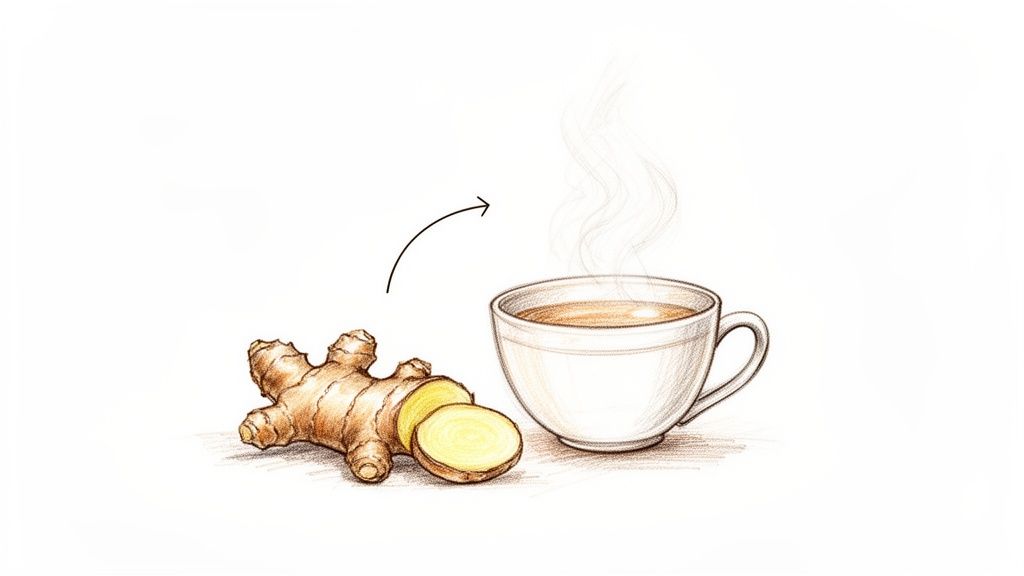
This powerful root is one of the most effective natural remedies for bloating because it addresses the problem at its source. By improving gastric motility, ginger ensures food moves through your system more efficiently, preventing it from fermenting in the gut and producing excess gas. It’s a proactive approach to managing discomfort before it begins.
How to Use Ginger for Bloating
Incorporating ginger into your routine is simple and can be done in several ways to suit your lifestyle. The goal is consistency to achieve the best results.
Preventative Ginger Tea: Prepare a fresh ginger tea by steeping 1-2 tablespoons of grated raw ginger in a cup of hot water for 5-10 minutes. Drinking this 15-20 minutes before your main meals can prime your digestive system and prevent bloating.
Supplementation: For a more concentrated dose, ginger supplements are a practical option. Clinical studies have shown that daily doses between 500-1000 mg can significantly reduce bloating symptoms.
Culinary Integration: Add freshly grated or chopped ginger to smoothies, stir-fries, soups, and dressings. This provides a continuous, low-dose digestive boost throughout the day.
Important Note: Start with a small amount of ginger, such as 1 gram per day, to assess your tolerance. If you have a sensitive stomach or are prone to heartburn, consuming ginger with food can help minimize potential irritation. You can track your ginger intake and corresponding bloating symptoms in the Lila app to see how it personally affects you.
2. Fennel Seeds: The Carminative Gas Reducer
Fennel seeds are more than an aromatic culinary spice; they are a traditional carminative, meaning they help prevent or expel gas from the digestive system. These small seeds contain potent volatile oils, including anethole, fenchone, and estragole. These compounds work by relaxing the smooth muscles of the gastrointestinal tract, which helps reduce spasms, cramping, and the uncomfortable pressure of trapped gas. For women in perimenopause, fennel is especially useful as it may also support estrogen metabolism, addressing both digestive and hormonal factors contributing to bloating.
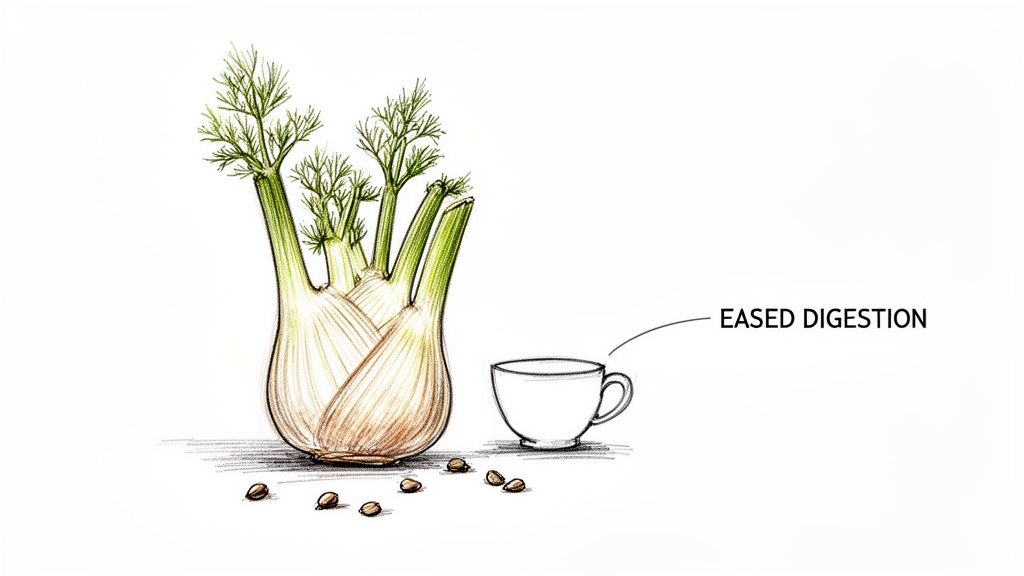
These seeds stand out among natural remedies for bloating because of their direct action on gas production and intestinal muscle relaxation. By soothing the digestive tract, fennel allows gas to pass more easily and prevents the painful distension that causes a bloated feeling. This makes it a quick and effective remedy, particularly after a large meal.
How to Use Fennel for Bloating
You can easily incorporate fennel into your daily habits to manage and prevent bloating, especially after eating.
Post-Meal Chew: A common practice in many cultures, chewing ½ to 1 teaspoon of raw fennel seeds after your meals can aid digestion and freshen your breath. Chew them slowly to release the beneficial oils.
Soothing Fennel Tea: Brew a simple tea by steeping 1 teaspoon of lightly crushed fennel seeds in a cup of hot water for 5-10 minutes. Drinking this after a meal can help prevent post-meal bloating and discomfort.
Supplement Form: For consistent and potent support, fennel supplements are available. A typical dose is around 500-600 mg taken once or twice daily, but follow the product’s specific instructions.
Important Note: Fennel seeds are generally safe, but start with a small amount to see how your body reacts. To maintain their potency, store the seeds in an airtight container away from direct sunlight. You can use the Lila app to track your fennel intake and note any improvements in your bloating symptoms, helping you personalize your approach.
3. Peppermint Tea: The Soothing Muscle Relaxant
Peppermint is a refreshing herb known for providing rapid relief from digestive discomfort. Its power lies in its active compounds, primarily menthol, which acts as a natural antispasmodic. This means it helps relax the smooth muscles lining the digestive tract, easing intestinal spasms that can trap gas and cause painful bloating. This makes it particularly effective for stress-induced or hormone-driven digestive issues common during perimenopause.
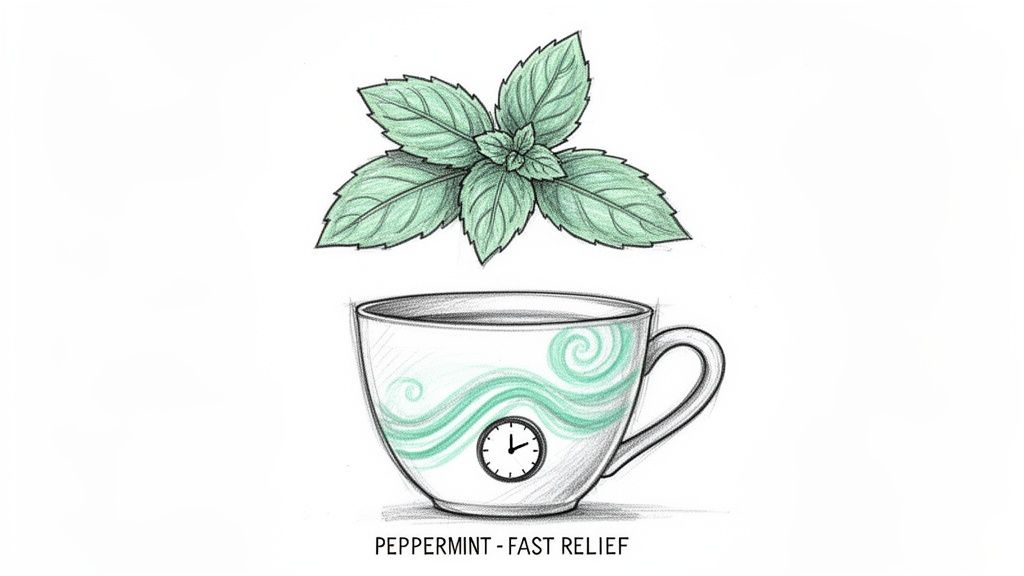
This potent herb is one of the most popular natural remedies for bloating because it directly targets the muscular tension in the gut. By calming these muscles, peppermint allows trapped gas to move through the system more efficiently and be released, providing gentle and fast-acting relief. Clinical studies have shown that menthol can lead to a significant improvement in bloating symptoms, making it a reliable tool for managing digestive distress.
How to Use Peppermint for Bloating
You can easily add peppermint to your daily routine to manage bloating, whether you prefer a warm tea or a targeted supplement.
Soothing Peppermint Tea: Brew a comforting tea by steeping one teaspoon of dried peppermint leaves (or 1-2 fresh sprigs) in a cup of hot water for 5-10 minutes. Drinking this 2-3 times a day can provide consistent relief from gas and pressure.
Enteric-Coated Capsules: For more direct and potent relief, especially for those with IBS-like symptoms, enteric-coated peppermint oil capsules are an excellent choice. These capsules, such as the IBgard brand, are designed to pass through the stomach and dissolve in the intestines where they are most needed. A typical dose is around 500 mg taken 20 minutes before meals.
Combined Approach: For a dual-action effect, try alternating between peppermint and ginger tea. This combination provides both antispasmodic and anti-inflammatory benefits to cover multiple causes of bloating.
Important Note: Peppermint can relax the esophageal sphincter, which may worsen heartburn or GERD in susceptible individuals. If you have acid reflux, it's best to consume peppermint with meals rather than on an empty stomach or opt for enteric-coated capsules. You can use the Lila app to track your peppermint intake and any related symptoms to find the timing and form that works best for your body.
4. Adequate Hydration with Strategic Timing
It may sound counterintuitive, but drinking more water can actually reduce water retention and bloating. Dehydration signals your body to hold onto every last drop of fluid, leading to uncomfortable swelling. For women in perimenopause, fluctuating hormones can disrupt thirst perception and fluid balance, making consistent hydration even more crucial for managing digestive wellness.
Proper hydration is one of the most fundamental natural remedies for bloating because it supports the entire digestive process. It helps break down food, softens stool to prevent constipation (a major cause of bloating), and ensures everything moves smoothly through your gastrointestinal tract. By maintaining fluid balance, you prevent your body from entering panic mode and retaining excess water.
How to Use Hydration for Bloating
Strategic timing and consistency are key to turning water into a powerful debloating tool. Simply chugging water randomly won't be as effective.
Pre-Meal Hydration: Drink 8-16 ounces of warm or room-temperature water 20-30 minutes before your meals. This stimulates digestive secretions and primes your system without diluting the stomach acid needed to break down food.
Morning Kick-Start: Begin your day with 16 ounces of warm water, perhaps with a squeeze of lemon. This simple habit can help wake up your digestive system and promote a healthy bowel movement, clearing out potential sources of bloating early on.
Between-Meal Sips: Focus on drinking your water between meals rather than during them. This prevents stomach distension from a combination of food and large volumes of liquid at once, a common trigger for immediate bloating.
Electrolyte Balance: Ensure your hydration includes electrolytes like sodium, potassium, and magnesium, which are vital for fluid regulation. You can get these from foods like bananas, avocados, and leafy greens, or consider a quality supplement if needed.
Important Note: While individual needs vary, aiming for 2.7 to 3.7 liters of total fluids daily is a good target for many perimenopausal women. Not sure what your personal target should be? You can use a daily water intake calculator to get a more personalized recommendation. Track your water consumption and bloating scores in the Lila app to see the direct impact of strategic hydration on your symptoms.
5. Magnesium Supplementation: The Essential Mineral for Relaxation
Magnesium is a vital mineral that participates in over 300 biochemical reactions in the body, including muscle relaxation, nervous system regulation, and digestive function. During perimenopause, hormonal shifts and increased stress can deplete magnesium levels, contributing to bloating, poor sleep, and mood swings. Supplementing with magnesium can help counteract these effects, making it a powerful natural remedy for bloating.
This essential mineral works by relaxing the intestinal muscles, which helps prevent spasms and constipation-related bloating. It also supports the function of digestive enzymes and draws water into the intestines, softening stool and promoting regular bowel movements. This dual action on both muscle function and bowel regularity makes it particularly effective for women experiencing digestive discomfort tied to hormonal changes. Studies show magnesium can reduce perimenopausal symptoms by 30-50%.
How to Use Magnesium for Bloating
Choosing the right type and dose of magnesium is key to getting relief without unwanted side effects. Consistency is important, as it can take a few weeks to build up your levels and notice a significant difference.
Choose the Right Form: Magnesium glycinate is highly bioavailable and gentle on the stomach, ideal for muscle relaxation and sleep support. Magnesium citrate is effective for constipation-related bloating due to its mild laxative effect.
Start Low and Go Slow: Begin with a dose of 200-300 mg daily, taken with food to improve absorption and minimize stomach upset. You can gradually increase the dose to 400 mg if needed, assessing your tolerance.
Time Your Dose: Taking magnesium in the evening can improve sleep quality while also supporting next-day digestion. Many women find a 200-400 mg dose of magnesium glycinate at bedtime helps reduce morning bloating.
Important Note: Avoid magnesium oxide, as it is poorly absorbed and more likely to cause loose stools. It can take 2-4 weeks to experience significant improvements, so be patient. You can discover more about how magnesium can ease your perimenopausal journey and track your intake in the Lila app to see how it correlates with your bloating, sleep, and mood.
6. The Low-FODMAP Diet: Identifying Your Personal Triggers
The Low-FODMAP diet is a scientifically validated approach to managing bloating by temporarily reducing the intake of certain short-chain carbohydrates. FODMAP stands for Fermentable Oligosaccharides, Disaccharides, Monosaccharides, and Polyols. These are specific types of sugars that are poorly absorbed in the small intestine, leading them to be fermented by gut bacteria, which produces gas, pain, and bloating. For perimenopausal women, whose gut sensitivity often increases due to hormonal shifts, identifying these dietary triggers can be a game-changer.
This method is one of the most effective natural remedies for bloating because it isn't a lifelong restriction but an investigative tool. It works in three distinct phases: elimination, reintroduction, and personalization. This allows you to pinpoint exactly which foods and in what quantities cause your discomfort, creating a sustainable diet that works for your unique body. Many women report a significant reduction in bloating within the first few weeks of the elimination phase.
How to Use the Low-FODMAP Diet for Bloating
Following this structured diet requires commitment, but it offers clear insights into your digestive health. The key is a systematic approach to identify your specific sensitivities.
Phase 1 (Elimination): For 2-6 weeks, remove high-FODMAP foods. This includes wheat, onions, garlic, high-lactose dairy, legumes, high-fructose fruits like apples and pears, and sugar alcohols. Focus on well-tolerated foods like rice, quinoa, carrots, bell peppers, spinach, chicken, fish, and berries.
Phase 2 (Reintroduction): Systematically reintroduce one FODMAP group at a time, for three days, to test your tolerance. For example, you might reintroduce lactose by drinking milk and observe your symptoms.
Phase 3 (Personalization): Based on your reintroduction results, you create a personalized, long-term diet that includes only the FODMAPs you can tolerate and in amounts that don't trigger symptoms.
Important Note: The elimination phase is not meant to be permanent. Its purpose is to establish a symptom-free baseline before reintroducing foods. Working with a registered dietitian trained in the low-FODMAP diet is highly recommended. You can use the Lila app’s meal logging feature to track your food intake and corresponding bloating severity, making it easier to see correlations during the reintroduction phase.
7. Consistent Physical Movement and Exercise
Regular physical activity is a powerful tool against bloating, working mechanically to stimulate intestinal motility and move food through the digestive tract. During perimenopause, hormonal shifts often slow this natural movement, making consistent exercise particularly beneficial. It helps prevent food from lingering and fermenting in the gut, which is a primary cause of gas and bloating.
Movement acts as one of the most direct natural remedies for bloating by physically encouraging your digestive system to work efficiently. Research shows that even short, gentle walks after meals can reduce bloating by 40-50% in just a few weeks. It’s not about intense workouts; it's about making regular, sustainable movement a part of your daily rhythm to support gut function.
How to Use Movement for Bloating
Integrating movement effectively means focusing on consistency and timing rather than just intensity. The key is to find activities you enjoy and can stick with long-term.
Post-Meal Walks: The most effective strategy is a gentle 10-20 minute walk immediately after your main meals. This simple habit uses gravity and light muscle contraction to aid digestion and prevent post-meal bloating before it starts.
A Balanced Routine: Combine daily low-intensity activities like walking or swimming with resistance training 2-3 times per week. Strength training improves abdominal muscle tone, which can help reduce the appearance of a bloated stomach.
Digestive Yoga: Specific yoga poses like Cat-Cow, Child’s Pose, and gentle twists can massage the abdominal organs, release trapped gas, and improve overall digestive flow. This also helps manage the stress that contributes to bloating.
Important Note: Avoid high-intensity exercise right after a large meal, as it can divert blood flow away from your digestive system and worsen discomfort. Start with realistic goals, like a 20-minute daily walk, and gradually build from there. Tracking your movement alongside your symptoms in the Lila app can show you which activities provide the most relief. Learn more about managing stress with fitness to see how exercise offers multiple benefits.
8. Digestive Enzymes and Probiotics: A Two-Pronged Gut Solution
Digestive enzymes and probiotics offer a powerful dual-action strategy for tackling bloating, particularly for perimenopausal women. Enzymes work on the mechanical side of digestion, breaking down food, while probiotics focus on restoring the microbial balance essential for a healthy gut environment. This combination addresses bloating from both angles: inefficient food breakdown and gas production by unhealthy gut bacteria.
This approach is one of the most effective natural remedies for bloating because it targets the root causes. Digestive enzymes, such as amylase (for carbs), protease (for protein), and lipase (for fats), help your body deconstruct meals into smaller, absorbable components. This reduces the amount of undigested food that can ferment in the intestines and produce gas. Simultaneously, probiotics introduce beneficial bacteria to crowd out the gas-producing microbes that often thrive when gut balance is disrupted by hormonal shifts. To better understand the distinct roles and benefits of these vital supplements, you can explore the debate between digestive enzymes vs probiotics.
How to Use Enzymes and Probiotics for Bloating
Combining these supplements requires specific timing and selection for optimal results. Consistency is key to rebalancing your digestive system and finding relief.
Enzyme Timing: Take a broad-spectrum digestive enzyme supplement containing amylase, protease, and lipase either immediately before or with your first few bites of a meal. A typical dose is 1-2 capsules per meal. Studies show some women experience a noticeable reduction in bloating within just 1-3 meals.
Probiotic Protocol: Start with a multi-strain probiotic of 10-15 billion CFU daily, gradually increasing to 25-50 billion CFU as your system adapts. Look for strains like Lactobacillus acidophilus and Bifidobacterium longum. For enhanced durability, consider spore-based probiotics like Bacillus species, which survive stomach acid more effectively.
Best Practices: Take probiotics on an empty stomach or with cool foods to protect the live cultures. Allow 2-4 weeks to notice significant improvements in bloating and regularity. It can also be beneficial to cycle your probiotic brands every 3-4 months to introduce diverse strains.
Important Note: While many probiotics require refrigeration, shelf-stable options are available for convenience. Always check the product label for storage instructions. Using the Lila app to log your enzyme and probiotic intake alongside your bloating symptoms can help you identify which specific products and dosages provide you with the most relief.
9. Reduce Processed Foods and Added Sugars
Modern processed foods and those high in added sugars are significant contributors to digestive distress. These items, including refined carbohydrates, sugary drinks, and packaged snacks, can disrupt the delicate balance of your gut microbiome. Unhealthy bacteria thrive on these sugars, leading to increased fermentation, gas production, and uncomfortable bloating. For perimenopausal women, reducing intake is dually beneficial, as it also helps stabilize blood sugar, manage weight, and improve mood and energy levels.
Cutting back on these foods is one of the most impactful natural remedies for bloating because it addresses a primary cause of gut imbalance. Many women report a dramatic reduction in bloating, sometimes over 50%, within just one or two weeks of eliminating items like diet sodas or yogurts with artificial sweeteners. This shift promotes a healthier gut environment where beneficial bacteria can flourish, leading to smoother digestion.
How to Reduce Processed Foods and Sugars for Bloating
A gradual and mindful approach is often more sustainable than a drastic overhaul. The key is to replace processed items with nutrient-dense, whole-food alternatives.
Identify and Replace: Start by identifying major sources in your diet. Swap sodas (both diet and regular) for sparkling water with lemon, replace flavored yogurts with plain yogurt topped with fresh berries, and switch processed breakfast cereals for oatmeal or eggs.
Read Labels Diligently: Become a food detective. Added sugars hide in seemingly healthy products like granola, smoothies, sauces, and salad dressings. Look for ingredients ending in "-ose" (like fructose or sucrose) and avoid artificial sweeteners (aspartame, sucralose) and sugar alcohols (sorbitol, mannitol), which are notorious for causing gas and bloating.
Focus on Adding, Not Just Restricting: Shift your focus to incorporating more whole foods. Plan to add more fresh vegetables, lean proteins like fish and eggs, healthy fats from nuts and seeds, and complex carbohydrates like quinoa and brown rice into your meals.
Important Note: A gradual transition can prevent feelings of deprivation and make the changes last. Try eliminating one category of processed food per week. Planning and prepping meals twice a week ensures you always have healthy, whole-food options ready, making it easier to avoid convenient but problematic processed snacks. You can use the Lila app’s meal tracker to see the direct correlation between reducing processed foods and improvements in your bloating, energy, and mood.
10. Stress Reduction and Nervous System Regulation
The connection between your mind and your gut is incredibly powerful, a concept known as the gut-brain axis. When you're under stress, your body activates its "fight-or-flight" response, which redirects resources away from non-essential functions like digestion. This can decrease stomach acid, slow gut motility, and alter your gut microbiome, creating a perfect storm for gas and bloating. For women in perimenopause, hormonal fluctuations often amplify stress sensitivity, making this connection even more critical.
Engaging in stress reduction practices is one of the most effective natural remedies for bloating because it helps shift your body into a "rest-and-digest" state. By activating the parasympathetic nervous system, these techniques restore blood flow to the gut, support proper enzyme secretion, and encourage smooth muscle contractions, allowing your digestive system to function as it should.
How to Use Stress Reduction for Bloating
The key to managing stress-induced bloating is consistency. Weaving small, deliberate moments of calm into your daily life can have a significant impact.
Mindful Breathing: Practice the 4-7-8 breathing technique daily. Inhale through your nose for a count of 4, hold your breath for a count of 7, and exhale completely through your mouth for a count of 8. Repeat this for 5-10 minutes, especially during high-stress moments or after a meal.
Gentle Movement: Incorporate gentle yoga or stretching into your routine. Poses like Child's Pose and gentle spinal twists can physically stimulate the parasympathetic nervous system and aid digestion. Just 15-20 minutes a day can make a difference.
Guided Meditation: Use a guided meditation app for a 5-15 minute body scan or breath awareness session. This practice helps lower cortisol levels and reduces the physical tension that contributes to digestive distress.
Important Note: Observe how your body responds to different stress management techniques. High-stress women often see the best results when they combine these practices with dietary changes. You can use the Lila app’s mood and symptom trackers to identify connections between your stress levels and bloating episodes, helping you pinpoint which strategies are most effective for you.
Top 10 Natural Remedies for Bloating — Comparison
Item | 🔄 Implementation Complexity | ⚡ Speed / Efficiency | 📊 Expected Outcomes (⭐) | Resource Requirements | 💡 Ideal Use Cases / Key Advantages |
|---|---|---|---|---|---|
Ginger Root | Low — simple prep (tea, fresh, powder) | Moderate — 30 min–2 hr onset | ⭐⭐⭐☆ — moderate improvement (30–40% reduction) | Low cost, widely available; minimal prep time | Relief for bloating + nausea; anti-inflammatory digestive support before meals |
Fennel Seeds | Low — chew seeds or brew tea | Fast — 15–30 min | ⭐⭐⭐⭐ — rapid gas relief for many users | Very low cost; seeds/tea/supplements; easy storage | Post‑meal gas, mild estrogenic support, culturally familiar remedy |
Peppermint Tea | Low (tea) / Moderate (enteric capsules) | Fast — 15–45 min | ⭐⭐⭐⭐ — strong evidence for IBS-related bloating | Low–moderate cost; enteric capsules pricier; avoid in GERD | Rapid antispasmodic relief for cramps and IBS‑type bloating |
Adequate Hydration (timed) | Low — behavioral habit change | Moderate — days–weeks for consistent benefit | ⭐⭐⭐☆ — moderate (25–30% reported reductions) | Zero–low cost; access to water; electrolyte balancing as needed | Baseline intervention for digestion, constipation prevention, fluid retention |
Magnesium Supplementation | Moderate — select form/dose, monitor meds | Slow to moderate — 2–4 weeks for full effect | ⭐⭐⭐⭐ — significant for deficiency-related bloating (30–50%) | Low cost supplements; choose form (glycinate/citrate); watch interactions | Best for muscle-relaxation, constipation, sleep and mood support |
Low‑FODMAP Diet | High — structured 3‑phase protocol, planning | Moderate — 2–6 weeks elimination, then reintroduction | ⭐⭐⭐⭐⭐ — highly effective for IBS/functional bloating (60–75%) | Moderate–high (meal prep, possible dietitian support) | Ideal for identifying trigger foods and addressing root causes |
Consistent Physical Movement & Exercise | Low–Moderate — routine/habit formation | Immediate post‑meal relief; accumulative benefits weeks | ⭐⭐⭐⭐ — strong cumulative impact (40–50%+ post‑meal) | Low cost (time/consistency); may need guidance for form | Prevents post‑meal bloating, improves motility, overall perimenopause benefits |
Digestive Enzymes & Probiotics | Moderate — product selection & storage needs | Enzymes: fast (with meals); Probiotics: 2–4 weeks | ⭐⭐⭐⭐ — enzymes 30–40%; probiotics 50–70% in many users | Variable cost; refrigeration for some probiotics; quality matters | Targets mechanical digestion + microbiome for persistent dysbiosis-related bloating |
Reduce Processed Foods & Added Sugars | Moderate — planning + behavior change | Fast — many see improvement in 3–7 days | ⭐⭐⭐⭐ — rapid and broad benefits (bloating, energy, weight) | Potentially higher grocery cost; meal prep required | Broad root‑cause approach; improves gut flora, insulin and inflammation |
Stress Reduction & Nervous System Regulation | Low — practice-based, requires consistency | Fast (minutes) for acute relief; cumulative over weeks | ⭐⭐⭐⭐ — immediate symptom relief and long‑term benefit | Minimal cost (time); apps or professionals optional | Best for stress‑driven bloating via gut‑brain axis; synergizes with all interventions |
Your Personalized Path to a Bloat-Free Life with Lila
Navigating the discomfort of bloating, especially during the hormonal shifts of perimenopause, can feel like an isolating and frustrating battle. Throughout this guide, we've explored a wide array of powerful, evidence-backed natural remedies for bloating, each offering a unique pathway to relief. From the carminative properties of ginger and fennel to the digestive support of probiotics and the stress-reducing power of mindful movement, you now have a full toolkit at your disposal.
The core message is one of empowerment and personalization. There is no single magic bullet for bloating; the true solution lies in creating a customized strategy that aligns with your body’s specific needs. The remedies discussed, including peppermint tea, proper hydration, magnesium, a low-FODMAP approach, and reducing processed foods, are not just isolated tips. They are interconnected puzzle pieces. Your mission is to discover which combination fits together perfectly to create your picture of digestive wellness.
From Guesswork to a Data-Driven Strategy
The most significant challenge is often identifying your personal bloating triggers and figuring out which remedies are actually working. Did the bloating ease up because you added ginger tea after lunch, or was it because you skipped the dairy in your coffee? Was it the 30-minute walk that helped, or was it the magnesium supplement you took the night before? This is where simply guessing can lead to continued frustration.
A methodical approach is your greatest asset. Instead of throwing everything at the wall and hoping something sticks, you can become a detective of your own health. By systematically introducing one new remedy at a time and observing the results over several days, you begin to collect valuable data. This process moves you from a state of passive suffering to active problem-solving. Understanding the specific bloating after eating causes, triggers, and practical fixes is a fundamental step in this journey, giving you the foundational knowledge needed to interpret your body's signals accurately.
The Power of Consistent Tracking with Lila
This is precisely where Lila becomes your indispensable partner. The Lila app is designed to transform this complex process into a simple, daily practice. It provides the structure needed to move beyond random trial and error and into a clear, data-informed plan.
Imagine this:
Morning Check-in: You use Lila’s quick daily check-in to log the severity of your bloating, note the quality of your sleep, and record your stress level.
Throughout the Day: You easily track your meals, noting that you had fennel seeds after lunch. You also log your afternoon walk and your water intake.
AI-Powered Insights: Over time, Lila’s intelligent platform begins to draw connections. It might highlight a correlation: on days you incorporate a post-meal walk and drink peppermint tea, your reported bloating score is consistently lower. Conversely, it might identify that high-sugar snacks are a frequent precursor to your worst bloating days.
This feedback loop is what makes all the difference. Lila doesn't just give you a place to store information; it helps you make sense of it. The app’s personalized action plans and 24/7 coaching provide the accountability and support to build these beneficial habits into your routine, one day at a time. Instead of feeling overwhelmed by a long list of potential remedies, you receive a clear, prioritized roadmap based on your own data. This is how you take these natural remedies for bloating and turn them into a lasting solution, reclaiming comfort, confidence, and control over your digestive health.
Ready to stop guessing and start understanding your body? Let Lila be your guide. Download Lila today to start tracking your symptoms and discover the personalized, data-driven plan that will finally bring you relief from bloating.
Get Lila, your personal coach for perimenopause.
Built for women in their 40s. 24/7 coaching, in your pocket.


