
8 Best Foods for Perimenopause to Ease Symptoms in 2026
Discover the 8 best foods for perimenopause to manage hot flashes, sleep, and mood swings. A science-backed guide for natural symptom relief.
 Michelle
Perimenopause marks a significant hormonal shift, often bringing a cascade of disruptive symptoms like hot flashes, unpredictable mood swings, sleep disturbances, and unwelcome weight changes. While this transition is a natural part of life, your daily choices can profoundly influence how you experience it. The right nutritional strategy is a powerful tool for managing these challenges, providing your body with the essential building blocks to find a new balance.
This guide serves as your practical roadmap, detailing the best foods for perimenopause that can help alleviate common symptoms. We will move beyond generic advice and focus on specific, actionable insights. For each food group, you will learn precisely why it helps, backed by its key nutrients and mechanisms. We’ll provide clear serving suggestions, simple meal ideas, and guidance on foods that might worsen your symptoms.
Think of this not just as a list, but as a toolkit for proactive self-care. You will discover how incorporating items like phytoestrogen-rich soy, omega-3-packed fatty fish, and high-fiber whole grains can directly target issues from brain fog to bloating. We'll also offer practical tips on how to track your progress, allowing you to identify the dietary adjustments that deliver the most significant relief for your unique body and symptoms.
1. Phytoestrogen-Rich Foods (Soy, Flaxseeds, Legumes)
As estrogen levels begin to fluctuate and decline during perimenopause, your body's internal thermostat can go haywire. Phytoestrogens, natural compounds found in plants, can offer support by gently mimicking estrogen's effects. These compounds bind to estrogen receptors, helping to buffer against the hormonal highs and lows that trigger symptoms like hot flashes and night sweats. Incorporating these foods is a cornerstone of managing perimenopause naturally.
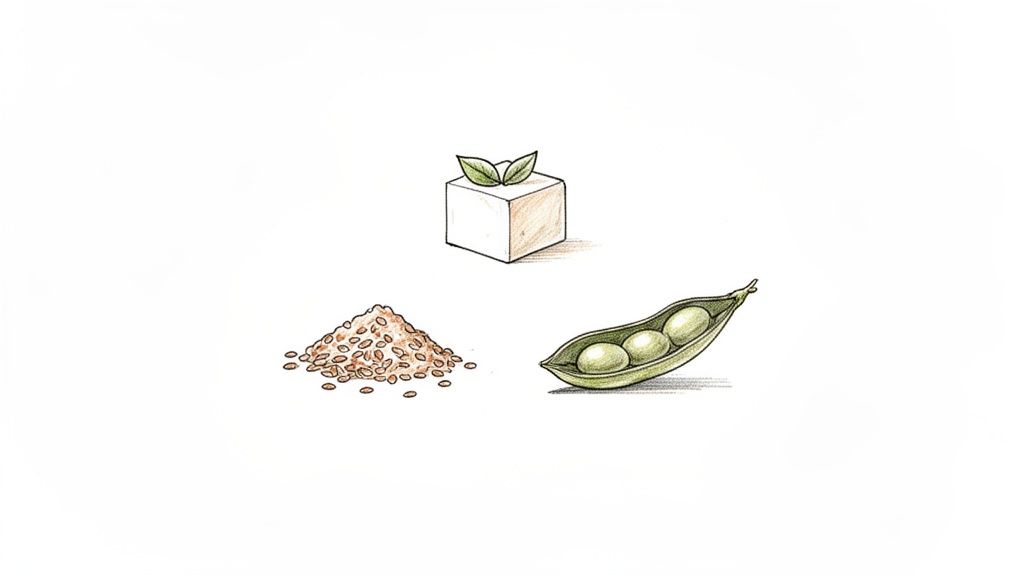
This mild estrogenic activity is why phytoestrogens are among the best foods for perimenopause. Clinical studies have shown that consistent intake can reduce the frequency and severity of vasomotor symptoms (hot flashes and night sweats) by a significant margin, sometimes up to 30%. Beyond temperature regulation, they also contribute to better mood stability and metabolic health, which are often disrupted during this transition.
How to Implement Phytoestrogens
Integrating these foods into your diet doesn't require a complete overhaul. Small, consistent additions are key.
Soy Sources: Include tofu, tempeh, or edamame in your meals 2-3 times per week. Tofu works wonderfully in stir-fries, while tempeh makes a hearty protein base for salads or grain bowls.
Flaxseeds: Add one to two tablespoons of ground flaxseed to your daily routine. It mixes easily into smoothies, oatmeal, yogurt, or even baked goods.
Legumes: Make lentils, chickpeas, and other beans a regular feature. A hearty lentil soup or a chickpea salad can be simple, satisfying ways to boost your intake.
Actionable Tips for Success
To get the most out of these foods, follow a few practical guidelines.
Key Insight: Start with smaller portions, like a half-serving of tofu or one tablespoon of flax, to allow your digestive system to adapt, especially if you're not used to high-fiber foods.
Aim for one to two servings of a phytoestrogen-rich food daily for optimal hormone support. For maximum benefit, grind flaxseeds just before use or store pre-ground flax in the refrigerator to protect its delicate oils from oxidation. Tracking your intake in a meal log, like the one in the Lila app, can help you see direct correlations between what you eat and how you feel, allowing you to fine-tune your approach for better symptom relief.
2. Calcium and Vitamin D-Rich Foods (Dairy, Fortified Alternatives, Fatty Fish)
As estrogen levels drop during perimenopause, the rate of bone loss accelerates, increasing the risk of osteoporosis. Calcium is the primary mineral that makes up your bones, and vitamin D is essential for your body to absorb that calcium effectively. This powerful duo works together to maintain bone density and structural integrity. Making these nutrients a priority is crucial for long-term skeletal health.
Beyond bone protection, calcium and vitamin D are among the best foods for perimenopause because they support multiple systems. These nutrients play roles in muscle function, nerve signaling, and even mood regulation. Research suggests adequate vitamin D levels are linked to a lower risk of depressive symptoms, which can become more common during this hormonal shift. By focusing on these nutrients, you address bone health, muscle strength, and emotional well-being all at once.
How to Implement Calcium and Vitamin D
Consistently including these foods in your daily meals is the most effective strategy for building and maintaining strong bones.
Dairy Sources: Incorporate Greek yogurt, milk, or cheese into your diet. A cup of Greek yogurt with berries for breakfast is a great start.
Fatty Fish: Aim to eat fatty fish like salmon or sardines 2-3 times per week. They are excellent sources of both vitamin D and omega-3 fatty acids.
Fortified Alternatives: If you are dairy-free, choose fortified plant-based milks like almond, soy, or oat milk. Check the label to ensure it contains at least 300 mg of calcium per serving.
Actionable Tips for Success
To maximize absorption and meet your daily needs, consider these practical tips.
Key Insight: Pair calcium-rich foods with sources of vitamin C (like berries or citrus) and magnesium (like nuts and seeds) to enhance absorption and support overall bone matrix health.
Aim for a daily intake of 1,000-1,200 mg of calcium. Since vitamin D is harder to obtain from food alone, consider adding 15-20 minutes of midday sun exposure to your routine to support natural synthesis. Using a meal tracker, such as the one in the Lila app, can help you monitor your daily calcium and vitamin D intake and ensure you are consistently meeting your targets for optimal bone and mood support.
3. Omega-3 Fatty Acids (Fatty Fish, Walnuts, Chia Seeds)
As hormone levels shift during perimenopause, many women experience heightened mood swings, anxiety, and even depressive symptoms. Omega-3 fatty acids, particularly EPA and DHA, are powerful anti-inflammatory compounds that play a direct role in brain health. They support the production of serotonin and dopamine, neurotransmitters that regulate mood and emotional well-being, providing a crucial buffer against the emotional turbulence of this transition.
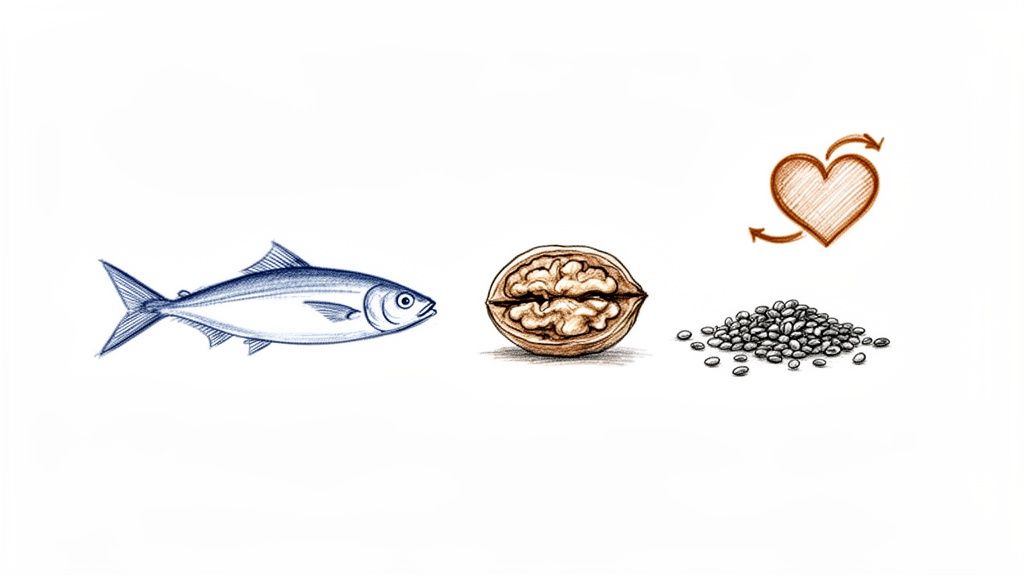
These healthy fats are some of the best foods for perimenopause because their benefits extend beyond mood. Studies have shown that a consistent intake of omega-3s can reduce the severity of hot flashes by up to 20% in some women. Furthermore, they are vital for cardiovascular health, which is a key concern as heart disease risk increases after menopause. By reducing systemic inflammation, omega-3s also promote better sleep quality and joint comfort.
How to Implement Omega-3s
Boosting your omega-3 intake is straightforward with a few delicious additions to your weekly menu. Consistency is more important than quantity.
Fatty Fish: Aim to include salmon, mackerel, herring, or sardines in your meals 2-3 times per week. A simple baked salmon fillet or sardine toast on whole-grain bread are excellent choices.
Walnuts: A small handful of walnuts makes for a satisfying afternoon snack that curbs hunger and supports brain health. They are also a great addition to salads and oatmeal.
Chia and Flax Seeds: Prepare chia seed pudding for a quick breakfast or add ground flaxseeds to smoothies and yogurt. These seeds are easy to incorporate daily.
Actionable Tips for Success
To maximize the mood-stabilizing and anti-inflammatory benefits, focus on consistent, high-quality sources.
Key Insight: To see a noticeable impact on mood and hot flashes, aim for at least two servings of fatty fish per week (about 8-12 ounces total). Plant-based sources are great, but the EPA and DHA in fish are the most potent forms.
Choose wild-caught fish over farmed varieties when possible, as it often contains a better fatty acid profile. Making a large batch of chia seed pudding at the start of the week ensures you have a healthy, omega-3-rich option ready to go. You can use a tool like the Lila app to track your intake and monitor how your mood and sleep quality improve as you consistently include these foods.
4. High-Fiber Foods (Whole Grains, Vegetables, Fruits, Legumes)
During perimenopause, digestive woes like bloating and constipation can become more frequent, while blood sugar fluctuations contribute to mood swings and weight gain. Dietary fiber is a powerhouse nutrient that addresses these issues directly. It promotes digestive regularity, stabilizes blood sugar levels after meals, and fosters a healthy gut microbiome, which is crucial for hormonal balance.
These benefits make high-fiber options some of the best foods for perimenopause. A healthy gut, nourished by fiber, produces compounds called estrobolins that help regulate circulating estrogen levels, offering another layer of support against hormonal chaos. By improving satiety and slowing down digestion, fiber also plays a key role in weight management, helping you feel fuller for longer and reducing the likelihood of cravings.
How to Implement High-Fiber Foods
Boosting your fiber intake is about making consistent, colorful additions to your plate.
Whole Grains: Start your day with steel-cut oats topped with berries, or swap white rice for quinoa or brown rice at lunch and dinner.
Vegetables & Fruits: Aim to fill half your plate with non-starchy vegetables like broccoli, leafy greens, and bell peppers. Snack on an apple with almond butter or raw vegetables with hummus.
Legumes: Incorporate lentils, chickpeas, or black beans into soups, salads, and curries 2-3 times per week for a protein and fiber boost.
Actionable Tips for Success
To successfully increase your fiber intake without digestive discomfort, a gradual approach is best.
Key Insight: Increase your fiber intake slowly over two to three weeks to allow your digestive system to adapt. Simultaneously, increase your water intake to 8-10 glasses daily, as fiber needs water to function properly and prevent bloating.
Aim for a daily target of 25-30 grams of fiber. You don't need to overdo it; balance is key. By using a food tracker like the one in the Lila app, you can monitor your daily intake and see how it correlates with improvements in bloating, mood stability, and digestive comfort. For more strategies on managing this common symptom, explore these natural remedies for bloating.
5. Antioxidant-Rich Foods (Berries, Dark Leafy Greens, Dark Chocolate)
Hormonal shifts during perimenopause can increase oxidative stress and inflammation, contributing to brain fog, fatigue, and even more intense hot flashes. Antioxidants are powerful compounds that neutralize unstable molecules called free radicals, protecting your cells from damage. Loading your diet with antioxidant-rich foods is a delicious and effective strategy for combating these internal stressors and supporting overall well-being.
These foods are essential because they do more than just fight inflammation. The specific antioxidants found in berries (anthocyanins), dark leafy greens (lutein and zeaxanthin), and dark chocolate (flavanols) have been linked to improved circulation, enhanced cognitive function, and better mood regulation. By addressing these issues at a cellular level, antioxidant-rich foods serve as some of the best foods for perimenopause, offering a multi-pronged approach to symptom management.
How to Implement Antioxidant-Rich Foods
Making these foods a daily habit is simple and satisfying. Focus on color and variety to ensure a broad spectrum of protective compounds.
Berries: Start your day with a mixed berry smoothie or add a handful of fresh or frozen blueberries to your yogurt or oatmeal.
Dark Leafy Greens: Build large salads with a base of spinach, kale, or Swiss chard. You can also blend spinach into soups, sauces, or smoothies for a nutrient boost without altering the taste.
Dark Chocolate: Enjoy one ounce (about a small square) of dark chocolate with 70% or higher cacao content as a satisfying afternoon snack.
Actionable Tips for Success
A few simple habits can maximize the benefits you receive from these powerful foods.
Key Insight: Don't overlook frozen berries. They are picked at peak ripeness and flash-frozen, which preserves their antioxidant content just as effectively as fresh, and they are often more affordable.
Aim for at least one serving of berries and one to two servings of dark leafy greens each day. When choosing chocolate, the higher the cacao percentage, the greater the antioxidant benefit and the lower the sugar content. Tracking your intake in a food journal, like the one in the Lila app, can help you notice connections between high-antioxidant days and improvements in your energy levels, mental clarity, and overall mood.
6. Lean Proteins and Plant-Based Proteins (Chicken, Turkey, Tofu, Tempeh, Eggs)
During perimenopause, maintaining lean muscle mass becomes a significant challenge as declining estrogen levels can accelerate age-related muscle loss (sarcopenia). Adequate protein intake is crucial to counteract this process, as protein provides the essential amino acids needed to build and repair muscle tissue. A stronger muscle base supports a higher resting metabolism, which is vital for managing the weight fluctuations common during this transition.
Prioritizing protein also helps stabilize blood sugar and regulate appetite hormones like ghrelin and leptin. This stabilization can curb cravings and prevent the energy crashes that often lead to poor food choices. For these reasons, lean and plant-based proteins are among the best foods for perimenopause, offering a powerful tool for metabolic health, energy regulation, and body composition management. Some plant-based sources like tofu and tempeh even provide a dual benefit by also containing phytoestrogens.
How to Implement Lean and Plant-Based Proteins
Incorporating sufficient protein into each meal is a foundational strategy for symptom control. The goal is to make it a consistent part of your daily eating pattern.
Lean Animal Proteins: Choose skinless chicken or turkey breast, lean fish, and eggs. A grilled chicken breast with roasted vegetables or turkey meatballs with whole-grain pasta are excellent dinner options.
Plant-Based Proteins: Make tofu, tempeh, and legumes staples in your diet. A tofu stir-fry with mixed vegetables and brown rice provides a balanced meal, while tempeh "bacon" can be a savory breakfast addition.
Breakfast Focus: Including protein at breakfast is especially effective for setting a stable energy and blood sugar baseline for the entire day. Scrambled eggs or a Greek yogurt parfait are great choices.
Actionable Tips for Success
To maximize the benefits of protein, focus on both quantity and timing. For more ideas on structuring your meals, check out this 5-day perimenopause diet plan.
Key Insight: Aim for approximately 20-30 grams of protein per meal. This amount has been shown to maximize satiety signals and support muscle protein synthesis, helping you feel fuller longer and preserving metabolic function.
Choose lean cuts of meat and poultry to minimize saturated fat intake. When using plant proteins, pair them with whole grains (like quinoa or brown rice) to ensure you are getting all essential amino acids. Tracking your daily protein intake in a meal log, such as the one in the Lila app, can help you connect your diet to changes in energy levels, satiety, and weight management goals.
7. Low-Glycemic and Whole Carbohydrates (Steel-Cut Oats, Quinoa, Sweet Potatoes, Barley)
During perimenopause, changing hormone levels can decrease your body’s insulin sensitivity, making you more susceptible to blood sugar spikes and crashes. These fluctuations are notorious triggers for mood swings, intense cravings, and energy dips. Choosing low-glycemic, whole carbohydrates provides a slow, steady release of glucose into the bloodstream, which is fundamental for maintaining stable energy and mood.
This sustained energy supply makes low-glycemic carbs some of the best foods for perimenopause. Unlike refined carbs (white bread, pasta, sugary snacks) that cause rapid blood sugar surges, whole grains and vegetables support metabolic health and help prevent the insulin resistance that often contributes to perimenopausal weight gain. They also provide essential fiber, which promotes satiety and supports digestive regularity.
How to Implement Low-Glycemic Carbs
Incorporating these complex carbs is about making smart swaps rather than eliminating carbohydrates altogether. The goal is to focus on quality.
Breakfast Boost: Start your day with steel-cut oatmeal topped with nuts and berries or a savory bowl of quinoa with a poached egg.
Power Lunches: Build satisfying salads or bowls around a base of quinoa, farro, or barley. Roasted sweet potato with black beans and avocado is another excellent option.
Smarter Sides: Replace white rice or pasta with brown rice, barley risotto, or a side of roasted root vegetables at dinner.
Actionable Tips for Success
To maximize the benefits of these foods, focus on consistency and pairing them correctly.
Key Insight: To avoid blood sugar spikes, always pair your whole carbohydrate with a source of protein and healthy fat. For example, add nut butter to your oatmeal or chicken to your quinoa bowl.
Batch-cook grains like quinoa or barley over the weekend so you have a convenient base for quick meals throughout the week. If you suspect a sensitivity, choose certified gluten-free options like quinoa or brown rice. Tracking your carbohydrate choices in the Lila app and noting any changes in energy levels or hot flash frequency can reveal powerful connections between your diet and your symptoms. For more information on what to limit, you can learn about foods to avoid for menopause belly fat.
8. Anti-Inflammatory Herbs and Spices (Turmeric, Ginger, Cinnamon)
Systemic inflammation can be a hidden driver of many perimenopause symptoms, including joint pain, mood disruption, and even hot flashes. Potent anti-inflammatory herbs and spices like turmeric, ginger, and cinnamon work to counteract this internal fire. Their active compounds, such as curcumin in turmeric and gingerol in ginger, help calm inflammatory pathways, offering a natural and effective way to manage discomfort.
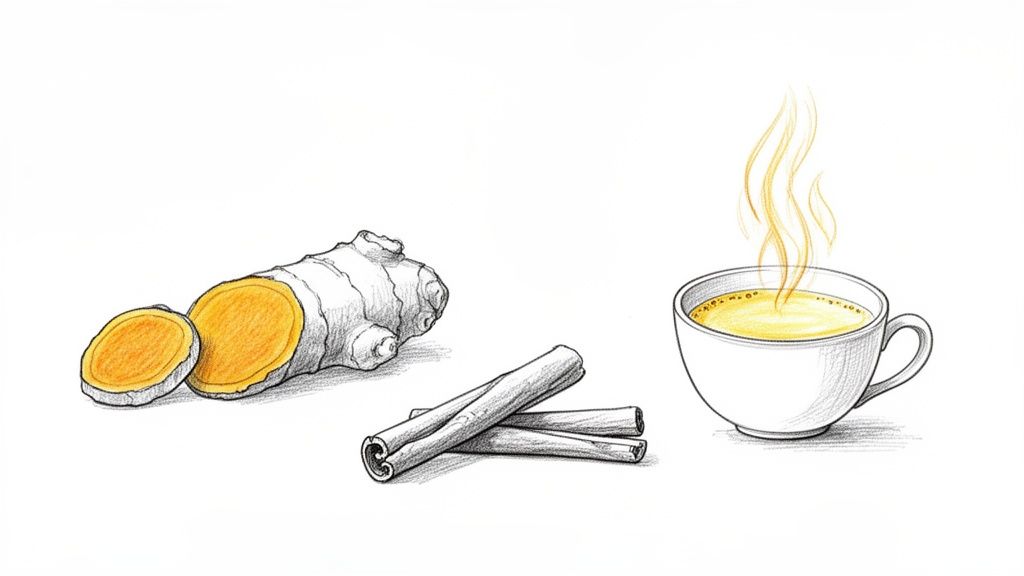
These culinary powerhouses are some of the best foods for perimenopause because they do more than just fight inflammation. Certain clinical studies suggest that daily curcumin intake may reduce hot flash frequency by up to 30% for some women. Additionally, spices like cinnamon help regulate blood sugar, which is crucial for managing mood swings and preventing weight gain during this hormonal transition.
How to Implement Anti-Inflammatory Spices
Making these spices a part of your daily ritual is simple and can be quite delicious. Consistency is the goal.
Turmeric: Make a golden milk latte with turmeric, black pepper, and a touch of healthy fat like coconut oil. You can also add it to roasted vegetables, soups, and curries 2-3 times per week.
Ginger: Brew fresh ginger tea with a squeeze of lemon to sip on when a hot flash strikes. Add grated ginger to smoothies, stir-fries, and marinades for a zesty, anti-inflammatory kick.
Cinnamon: Sprinkle cinnamon generously on your morning oatmeal, yogurt, or sliced apples. It adds natural sweetness and helps stabilize your glucose levels throughout the day.
Actionable Tips for Success
To maximize the benefits of these spices, a few simple tricks can make a big difference.
Key Insight: Always combine turmeric with a pinch of black pepper. The piperine in black pepper can increase curcumin's bioavailability by up to 2,000%, ensuring your body can actually absorb and use it.
Start with smaller amounts, like ½ teaspoon of turmeric daily, and gradually increase to 1 teaspoon as your body adjusts. Beyond specific herbs and spices, exploring a wider array of anti-inflammatory foods can further support symptom management. Using a tool like the Lila app to track your spice intake and corresponding symptoms can help you identify which ones provide you with the most relief from joint pain or hot flashes.
Top 8 Perimenopause Foods Comparison
Item | 🔄 Implementation complexity | ⚡ Resource & cost | 📊 Expected outcomes (⭐) | 💡 Ideal use cases | ⭐ Key advantages |
|---|---|---|---|---|---|
Phytoestrogen-Rich Foods (Soy, Flaxseeds, Legumes) | Low — easy to swap into meals | Low cost, widely available | Reduces hot flashes/night sweats ~20–30; supports mood & metabolism — ⭐⭐⭐⭐ | Hot flashes, mild hormonal imbalance, plant-forward diets | Natural estrogen-mimic, versatile, fiber-rich |
Calcium & Vitamin D-Rich Foods (Dairy, Fortified Alternatives, Fatty Fish) | Low — daily inclusion required | Moderate — dairy/fish or fortified options; sun exposure for D | Prevents accelerated bone loss; supports muscle & mood — ⭐⭐⭐⭐ | Bone health maintenance, fracture risk reduction | High bioavailability (dairy/fish); bone & muscle support |
Omega-3 Fatty Acids (Fatty Fish, Walnuts, Chia) | Low–Moderate — sourcing & frequency planning | Moderate — fish/supplements; sustainability concerns | Lowers inflammation, improves mood & sleep; may reduce hot flash severity ~20% — ⭐⭐⭐⭐ | Mood swings, sleep issues, cardiovascular risk | Potent anti-inflammatory; supports brain & heart |
High-Fiber Foods (Whole Grains, Vegetables, Fruits, Legumes) | Moderate — gradual increase advised | Low — widely available, minimal cost | Stabilizes blood sugar, improves digestion & satiety — ⭐⭐⭐⭐ | Bloating, weight management, blood sugar control | Improves gut microbiome, long-term metabolic stability |
Antioxidant-Rich Foods (Berries, Dark Leafy Greens, Dark Chocolate) | Low — easy to add as snacks/meals | Moderate — fresh berries can be costly; frozen ok | Reduces oxidative stress/inflammation; supports cognition & mood — ⭐⭐⭐ | Hot flash intensity, brain fog, general inflammation | Broad cellular protection; nutrient-dense snack options |
Lean & Plant-Based Proteins (Chicken, Tofu, Eggs, Tempeh) | Low–Moderate — requires meal planning | Moderate — cost varies by source | Preserves lean mass, stabilizes appetite & blood sugar — ⭐⭐⭐⭐ | Preventing muscle loss, appetite control, weight management | Supports metabolism, satiety; plant proteins add phytoestrogens |
Low-Glycemic Whole Carbohydrates (Oats, Quinoa, Sweet Potato) | Moderate — may require batch cooking | Moderate — longer cooking/prep time | Prevents glucose spikes/crashes; reduces triggers for hot flashes — ⭐⭐⭐⭐ | Energy stability, mood swings, insulin sensitivity | Sustained energy, supports serotonin & sleep |
Anti-Inflammatory Herbs & Spices (Turmeric, Ginger, Cinnamon) | Low — simple to incorporate | Low — shelf-stable, cost-effective | Reduces inflammation and vasomotor symptoms (curcumin studies show up to ~30% reduction) — ⭐⭐⭐ | Hot flashes, joint pain, digestive discomfort | Potent, low-cost anti-inflammatory support; easy to add to meals |
Creating Your Personalized Perimenopause Eating Plan
Navigating perimenopause can feel like a complex journey, but the power to influence how you feel is firmly on your plate. This guide has detailed some of the best foods for perimenopause, moving beyond generic advice to give you a strategic nutritional toolkit. From phytoestrogen-rich soy and flaxseeds that may help balance hormonal fluctuations to the omega-3 fatty acids in fatty fish that combat inflammation and mood swings, each food group offers a specific benefit. By focusing on these key nutritional pillars, you're not just eating; you're actively managing your body's transition.
The core message is one of intentional nourishment. Incorporating high-fiber foods supports gut health and stable energy, while lean proteins are essential for maintaining muscle mass and metabolism. Similarly, antioxidant-rich berries and anti-inflammatory spices like turmeric are not just flavorful additions; they are your body's allies in reducing oxidative stress and systemic inflammation, which can worsen symptoms like joint pain and brain fog.
Actionable Steps to Build Your Perimenopause Diet
Transforming this knowledge into daily practice is your next step. Don't try to change everything overnight. Instead, focus on small, sustainable adjustments that build momentum.
Start with One Meal: Choose one meal, like breakfast, to optimize first. Swap your usual sugary cereal for steel-cut oats topped with berries, walnuts, and a sprinkle of flaxseed. This single change addresses fiber, low-GI carbs, omega-3s, and antioxidants.
Plan Your Plate: Aim for the "Perimenopause Plate" at lunch and dinner: half your plate filled with non-starchy vegetables (for fiber and antioxidants), a quarter with lean protein (like chicken or tofu), and a quarter with a low-glycemic carbohydrate (like quinoa or a small sweet potato).
Shop with a Strategy: Grocery shopping can be overwhelming. To streamline your efforts in building a comprehensive dietary plan, consider using a detailed whole food plant-based shopping list to guide your grocery purchases and ensure you have all the necessary ingredients. This ensures your kitchen is stocked with supportive foods, not trigger foods.
By adopting these targeted dietary strategies, you are taking a proactive role in your well-being. The connection between food and hormonal health is profound, and mastering your nutritional intake is one of the most effective ways to ease symptoms, protect your long-term health, and feel more in control during this significant life stage. Your body is changing, and your diet should change with it, providing the specific support it needs to thrive.
Ready to connect the dots between your meals and symptoms? The Lila app provides AI-guided insights to help you understand how the best foods for perimenopause personally affect your hot flashes, sleep, and mood. Take the guesswork out of your wellness journey and start building a plan that works for you by downloading Lila today.
Get Lila, your personal coach for perimenopause.
Built for women in their 40s. 24/7 coaching, in your pocket.


