
Hot Flashes Management That Actually Cools You Down
Discover hot flashes management that works — lifestyle tweaks, sleep fixes, and OTC to prescription options to reduce frequency and severity fast.
You wake up hot, drenched, and irritated, then lie still while your mind calculates how much sleep you've lost. By morning, you're changing the sheets, searching for another “natural cure,” and wondering why yesterday's advice worked for an hour but not through the night.
That frustration makes sense. Hot flashes management isn't usually a one-time fix. It's a practical system for reducing disruption over time, identifying what worsens your symptoms, protecting your sleep, and choosing medical treatment when comfort measures aren't enough.
Table of Contents
- Why Hot Flashes Last Longer Than You Expect
- Find Your Triggers and Build a Simple Tracking System
- Daily Habits and Food Tweaks That Help You Stay Cooler
- Sleep and Environment Fixes for Fewer Night Sweats
- From OTC Options to Prescription Relief and What to Expect
- Your Personalized Hot Flash Plan and Next Steps
Why Hot Flashes Last Longer Than You Expect
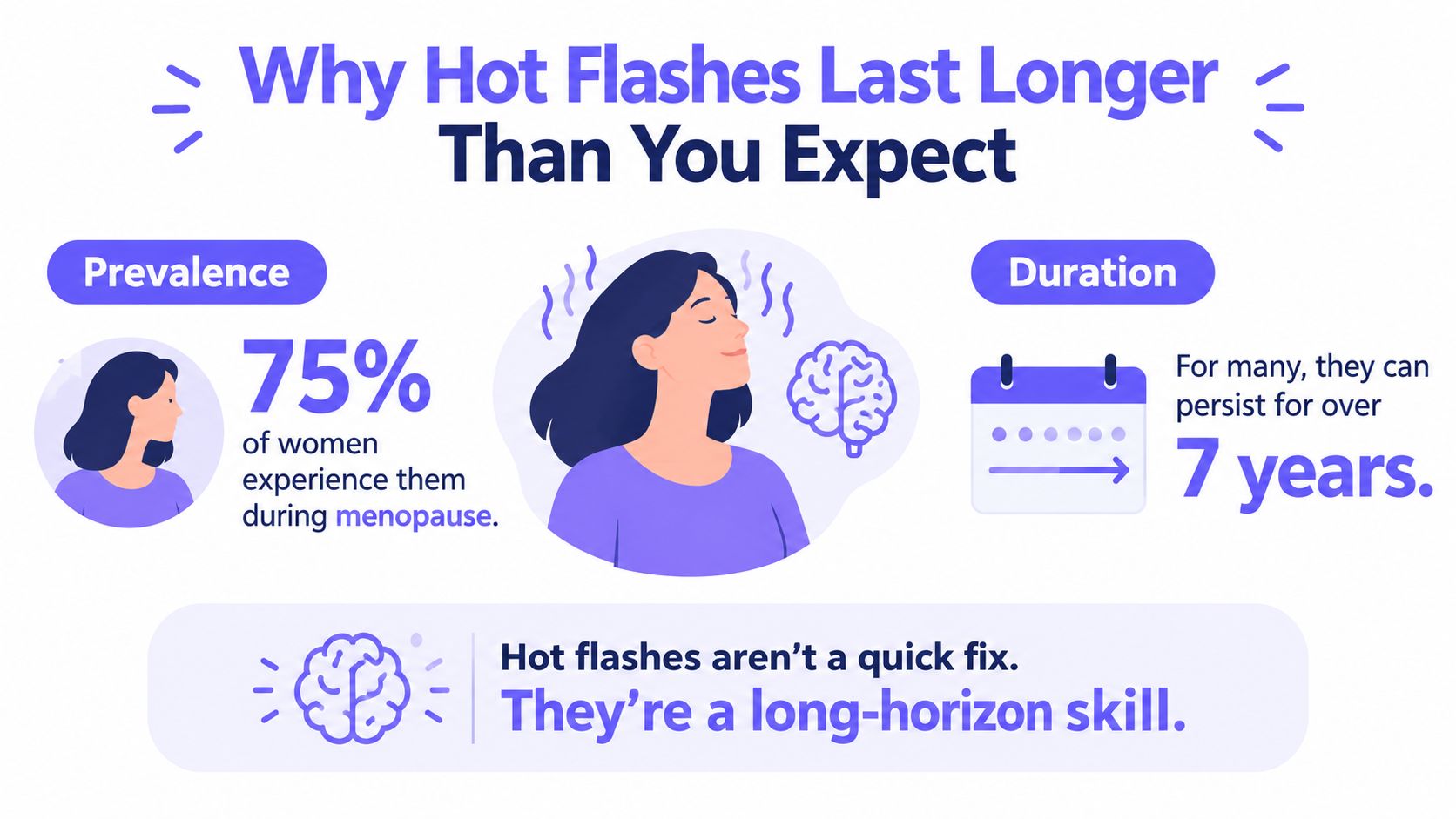
You can have your first hot flash before your final period, while your cycles are still changing. They affect about 75% to 85% of women, and roughly 74% of perimenopausal women report them, according to an NIH review.
A woman in her early 40s or 50s may therefore face symptoms during a transition that has not settled. Each flash feels sudden, but the broader pattern can shift with cycle changes, stress, poor sleep, room temperature, and treatment.
The useful question isn't “How do I stop this forever tonight?” It's “What system will make the next month easier?”
Hot flashes often require a long-horizon plan. Average persistence is about 1 to 6 years, while 10% to 15% of postmenopausal women continue having them for as long as 15 years, according to the same review. Some people improve quickly. Others need to adjust their approach as symptoms change.
Stop chasing the perfect trick
A cooling towel can help during an episode. Breathable sleepwear can make a sweaty night easier. Removing alcohol or a specific spicy meal may reduce flashes for you. These tactics improve comfort, but none confirms that the underlying pattern has disappeared.
Build your plan in layers:
- Pattern awareness: Record when flashes occur and what happened beforehand.
- Comfort tactics: Keep your body and bedroom easier to cool.
- Sleep protection: Shorten the time you remain awake after a night sweat.
- Medical review: Discuss evidence-based treatment if symptoms are moderate, severe, persistent, or harming your quality of life.
This approach also removes unnecessary guilt. If lifestyle changes do not control your symptoms, you have not failed. Evidence for lifestyle-only treatment is limited, and medical options exist because comfort measures do not work well enough for everyone.
Start with a baseline rather than changing five things at once. Once you know your usual pattern, test one variable, measure the result, and keep the strategies that make a clear difference. That turns hot flashes management into an adjustable plan instead of a search for one perfect remedy.
Find Your Triggers and Build a Simple Tracking System
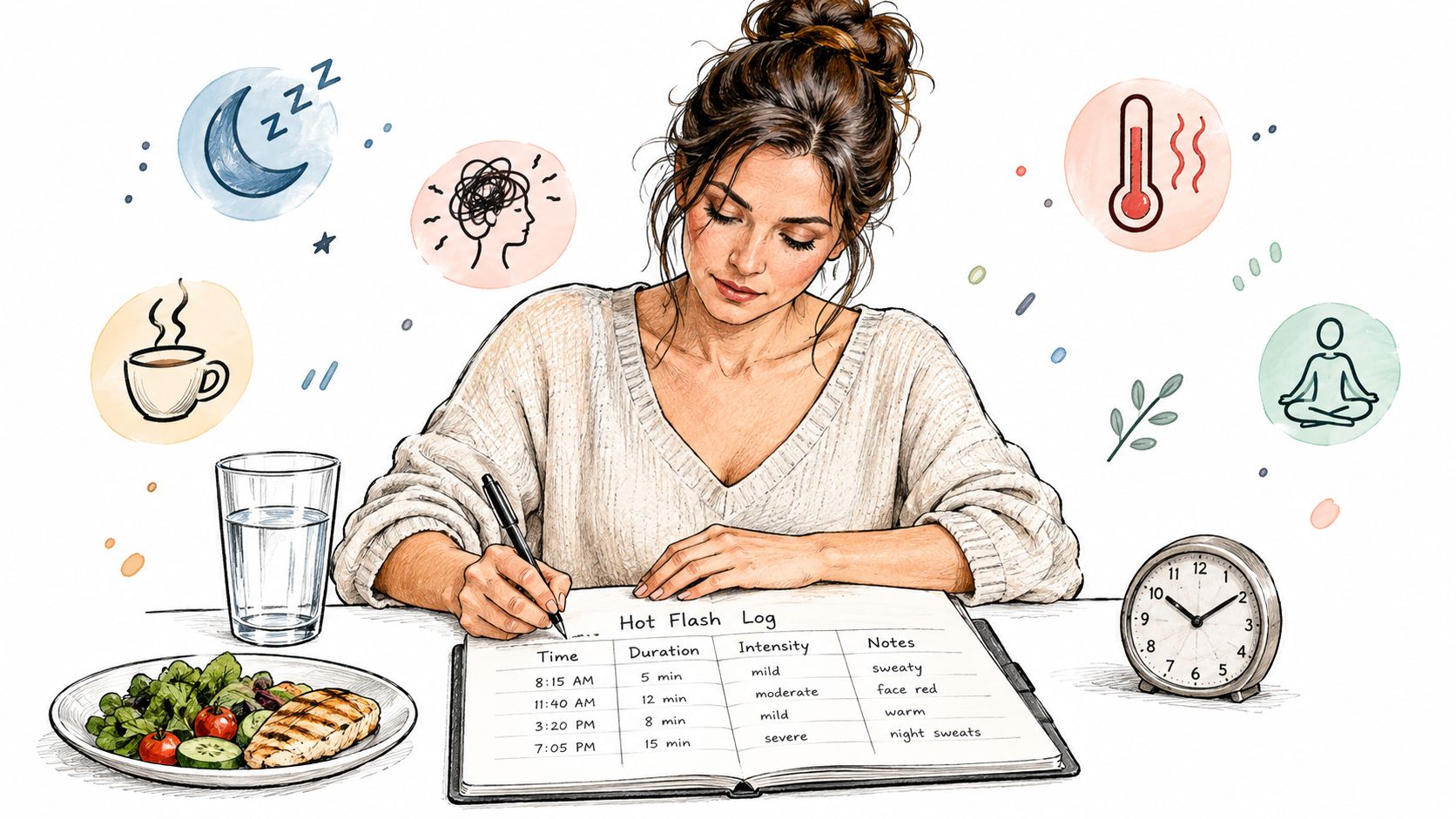
Before cutting out half your diet or buying expensive cooling products, track your symptoms for 7 to 14 days. You're looking for patterns, not perfection.
Record each episode as soon as practical. A quick note is enough:
- Time: Morning, afternoon, evening, or during sleep.
- Intensity: Mild warmth, moderate sweating, or a flash that interrupts activity.
- Context: Work meeting, commute, exercise, shower, argument, or relaxed rest.
- Food and drink: Caffeine, alcohol, hot drinks, spicy food, and the timing of meals.
- Sleep: Bedtime, waking, night sweats, and how rested you feel.
- Cycle and symptoms: Bleeding changes, anxiety, headache, mood, bloating, and energy.
Use the same simple scale every day. For example, mark severity as mild, moderate, or severe. Consistency matters more than detailed prose.
Look for repeatable clues
At the end of the tracking period, review the entries together. You might notice that flashes cluster after poor sleep, occur during stressful conversations, follow hot drinks, or appear in an overheated office. You might also discover that a suspected trigger never appears consistently.
That distinction matters. Generic trigger lists can make you anxious about ordinary life. Your own log helps you focus on the few factors that deserve testing.
Centralizing symptoms, mood, sleep, energy, meals, and cycles makes those connections easier to see. Lila's perimenopause symptom tracking guide can help you organize that information instead of scattering notes across your phone and paper calendar.
Test one change at a time
Choose one likely trigger and change only that factor for several days. If you suspect afternoon caffeine, adjust the timing while keeping meals and bedtime reasonably stable. If you suspect a hot bedroom, change the room setup without simultaneously starting a new supplement.
Then compare your new entries with the baseline. Ask:
- Are flashes happening less often?
- Are they less intense?
- Do they pass more quickly?
- Are you returning to sleep sooner?
- Did the change create a new problem, such as fatigue or irritability?
A trigger shortlist should be small. Keep the changes that improve comfort without making your life unnecessarily restrictive, and stop treating weak patterns as rules.
Daily Habits and Food Tweaks That Help You Stay Cooler
Lifestyle measures can improve comfort and help you feel prepared, but they shouldn't be sold as reliable treatment for vasomotor symptoms. A Mayo Clinic summary of a 2023 evidence review found “no strong evidence” that lifestyle changes relieve hot flashes, with poor evidence for yoga, exercise, and diet; a later review describes lifestyle and complementary approaches as having “variable evidence” (Frontiers review).
Use these habits as support tools, not substitutes for care when symptoms are disrupting your life.
Make the flash easier to handle
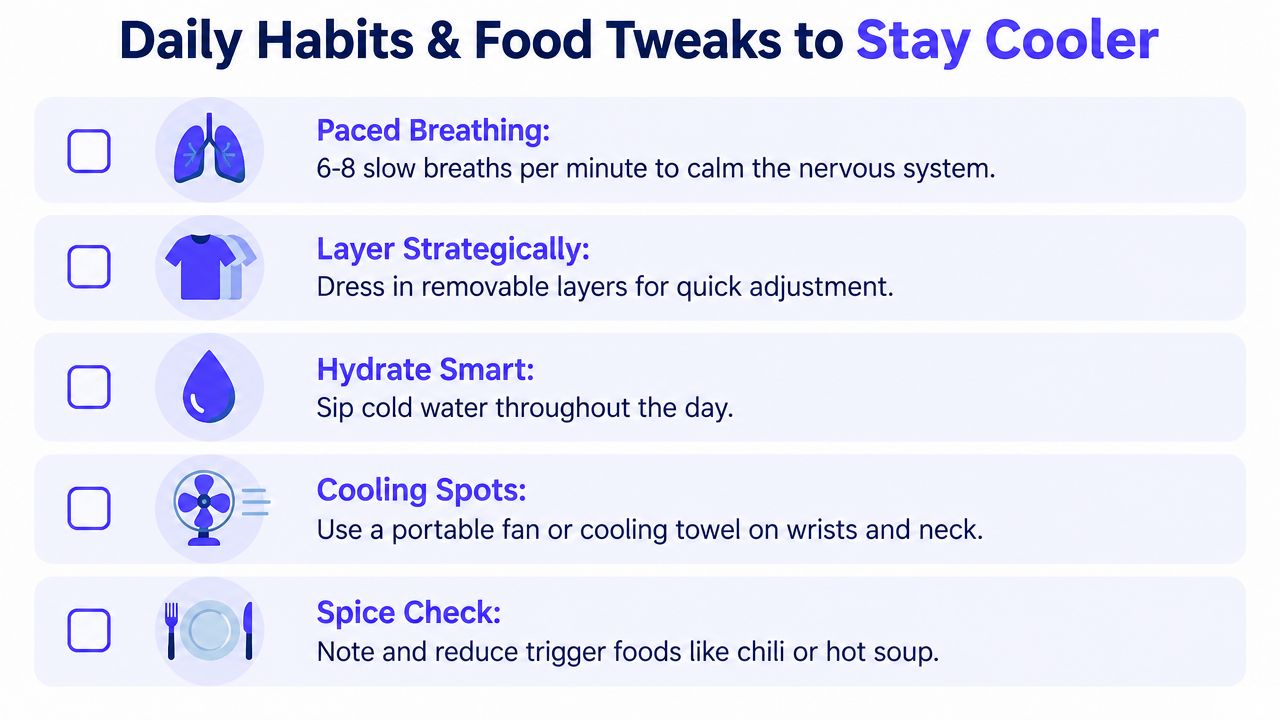
When heat rises, remove friction. Wear a light base layer with a cardigan or jacket you can take off quickly. Keep cold water within reach at your desk, in your car, or beside the sofa. A small portable fan or cooling towel can help you regain comfort without leaving a meeting or interrupting a commute.
Slow breathing may help you stay calmer during the episode. The North American Menopause Society doesn't recommend paced respiration as a treatment for reducing vasomotor symptoms, so don't count breathing exercises as your main symptom therapy. You can still use slow, steady breathing as a coping skill while the flash passes.
Use cooling tools to reduce distress, not to prove that you can manage menopause without medication.
Test food and drink changes carefully
Caffeine, alcohol, hot beverages, and spicy foods are common suspects. They aren't universal triggers, so use your log to decide whether testing them makes sense.
Try practical swaps:
- Replace a very hot lunchtime soup with a warm or room-temperature meal for several days.
- Move coffee earlier if your entries show afternoon or evening symptoms.
- Choose a nonalcoholic drink at one event and compare that night with your usual pattern.
- Note chili, hot sauce, and heavily spiced meals rather than banning every flavorful food.
The aim is a sustainable diet, not a punishment plan. If you're testing several foods at once, you won't know which change mattered.
For meal ideas and a more focused food experiment, review this guide to foods that may support hot flash management. Keep your expectations realistic, because food adjustments may improve comfort without producing a dependable reduction in symptoms.
Time movement and stress strategically
Exercise can support general health and sleep, but strenuous activity may temporarily raise body temperature. If your log shows flashes during workouts, try moving earlier in the day, lowering intensity, or cooling down longer before returning to work.
Stress deserves the same practical treatment. Add a short recovery period after a demanding call, use a fan during a crowded commute, and keep a spare top at work if sweating creates embarrassment. These steps won't correct the hormonal transition, but they can stop one episode from derailing your entire day.
Sleep and Environment Fixes for Fewer Night Sweats
Night sweats become especially destructive when you wake fully, change clothes, replace bedding, and then struggle to cool down. Your first goal is to make the bedroom forgiving enough that a flash doesn't become an hour of lost sleep.
Build a bedroom that resets quickly
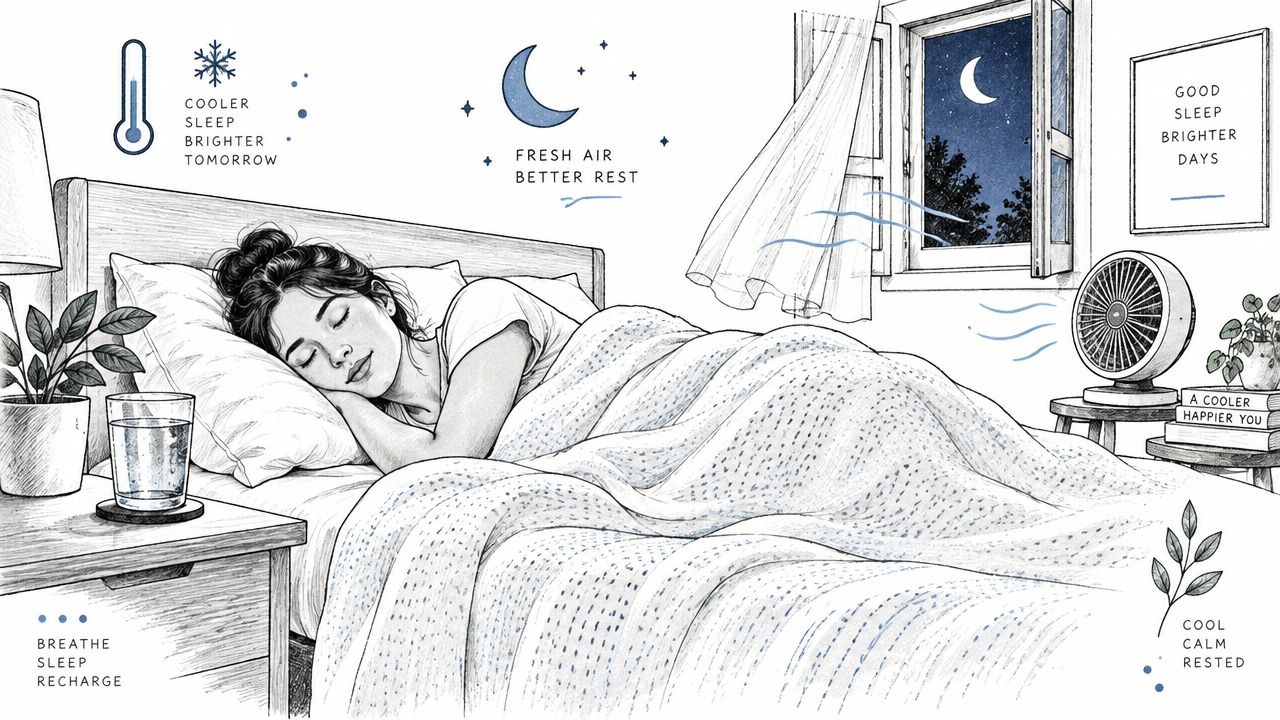
Use breathable bedding and moisture-managing sleepwear. Choose layers you can remove without turning on bright lights, and keep a clean shirt, towel, and water beside the bed. A fan directed across the room can improve airflow, while a slightly open window may help when outdoor conditions allow it.
Protect the mattress as well as your sleep. A moisture-resistant Dri-Tec performance mattress protector can reduce the stress of dealing with sweat and make cleanup simpler. It won't prevent hot flashes, but it can keep one episode from becoming a bedding emergency.
Adjust the evening runway
Heavy meals, alcohol, hot showers, and an overheated room may make your nighttime routine less comfortable. Test an earlier, lighter evening meal, choose a lukewarm shower, and prepare the room before you feel tired.
Avoid turning every night into a laboratory. Pick two changes, use them consistently, and record whether you wake less often or return to sleep faster. A useful outcome is not only fewer sweats. It's also less time awake and less anxiety about the next episode.
When a flash starts at 2 a.m., keep the response quiet and predictable. Remove a layer, take a few sips of cool water, use the fan, and change only what's necessary. Don't check your phone unless you need it, because bright light and scrolling can make your brain more alert.
This practical guide to reducing hot flashes at night can help you turn those steps into a repeatable routine.
▶ PlayFrom OTC Options to Prescription Relief and What to Expect
If hot flashes wake you repeatedly, disrupt work, or strain relationships, stop adding lifestyle hacks without a treatment plan. Hormone therapy remains the most effective established option for eligible patients, and a UCLA Health summary reports reductions of as much as 80%. The Endocrine Society guideline supports an individualized discussion, while our guide to hormone therapy for menopause explains the screening and expectations involved.
Supplements and over-the-counter products require a realistic review. Quality varies, interactions are possible, and evidence is inconsistent, so they are a weak default for severe symptoms. Ask a clinician before using them, particularly with a history of breast cancer, liver disease, blood clots, stroke, or endocrine therapy. The VitzAi.com menopause guide can help you prepare questions, but it cannot replace an individual medication review.
Compare the main options
| Option | Expected reduction | Best for | Key consideration |
|---|---|---|---|
| Hormone therapy | Up to 80% for eligible patients | Moderate-to-severe symptoms when estrogen is appropriate | Requires screening for contraindications and an individualized regimen |
| SSRIs and SNRIs | Often more modest than estrogen, with reviews reporting roughly 20% to 60% improvement across nonhormonal options (nonhormonal treatment review) | People who cannot take estrogen or prefer a nonhormonal approach | Review adverse effects and interactions, including medication-specific tamoxifen concerns |
| Gabapentin | About 54% frequency reduction in the cited expert review | People with nighttime symptoms or a reason to use a medicine that may support sleep | Sleepiness and dizziness can limit use |
| Oxybutynin | Up to 70% to 86% reduction in the cited review | Selected patients after reviewing risks and alternatives | Anticholinergic adverse effects require careful discussion |
| Fezolinetant | RCT-level benefit, generally more modest than hormone therapy | People seeking a targeted nonhormonal option | Medication suitability, monitoring, and interactions must be reviewed |
| OTC supplements | No dependable reduction should be assumed | People with mild symptoms who want to discuss adjuncts | Evidence and product quality vary, and interactions are possible |
Hormone therapy is not appropriate for everyone. Screening should cover prior stroke, breast cancer, venous thromboembolism, coronary disease, active liver disease, unexplained vaginal bleeding, thrombophilia, and active gallbladder disease (comparative hormone therapy review).
Uterine status determines the basic regimen. Estrogen-only therapy is generally reserved for someone who has had a hysterectomy. If you have a uterus, combined estrogen and progestogen reduce endometrial risk. Transdermal estradiol plus progestogen ranked highly in a network meta-analysis for vasomotor symptom relief, so oral and transdermal regimens should not be treated as interchangeable.
Choose nonhormonal treatment with precision
Nonhormonal treatment should match the symptom pattern and your medical priorities. SSRIs and SNRIs can suit someone whose mood symptoms and hot flashes overlap. Gabapentin may fit when nighttime disruption dominates, while fezolinetant targets the neurokinin-3 pathway. Oxybutynin can help selected patients, but its anticholinergic effects deserve a careful risk discussion.
Fezolinetant also shows why medication choices need current clinical review. A phase 3 trial found significantly lower vasomotor symptom frequency than placebo by week 4 and week 12. Ask your clinician about liver considerations, other medicines, breast cancer treatment, and the follow-up plan before starting it.
Do not judge a medicine after one uncomfortable day, yet do not accept intolerable side effects indefinitely. Set the measures, trial period, and reassessment point in advance. Track frequency, severity, sleep interruption, and adverse effects so the decision reflects your actual response rather than memory.
Your Personalized Hot Flash Plan and Next Steps
Build your next 14 days around a small number of deliberate tests. More changes don't create better information. They create confusion.
Start with your baseline from the tracking period, then choose:
- Two or three trigger experiments: Test caffeine timing, alcohol, spicy meals, room temperature, or stress recovery one at a time.
- Two sleep adjustments: Prepare breathable layers, improve airflow, place water beside the bed, or protect the mattress.
- One treatment pathway: Continue behavioral support, discuss CBT, or book a clinician appointment about hormone or nonhormonal therapy.
Measure the outcomes that affect your life. Count episodes when practical, rate severity consistently, and record whether you woke at night and how quickly you returned to sleep. A plan is working if the flashes become less disruptive, even if they don't disappear.
A clinician should evaluate symptoms that are new, unusual, severe, or accompanied by unexplained vaginal bleeding, chest pain, fainting, or other concerning symptoms. If you've had breast cancer, use tamoxifen or an aromatase inhibitor, or have a history of clotting, stroke, heart disease, liver disease, or unexplained bleeding, don't start hormones or supplements without medical guidance.
New nonhormonal options are expanding. Elinzanetant received FDA approval in 2025, and trial reporting found reductions in hot flashes and night sweats of more than 73% by week 12, with roughly 1.4 moderate-to-severe events per day at week 50 compared with 3.5 on placebo (Reuters health report). Availability and suitability still depend on your location, health history, and clinician's assessment.
Use a daily check-in to review what changed, what helped, and what disappointed you. A tool such as Lila's perimenopause symptom relief finder can help you turn those observations into a more organized conversation and next step.
Lila combines daily symptom tracking with a personalized action plan and a 24/7 chat-based coach, helping you connect hot flashes with sleep, meals, stress, energy, mood, and cycles. Use Lila to build a clearer two-week plan, stay accountable, and adjust your hot flashes management approach based on your own patterns.
Get Lila, your personal coach for perimenopause.
Built for women in their 40s. 24/7 coaching, in your pocket.