
Top 8 Food High in Estrogen for Menopause in 2026
Find relief in 2026! Explore 8 powerful food high in estrogen to manage perimenopause symptoms. Get meal ideas and track your progress effectively.
 Michelle
Are you eating a food high in estrogen and still wondering why your hot flashes, sleep disruption, or mood swings haven't changed much? That gap matters. Most advice stops at “eat more soy” or “add flax,” but perimenopause rarely responds to one-off nutrition hacks.
What helps is a pattern. Phytoestrogens are plant compounds that can act a bit like estrogen in the body, and that can be useful during the hormonal swings of the 40s and 50s. They don't work identically for everyone, though. Soy isoflavones, for example, can increase serum estrogen in menopausal women while decreasing estrogen in people who already have high baseline levels because they act like selective estrogen receptor modulators in different tissues and contexts, according to Balance My Hormones on soy isoflavones.
That’s why a practical approach beats a rigid one. You want foods that are realistic to eat often, easy to portion, and simple to track next to symptoms. If you’re also navigating insulin resistance, cravings, or cycle irregularity, the same kind of pattern-based thinking applies in dieting with PCOS.
Below are eight foods that deserve attention. Some are true heavy hitters for phytoestrogens. Others matter because they support blood sugar stability, digestion, and meal consistency, which often determines whether a menopause nutrition plan works in daily life.
1. Soy and Soy Products (Tofu, Tempeh, Edamame)
Want one food to test first if you are trying to see whether phytoestrogens change your hot flashes, sleep, or mood? Start with soy.
Soy foods are the most concentrated practical source of isoflavones in an ordinary diet. A 3.5-ounce serving of firm tofu provides about 20 mg of isoflavones, 1/2 cup of tempeh provides about 18 to 20 mg, and 1/2 cup of edamame provides about 15 mg, according to the Dietitians of Canada guide to isoflavones in foods. That gives you something useful to track. Two servings a day can put many women into the intake range used in menopause studies.
The symptom data is good enough to make soy worth a structured trial. A meta-analysis in Menopause found soy isoflavones reduced hot flash frequency and severity, with stronger effects when intake was consistent and the intervention lasted long enough. In practice, that means soy is less like an instant fix and more like a food you use daily for several weeks before judging it.
A useful visual if you need recipe ideas is below.
▶ PlayWhat to eat and how to make it realistic
Whole or minimally processed soy usually works better than bars, powders, or snacks built around soy isolate. Tofu is the easiest starting point for women who want flexibility. Tempeh suits women who prefer a firmer, nuttier texture. Edamame is often the lowest-effort option because it needs almost no prep.
For lunch: Firm tofu in a stir-fry with broccoli, bell pepper, and rice.
For snacks: Shelled edamame with sea salt and lemon.
For breakfast: Tempeh crisped in a skillet as a savory protein swap.
For dinner: Miso soup and baked tofu if night sweats tend to hit later in the day.
If you want meal ideas that use soy in a repeatable way, this guide to a plant-based diet for menopause is a practical next step.
The trade-offs that matter
Soy does more than add phytoestrogens. It also gives you complete protein, which matters if perimenopause has come with erratic appetite, reduced muscle mass, or a habit of building meals around carbs alone. The FDA health claim on soy protein and heart disease risk also reflects evidence that soy protein can support LDL lowering when it replaces foods higher in saturated fat.
Still, soy is not automatically the best fit for everyone. Some women feel more bloated with larger servings, especially if they jump from almost none to multiple servings a day. Others do not like the texture. Both are workable problems. Start with one serving a day for a week, then increase if symptoms and digestion stay stable.
Tracking helps. Log the type of soy food, portion, and timing, then compare that with hot flashes, breast tenderness, sleep quality, and bloating in the Lila app. Patterns are easier to spot when intake is measured in actual servings instead of a vague plan to "eat more soy."
If you are vegetarian or vegan and need variety beyond tofu and edamame, these best protein sources for vegans can help round out meals without relying on ultra-processed products.
2. Flaxseeds and Ground Flax
Want a phytoestrogen food that is cheap, easy to repeat, and realistic even on busy mornings? Start with ground flax.
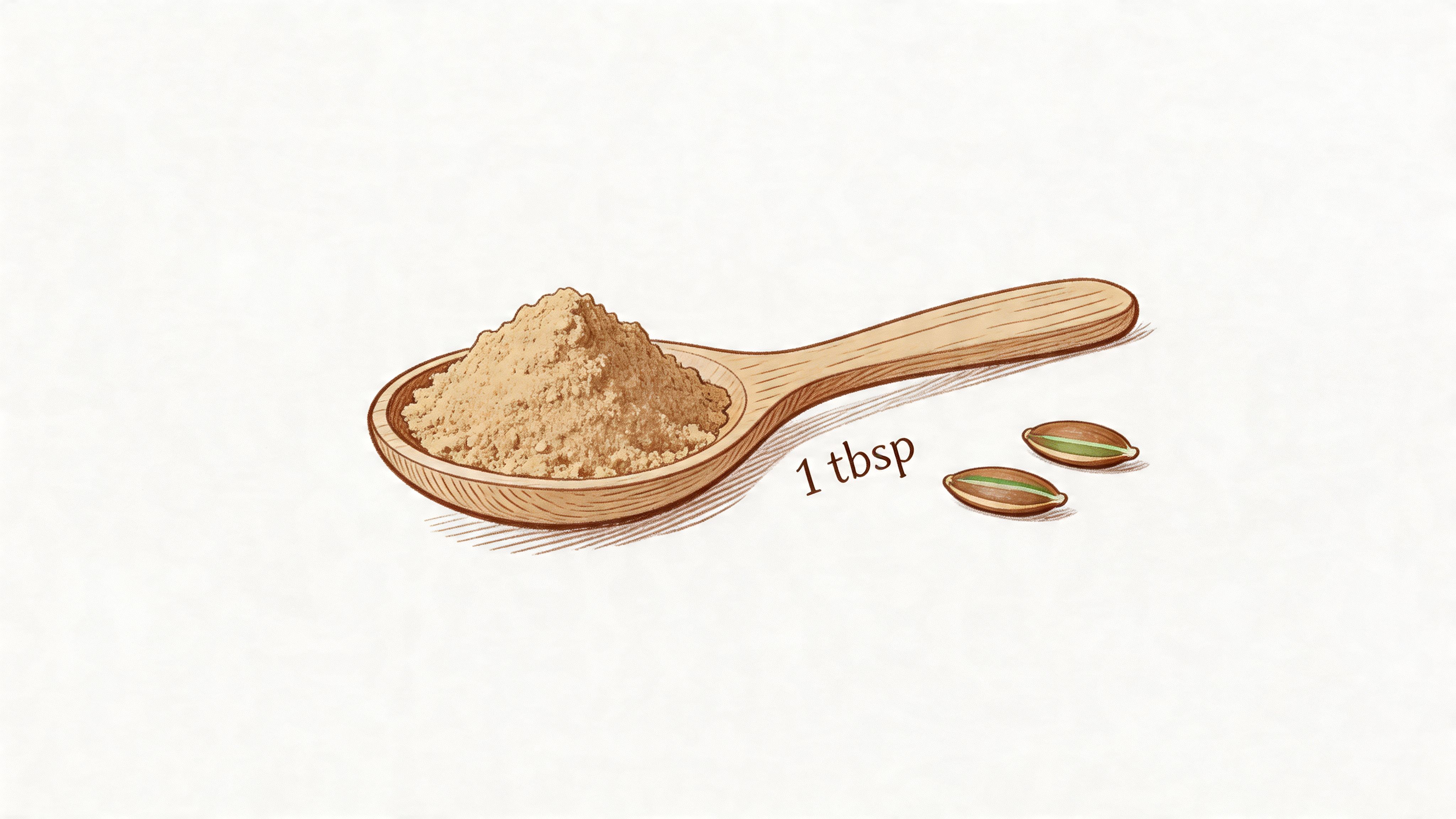
Flax is the richest common food source of lignans, a type of phytoestrogen. Typical values are often cited in the range of roughly 300 to 800 mg per 100 g, so a 1 tablespoon serving does not give a massive dose, but it does give you a meaningful daily exposure you can maintain. That consistency matters because lignans need to be converted by gut bacteria into enterolignans before your body can use them.
Why flax deserves a spot
Flax works well for women who do not want to rebuild their whole diet around one food. It slips into breakfast without much effort, adds fiber that can support cholesterol and bowel regularity, and gives you a practical way to test whether phytoestrogen intake helps your symptoms.
Clinical results are mixed, which is worth being honest about. Some women notice fewer hot flashes or steadier digestion with regular use. Others notice little change in symptoms but still benefit from the fiber, omega-3 fats, and meal structure flax adds. In practice, that is still useful.
Ground flax is usually the better choice. Whole seeds often pass through undigested, so you lose some of the benefit.
A serving that works in real life
Start with 1 tablespoon of ground flax a day. That is enough to test tolerance without creating a sudden jump in fiber. If you feel fine after a week, increase to 2 tablespoons daily.
Good places to use it:
Stir into oatmeal or overnight oats
Mix into Greek yogurt or cottage cheese
Blend into a smoothie with berries
Add to pancake batter or muffin batter
Sprinkle over nut butter toast
I usually suggest breakfast first. A morning routine is easier to repeat than a vague plan to add flax somewhere later in the day.
The trade-offs to watch
Flax helps some women and annoys others at first. Bloating, gas, or a heavy feeling usually means the dose rose too quickly, fluid intake is low, or overall fiber intake has changed too fast. Constipation can also get worse if flax goes up and water does not.
Storage matters too. Ground flax can turn rancid if it sits in a warm pantry for too long. Keep it in the fridge or freezer, and buy smaller bags if you use it slowly.
If you want more meal ideas that pair well with flax, this guide to top foods for menopause support gives you practical combinations rather than isolated ingredients.
How to personalize it
Track the amount, form, and timing. Log whether you used 1 or 2 tablespoons, whether it was ground or whole, and what happened with bloating, bowel habits, hot flashes, sleep, and appetite later that day. The Lila app makes this easier because you can compare symptom patterns against actual servings instead of trying to remember whether you "had some flax this week."
If a food looks good on paper but only shows up twice a month, it will not tell you much. Flax earns its place because it is easy to use often enough to judge whether it is helping.
3. Chickpeas and Legumes (Lentils, Split Peas)
Need a phytoestrogen food that is affordable, filling, and realistic to eat more than once a week? Start with legumes.
Chickpeas, lentils, and split peas do contain phytoestrogens, but their bigger advantage in perimenopause is how well they support stable meals. They add fiber, plant protein, iron, and magnesium in a format that works for soups, salads, curries, spreads, and batch-cooked lunches. For women whose symptoms flare after long gaps between meals or meals built mostly from refined carbs, that staying power matters.
They are also easier to use consistently than many “estrogen-rich foods” lists suggest. Consistency matters if you want to judge whether a food is helping.
A practical serving looks like 1/2 to 1 cup cooked lentils, chickpeas, or split peas, or 1/4 to 1/3 cup hummus. Phytoestrogen content varies by legume type and preparation, so I would not treat chickpeas as a precision tool the way I might with soy or ground flax. I use them more as a reliable middle layer in a phytoestrogen plan. They contribute, but they also keep meals balanced enough that blood sugar swings and rebound hunger do not muddy the symptom picture.
Best ways to use them
Lunch is often the easiest place to make legumes stick because they replace the kind of meal that leaves you raiding snacks by 3 p.m.
Desk-friendly lunch: Lentil soup with a side of fruit and seeded crackers
Fast dinner: Chickpea curry with rice and frozen spinach
Easy snack plate: Hummus, cucumbers, carrots, and pita
Batch-cook option: A pot of split pea soup portioned for the week
I often suggest starting with one repeatable format instead of buying five kinds of beans at once. A single habit, such as hummus with lunch or lentil soup three times a week, gives you cleaner feedback than a pantry overhaul.
A key consideration
Legumes can increase bloating, especially if fiber intake has been low for a long time or digestion is already sensitive. Portion size and preparation make a difference. Canned beans are often easier to tolerate if you rinse them well. Dried beans may sit better if they are soaked and cooked thoroughly. Spices such as cumin, ginger, or fennel help some women, though tolerance is individual.
Perimenopause can make this more frustrating because abdominal pressure and fullness may already be more noticeable. In practice, I usually see better results from keeping the portion steady for 10 to 14 days than from adding legumes aggressively and then cutting them out after two uncomfortable meals.
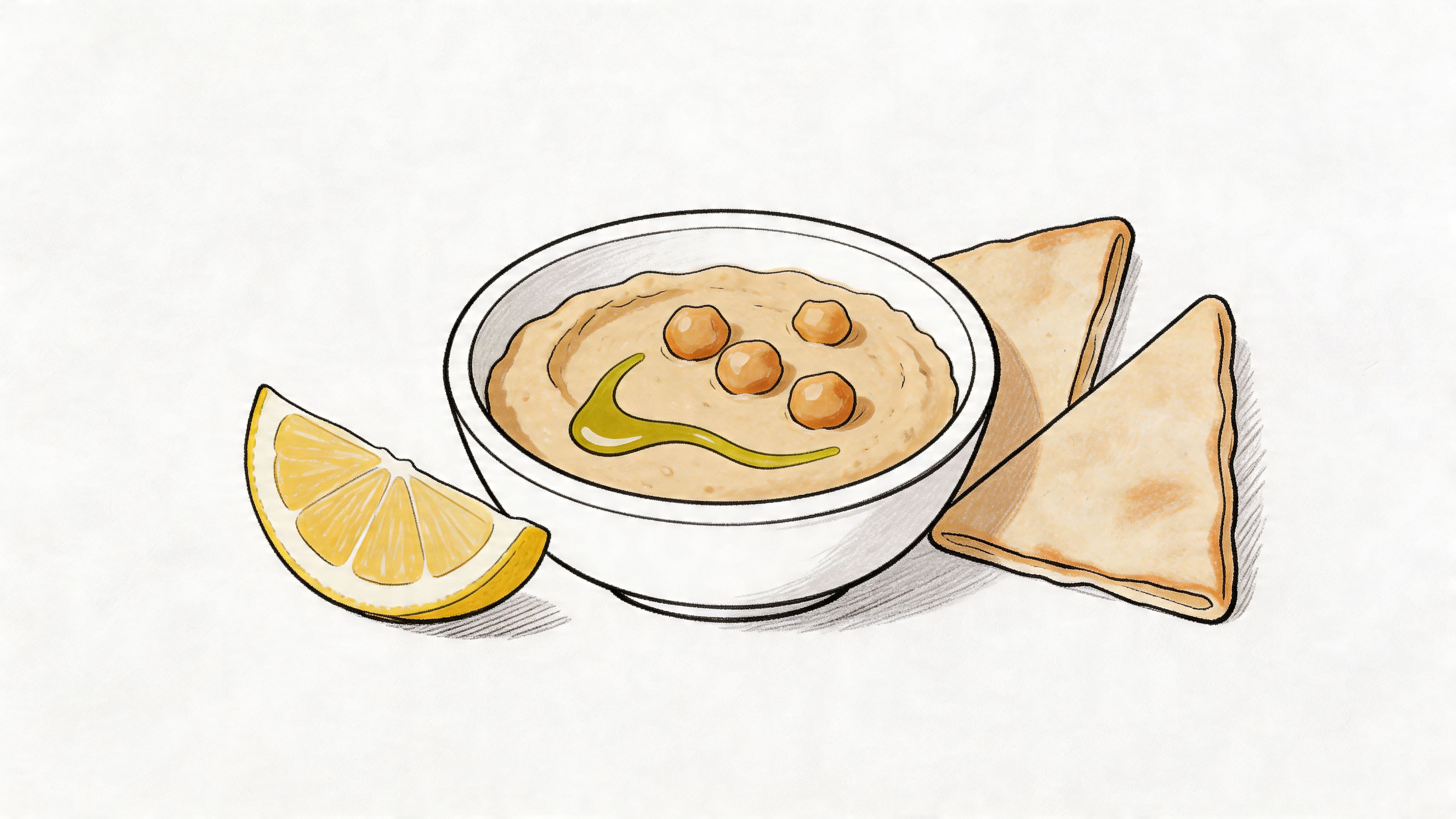
Personalization matters here. If you use the Lila app, log the type of legume, the serving size, and the meal timing. Track what happens with bloating, bowel habits, afternoon hunger, hot flashes, and sleep that night. A 1/2 cup serving of lentils at lunch may work well, while a large chickpea dinner may leave you too full or gassy. That kind of pattern is hard to spot from memory and much easier to adjust once you can see it clearly.
4. Sesame Seeds and Tahini
Could one small condiment make a phytoestrogen plan easier to follow? Sesame often does, especially for women who want more variety than soy-heavy meals and need options that fit into food they already enjoy.
Sesame seeds are a meaningful source of phytoestrogens, mainly lignans. In practical terms, they work best as a steady supporting food rather than the main driver of symptom change. A tablespoon of sesame seeds or tahini will not match the phytoestrogen load of a larger soy serving, but it is easy to repeat, and repeatable habits matter more than ambitious plans you abandon after four days.
Best forms to use
Tahini is usually the easiest entry point. It turns sesame into something you can use several times a week without much effort. Stir it into a lemon dressing, whisk it into a sauce for roasted vegetables, or spread a thin layer on toast with sliced pear or apple.
Whole sesame seeds are useful too, but portion size matters. A light sprinkle adds flavor and texture. A larger amount can be harder to chew, less satisfying, and easy to overpour without noticing. For women tracking intake in the Lila app, this is one of those foods that benefits from logging actual tablespoons instead of guessing.
Easy lunch: Tahini dressing on a grain bowl with greens and leftover salmon, tofu, or chickpeas
Fast dinner: Sesame seeds scattered over stir-fried vegetables and edamame
Snack: Apple slices with tahini and cinnamon
Simple add-on: Toasted sesame on green beans, broccoli, or roasted carrots
What sesame does well, and what it does not
Sesame helps build meals that are more satisfying, and that matters in perimenopause. The fat and flavor can make vegetables, legumes, and proteins easier to eat consistently. Sesame also contributes minerals, including calcium, which gets more attention as bone health becomes a bigger concern.
It is less useful if you expect a dramatic symptom shift from small amounts alone. In practice, sesame is a better supporting player than a headline food for hot flashes. If you are testing whether phytoestrogens help you, use sesame regularly, but track it alongside stronger sources such as soy or flax so you can see what is driving results.
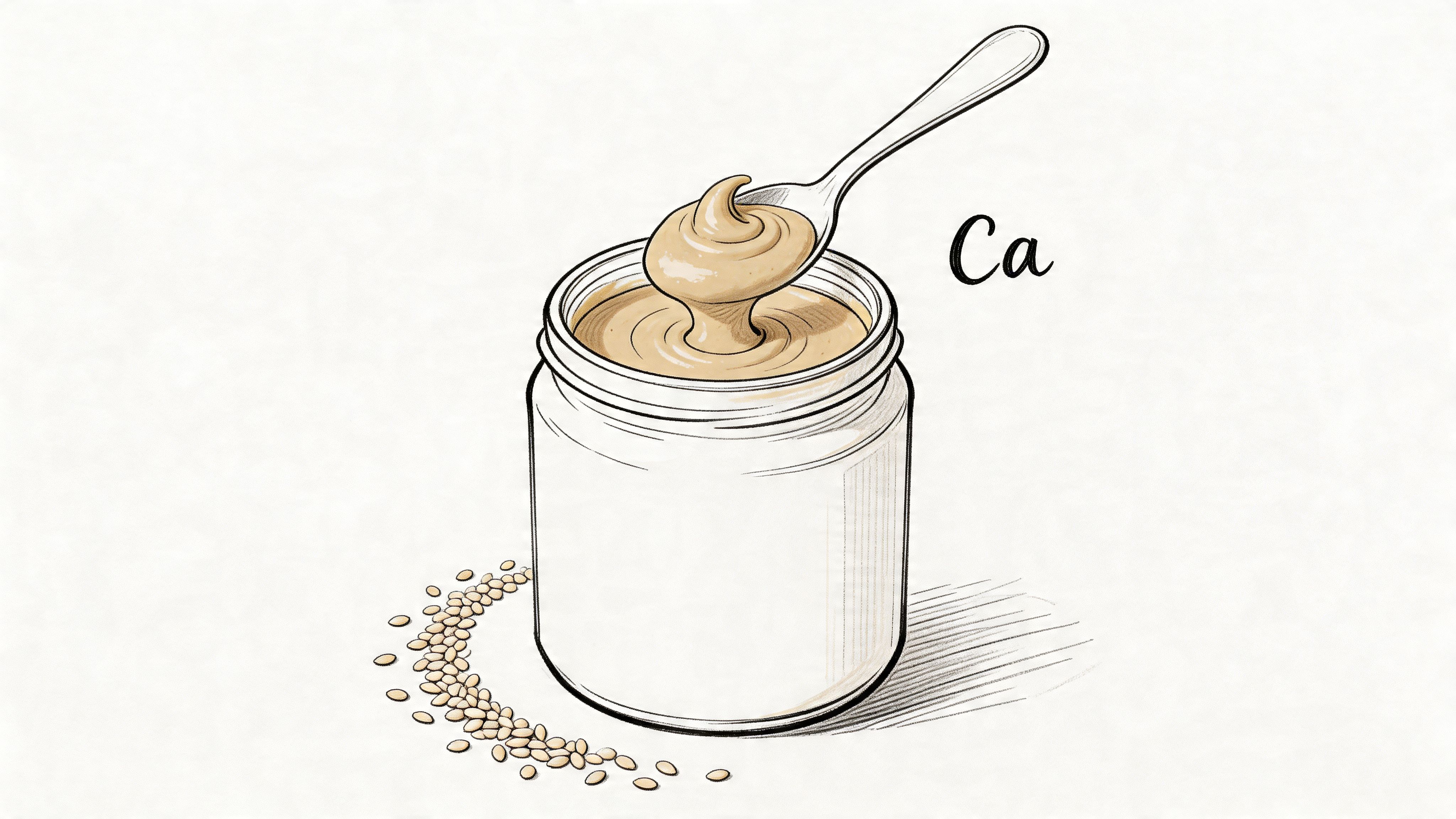
A practical starting point is 1 to 2 tablespoons of tahini or sesame seeds most days of the week. Log the amount, meal timing, and symptoms in Lila for 2 weeks. Watch for patterns in fullness, cravings, bowel comfort, and hot flashes. If tahini at lunch helps you stay satisfied and keeps dinner portions steadier, that is useful data. If it causes reflux or feels too heavy, use less or shift it earlier in the day.
Sesame earns its place because it makes a phytoestrogen pattern easier to maintain. A good tahini sauce can improve a plain meal enough that you will keep eating the foods that support you.
5. Berries (Blueberries, Raspberries, Strawberries)
Berries aren’t the most concentrated food high in estrogen, and that’s exactly why they’re worth discussing. They’re better viewed as supportive foods that pair well with the stronger phytoestrogen sources.
Blueberries and other berries contain polyphenols with estrogenic activity. They also make it easier to build breakfasts and snacks that don’t spike hunger and leave you crashing later. For women whose hot flashes or irritability track closely with poor meal timing, berries can help because they fit into stable meals so easily.
How they help in real life
A bowl of berries alone won’t do much for symptom control if the rest of the meal is weak. Pair them with protein and fat. Greek yogurt with berries and ground flax is one of the simplest examples. Oatmeal with berries, chia, and nuts is another.
That kind of meal does three jobs at once. It adds plant compounds, improves satiety, and reduces the chances that you’ll be scavenging for sugar at 3 p.m.
Breakfast: Blueberries stirred into overnight oats with flax.
Snack: Strawberries with plain yogurt and pumpkin seeds.
Dessert swap: Warm frozen berries over unsweetened Greek yogurt.
Lunch add-on: Raspberries in a salad with walnuts and chicken or tofu.
What berries don’t do
They don’t replace soy or flax if your goal is a more targeted phytoestrogen strategy. They also shouldn’t become “health halo” foods that you eat in smoothies loaded with juice, sweeteners, and no protein.
Keep them simple. Fresh or frozen both work. If fresh berries are expensive or spoil too quickly, frozen bags are usually the more sustainable option. The best berry habit is the one you can maintain through busy weeks, travel, or low-energy days.
6. Red Clover and Herbal Tea (Whole Dried Flower Heads)
Red clover sits in a gray zone between food and botanical support. It’s not a standard grocery staple in the way tofu or oats are, but many women specifically ask about tea-based options for hot flashes and sleep.
The challenge is factual precision. The verified data provided for this article does not include citable red clover dosing or trial outcomes, so it’s better to discuss it carefully and qualitatively. Red clover contains phytoestrogen compounds and is often used as an herbal tea for menopause support, but responses vary and it’s not the first thing I’d start with if your diet is still inconsistent.
When tea can be useful
Tea works well for women who want a daily ritual that signals “the day is winding down.” That can support adherence more than physiology alone. A warm cup in the evening may help you slow down, and routines matter when sleep feels chaotic.
If you choose red clover tea, buy a reputable product with clearly labeled ingredients. Whole dried flower heads are often preferred by people who want less processed herbal preparations, though convenience matters too.
balancing hormones during menopause can help you fit tea into a broader plan instead of treating it like a standalone fix.
Who should be careful
Common sense is important. If you take hormone-sensitive medications, have a personal history of estrogen-sensitive conditions, or aren’t sure how herbal products fit with your care plan, ask your clinician first.
A tea can be supportive without being powerful enough to replace the basics. Start with meals you can repeat, then layer herbs on top if you want to experiment.
I’d also avoid introducing red clover at the same time you ramp up soy, flax, and multiple supplements. If symptoms change, you won’t know what helped.
7. Dried Apricots, Dates, and Dried Figs
Dried fruit is useful, but it’s easy to overrate. Apricots, dates, and figs do contain phytoestrogen-related compounds, and they can be a helpful add-on in a menopause-supportive diet. They are not primary therapeutic foods in the same way soy and flax are.
Where dried fruit really shines is convenience. It travels well, stores easily, and can make a snack feel satisfying enough to prevent the “I’m starving and now dinner is whatever I can grab” spiral.
Smart ways to use dried fruit
The best use is as part of a balanced snack, not as a standalone sugary handful. Pair it with protein or fat so energy holds longer.
Portable combo: Dried apricots with almonds.
Breakfast add-in: Chopped dates in overnight oats with seeds.
Simple plate: Figs with yogurt and tahini.
Comfort option: Stewed dried fruit over plain oatmeal on colder mornings.
The common mistake
People often eat dried fruit like candy, especially when stress and sleep debt are high. Then they blame the food when blood sugar swings or cravings get worse. The issue is usually the context, not the fruit itself.
Use modest portions and place them where they make practical sense. Morning or afternoon tends to work better than late-night grazing if you already notice sleep disruption after heavier carbohydrate snacks.
A good test is simple. If dried fruit makes a snack more balanced and prevents overeating later, keep it. If it becomes a trigger for mindless snacking, use it less often and anchor it to specific meals instead.
8. Whole Grains (Oats, Barley, Wheat Bran)
Whole grains are foundational foods, not headline foods. If your meals are chaotic, low in fiber, or built around refined snacks, adding a true food high in estrogen won’t do much because the rest of the diet is still fighting you.
Whole grains contain lignans and related plant compounds with mild phytoestrogen activity. They also support gut health, meal regularity, and blood sugar stability. That makes them especially useful for women who notice that poor sleep, skipped meals, or big swings in hunger trigger worse symptoms the next day.
Best options to lean on
Steel-cut oats, barley, and wheat bran make more sense than highly refined grain foods. They’re slower, steadier, and easier to pair with other helpful ingredients like flax, berries, nuts, yogurt, eggs, or tofu.
One breakfast I recommend often is simple. Oats cooked with milk or soy milk, then topped with ground flax, berries, and walnuts. It’s not trendy, but it covers a lot of bases.
Breakfast staple: Oats with flax and berries.
Lunch support: Barley added to vegetable soup.
Fiber add-on: Wheat bran stirred into yogurt.
Dinner idea: Barley with mushrooms and roasted vegetables.
What works and what doesn’t
What works is intact or minimally processed grain eaten as part of a meal. What usually doesn’t work is assuming all “grain products” help equally. Instant pastries, sugary granola bars, and refined crackers don’t offer the same support.
If you aren’t used to much fiber, increase whole grains gradually. Too much too fast can mean bloating, gas, or that heavy uncomfortable feeling that makes people abandon the plan altogether.
Comparison of 8 Estrogen-Rich Foods
Which of these foods is worth repeating week after week, and which ones are better treated as supporting players? The table below compares the eight main options by phytoestrogen type, practical serving size, symptom focus, and the trade-offs that matter in perimenopause.
Item | Typical phytoestrogen content per serving | 🔄 Implementation complexity | ⚡ Resource requirements & prep | ⭐ Expected outcomes | 📊 Ideal use cases | 💡 Key advantages / Tips |
|---|---|---|---|---|---|---|
Soy and Soy Products (Tofu, Tempeh, Edamame) | High isoflavone source per standard serving | Low | Moderate. Widely available, minimal cooking for tofu or edamame. Tempeh can take more effort to find and prepare well | ⭐⭐⭐. Best-studied food option for hot flashes and often the most practical first test | Women who want a daily protein swap, are tracking hot flashes, or need support for muscle and bone | Usually the strongest anchor food in a phytoestrogen plan. Aim for a consistent serving rather than jumping between many soy foods at random. Whole or minimally processed forms tend to work better than soy desserts or bars |
Flaxseeds and Ground Flax | Very high lignan content, especially when ground | Low | Low cost. Needs grinding unless bought pre-ground, and storage matters because fats can oxidize | ⭐⭐⭐. Often useful for hot flashes, bowel regularity, and general diet quality | Women who want an easy breakfast add-in or need help increasing phytoestrogen intake without changing lunch and dinner much | Ground flax is far more useful than whole flax. Start small if digestion is sensitive. I usually suggest mixing it into oats, yogurt, or smoothies and keeping the amount steady for at least 1 to 2 weeks |
Chickpeas and Legumes (Lentils, Split Peas) | Moderate isoflavones and lignans, depending on the legume | Medium | Low cost. Canned options save time. Dry beans need soaking or longer cooking if tolerance is an issue | ⭐⭐. Less targeted for hot flashes than soy, but very helpful for blood sugar stability, fullness, and overall symptom support | Women whose symptoms worsen with energy crashes, skipped meals, or reactive snacking | A smart foundation food. If beans cause bloating, use canned lentils, smaller portions, or split peas first. Tolerance often improves when intake increases gradually |
Sesame Seeds and Tahini | Moderate lignan source | Low | Low to moderate cost. Very easy to use in dressings, sauces, and snacks, but portions add up quickly | ⭐⭐. Helpful as a support food, especially in diets that also need more calcium, minerals, and flavor variety | Women building better lunches and dinners who do not want another major cooking task | Tahini is convenient, but it is easy to overshoot portions. Use it to make foods more repeatable, not as the only phytoestrogen strategy |
Berries (Blueberries, Raspberries, Strawberries) | Lower phytoestrogen content than soy, flax, or sesame. Rich in polyphenols | Low | Moderate cost fresh. Frozen is often the better buy and works just as well in yogurt, oats, or smoothies | ⭐⭐. More of a support food than a primary intervention | Women focused on cognitive support, appetite regulation, or building a breakfast that is easy to repeat | Berries rarely do enough on their own for hot flashes. They earn their place because they pair well with flax, soy yogurt, or oats and make the routine easier to keep |
Red Clover and Herbal Tea (Whole Dried Flower Heads) | Concentrated isoflavones compared with many whole foods | Medium | Low to moderate cost. Requires daily brewing and product quality varies a lot | ⭐⭐ to ⭐⭐⭐. Some clinical trials suggest benefit for hot flashes, but response is inconsistent | Women who want a non-soy option or are testing a targeted herbal approach | Use it like a structured trial, not a casual tea. Keep the brand, dose, and frequency consistent. Women with estrogen-sensitive conditions should check with their clinician first |
Dried Apricots, Dates, and Dried Figs | Lower phytoestrogen content, with some supportive mineral content | Low | Low cost, shelf-stable, no prep | ⭐. Better as a supporting food than a lead strategy | Women who need portable snacks, help with constipation, or a sweeter option that still adds some nutritional value | Useful, but easy to overeat. Pair with nuts, yogurt, or another protein source if blood sugar swings are a problem |
Whole Grains (Oats, Barley, Wheat Bran) | Mild lignan and related phytoestrogen activity | Medium | Low cost. Cooking time varies, though oats are usually easy to fit into a routine | ⭐⭐. Broad metabolic support with mild direct phytoestrogen effect | Women who need steadier meals, better fullness, and fewer symptom-triggering hunger swings | Whole grains work best as the base that makes the rest of the plan more tolerable and repeatable. They are rarely the main driver of symptom change by themselves |
A practical way to read this table is simple. Soy and flax usually deserve the first trial if symptom reduction is the main goal. Legumes, sesame, berries, whole grains, and dried fruit often help more by making meals steadier, improving fiber intake, and giving you enough routine to see whether the stronger foods are working.
Red clover sits in a separate category. It can be useful, but I treat it more like a targeted botanical experiment than a food habit.
If you use the Lila app, track three things together. The food, the serving size, and the symptom you care about, such as hot flashes, sleep disruption, breast tenderness, bloating, or energy. That is how you stop guessing. Two women can eat the same phytoestrogen-rich meal pattern and get very different results, so the best plan is the one you can repeat and measure.
Creating Your Personal Phytoestrogen Plan
Integrating foods high in estrogen into your diet works best when you stop treating them like miracle ingredients and start treating them like repeatable inputs. That shift changes everything. Instead of asking, “What’s the single best menopause food?” ask, “Which two or three foods can I eat often enough to notice a pattern?”
For most women, the simplest starting point is one primary phytoestrogen food and one support food. Soy and flax are often the strongest anchors because they have the clearest evidence and are easy to build into meals. Then add practical supporters like legumes, berries, sesame, or whole grains based on your taste, schedule, and digestion.
People usually go wrong. They add soy milk, flax, a supplement, an herbal tea, and three new breakfast recipes in the same week. Then they feel bloated, overwhelmed, or unchanged, and they assume none of it works. That’s not a fair test. It’s just too many moving parts.
A better approach is slower and much more useful. Pick one breakfast change and one lunch or dinner change. Keep them steady. If you try tofu, use the same serving style for a week or two. If you add flax, keep the amount consistent before deciding whether it’s helping. Your body needs enough repetition for a signal to emerge.
Tracking matters because phytoestrogens can have bidirectional effects. One woman notices fewer hot flashes with soy. Another feels more bloated and does better with flax and legumes instead. Neither response is “wrong.” The whole point is to find your threshold, your tolerance, and your best timing.
What you track should stay simple enough that you’ll do it. Focus on a short list:
Meals eaten consistently: Did you include the food?
Hot flashes or night sweats: Better, worse, or unchanged.
Sleep quality: Especially waking overnight.
Mood and irritability: Notice whether steadier meals help.
Bloating and digestion: Important with flax, legumes, and whole grains.
Energy stability: Especially mid-morning and late afternoon.
Don’t ignore the non-food side either. A food high in estrogen won’t compensate for chronic under-eating, erratic sleep, high alcohol intake, or meals that leave you hungry an hour later. The best outcomes usually come from pairing phytoestrogen foods with enough protein, enough total food, and better blood sugar stability across the day.
There’s also no need to eat every item on this list. If you hate tofu, skip it and use edamame or tempeh. If flax upsets your digestion, reduce the amount or pivot to soy and sesame. If dried fruit triggers overeating, use berries instead. The plan should fit your real life, not a perfect-looking grocery cart.
One more practical point. If you have a history of estrogen-sensitive conditions, take medications that interact with hormone pathways, or your symptoms are severe and changing quickly, bring your clinician into the conversation. Food can support symptom management, but it doesn’t replace medical evaluation when that’s needed.
The women who do best with this approach usually aren’t the most strict. They’re the most observant. They build a few solid meals, repeat them, notice what changes, and adjust from there. That’s how you turn broad advice into something personal and useful.
Lila makes this process much easier to follow in real life. Instead of guessing whether soy, flax, or whole grains are helping, you can log meals, symptoms, sleep, mood, energy, and cycles in one place, then spot patterns over time. If you want a practical, personalized way to test what helps your hot flashes, bloating, sleep disruption, or mood shifts, Lila gives you structure without making the process feel overwhelming.
Get Lila, your personal coach for perimenopause.
Built for women in their 40s. 24/7 coaching, in your pocket.


