
8 Natural Remedies for Dizziness During Menopause
Find evidence-based natural remedies for dizziness during menopause. Learn about herbs, vitamins, and lifestyle changes to manage vertigo and feel stable again.
 Michelle
That sudden tilt when you stand up. The quick wave of lightheadedness in the grocery store aisle. The odd sense that your body is just a little less steady than it used to be. Menopause can make dizziness feel random and unnerving, especially when no one warned you it might show up alongside hot flashes, sleep disruption, or mood changes.
You are not imagining it. Hormonal shifts during perimenopause and menopause can affect the inner ear, the brain, blood pressure regulation, and the nervous system. Approximately 25 to 30% of perimenopausal and postmenopausal women experience dizziness on a weekly basis, and fluctuating estrogen appears to be a core reason because it directly affects inner ear and brain function, as described in this review of natural remedies for dizziness during menopause.
In practice, dizziness in menopause is rarely caused by one thing alone. Hormonal fluctuation is the backdrop, but dehydration, poor sleep, blood sugar swings, anxiety, and reduced resilience in the nervous system often pile on. That is why the best natural remedies for dizziness during menopause do not work as isolated hacks. They work best as a layered plan.
I usually frame this through three systems. First, the vestibular system, which governs balance. Second, the HPA axis, which shapes your stress response and can intensify dizziness when you are already anxious or depleted. Third, mitochondrial health, because low cellular energy can make the whole system less resilient. When those systems are supported together, women often feel more stable, not just less dizzy.
The good news is that there are practical, evidence-based options worth trying. Some are fast and simple, like hydration and ginger. Others are more foundational, like magnesium, vitamin D, or stress regulation. And because symptoms can fluctuate from day to day, tracking matters. A tool like Lila can help you connect patterns such as poor sleep, missed meals, hot flash days, or stress spikes to the dizziness itself, so you can stop guessing and start personalizing what helps.
1. Ginger Root Supplementation
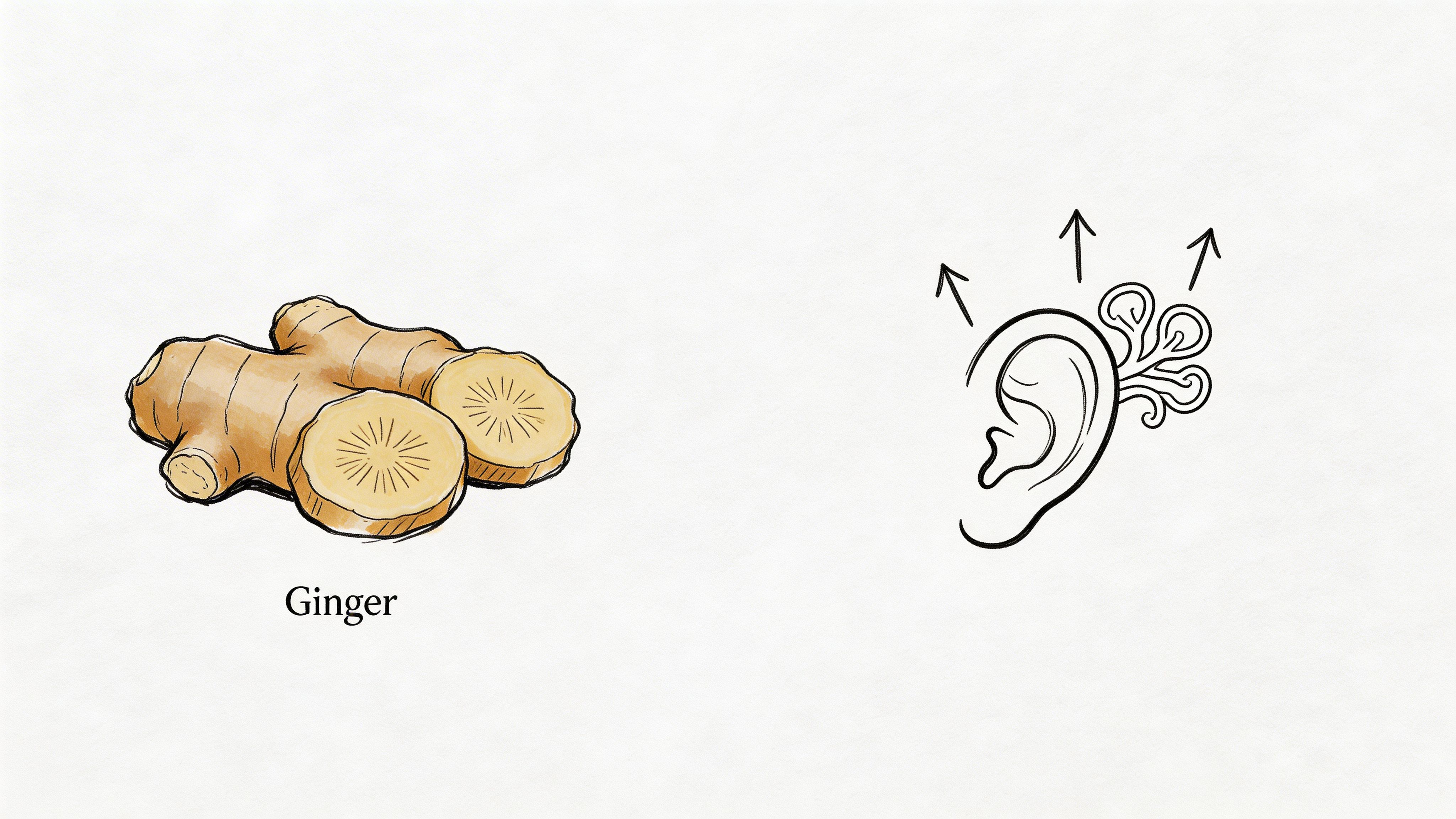
You stand up from your desk, the room tilts a little, and your stomach drops with it. That combination of lightheadedness and queasiness is one of the situations where ginger earns its place early in the plan.
Ginger is most useful when menopausal dizziness has a vestibular-plus-digestive feel. In practice, that often means mild vertigo, motion-sickness sensations, nausea after a hot flash, or a wave of feeling unsteady when stress and poor eating have already lowered your threshold. Ginger does not correct hormonal fluctuation itself, but it can calm one of the downstream effects. It helps settle the nausea pathways that often make dizziness feel more intense and harder to function through.
When ginger works best
I get the best results with ginger when the pattern looks like this:
Nausea with imbalance: The dizziness comes with a rolling stomach or that “off on a boat” sensation.
Post-meal or travel-like symptoms: The episode feels similar to motion sickness or worsens with movement.
Stress-sensitive flares: Symptoms show up more on days with poor sleep, skipped meals, or a taxed nervous system.
This distinction is important because ginger is a symptom reliever, not a full menopause protocol. If dehydration, blood sugar swings, orthostatic blood pressure changes, or chronic sleep loss are driving the problem, ginger may take the edge off without changing the pattern underneath.
Fresh ginger tea is a good starting point. Capsules are easier if you want a repeatable dose and cleaner tracking. For women who react strongly to supplements, I usually start with food-form ginger because it is simpler to titrate and easier to stop.
Trade-offs to consider
Ginger is generally low-risk, but it still has limits. Some women with reflux or a very sensitive stomach find it irritating. Others notice only partial relief because the nausea improves while the underlying disequilibrium remains.
A practical routine often looks like this:
Tea first: Steep fresh grated ginger in hot water and sip it slowly as symptoms start.
Capsules for consistency: Use a standardized supplement if you want day-to-day comparability.
Track the trigger pattern: Note whether it helps more after hot flashes, during stressful days, or when meals are delayed.
If ginger helps quickly but the dizziness keeps cycling back, that usually points to a larger menopause pattern involving hormones, HPA axis strain, or energy instability.
In that context, Lila becomes useful. Logging dizziness, nausea, meals, hydration, sleep, and hot flashes in one place makes it easier to see whether ginger helps or whether it only works on certain days. Pairing symptom tracking with a more targeted supplement plan, such as these supplements for women over 40, can shorten the trial-and-error phase and help you match the remedy to the physiology driving the symptom.
2. Black Cohosh Extract
Black cohosh has the strongest menopause-specific track record of any herb on this list. It is not just a general wellness botanical. It has been studied directly in menopausal symptom clusters, which matters when dizziness shows up as part of a broader hormonal picture.
A 2023 review of 22 randomised controlled trials found that black cohosh significantly improved overall menopause symptoms, including hot flushes and somatic symptoms such as dizziness, according to this review on natural remedies for the menopause.
Why it can help dizziness
Black cohosh makes the most sense when dizziness appears alongside clear hormonal instability:
hot flashes
night sweats
sleep disruption
irritability
waves of feeling “off” without a clear external trigger
In those cases, I think of it less as a vertigo remedy and more as a hormonal calming agent. If hormonal volatility is aggravating the nervous system and vestibular system, reducing that volatility can indirectly improve steadiness.
The same review reported that black cohosh remedies improved menopause symptoms by 26% in targeted studies. That does not mean every woman gets 26% less dizziness. It means the herb has meaningful menopause-specific evidence and is worth considering when your symptoms travel as a group.
What works and what usually does not
Black cohosh tends to work better when you take it consistently and judge it over several weeks, not a day or two. It is not the right herb for “I need relief in the next hour.” Ginger is better for that.
It also works best when you pair it with the basics:
Sleep support: Poor sleep can overpower any benefit from herbs.
Hydration: Hormonal dizziness worsens quickly when fluid intake is low.
Symptom logging: Pattern recognition matters.
For women comparing options, Lila’s guide to supplements for women over 40 is a useful companion because it helps place black cohosh in the wider context of symptom-specific support.
The main trade-off is this: black cohosh is often more helpful for women whose dizziness sits inside a classic menopause symptom cluster than for women whose dizziness is mainly positional, meal-related, or dehydration-related. If your room spins when you roll over in bed, black cohosh may not be the most direct answer. If your dizziness rises and falls with hot flashes, stress, and sleep disruption, it is far more compelling.
3. Magnesium Glycinate Supplementation
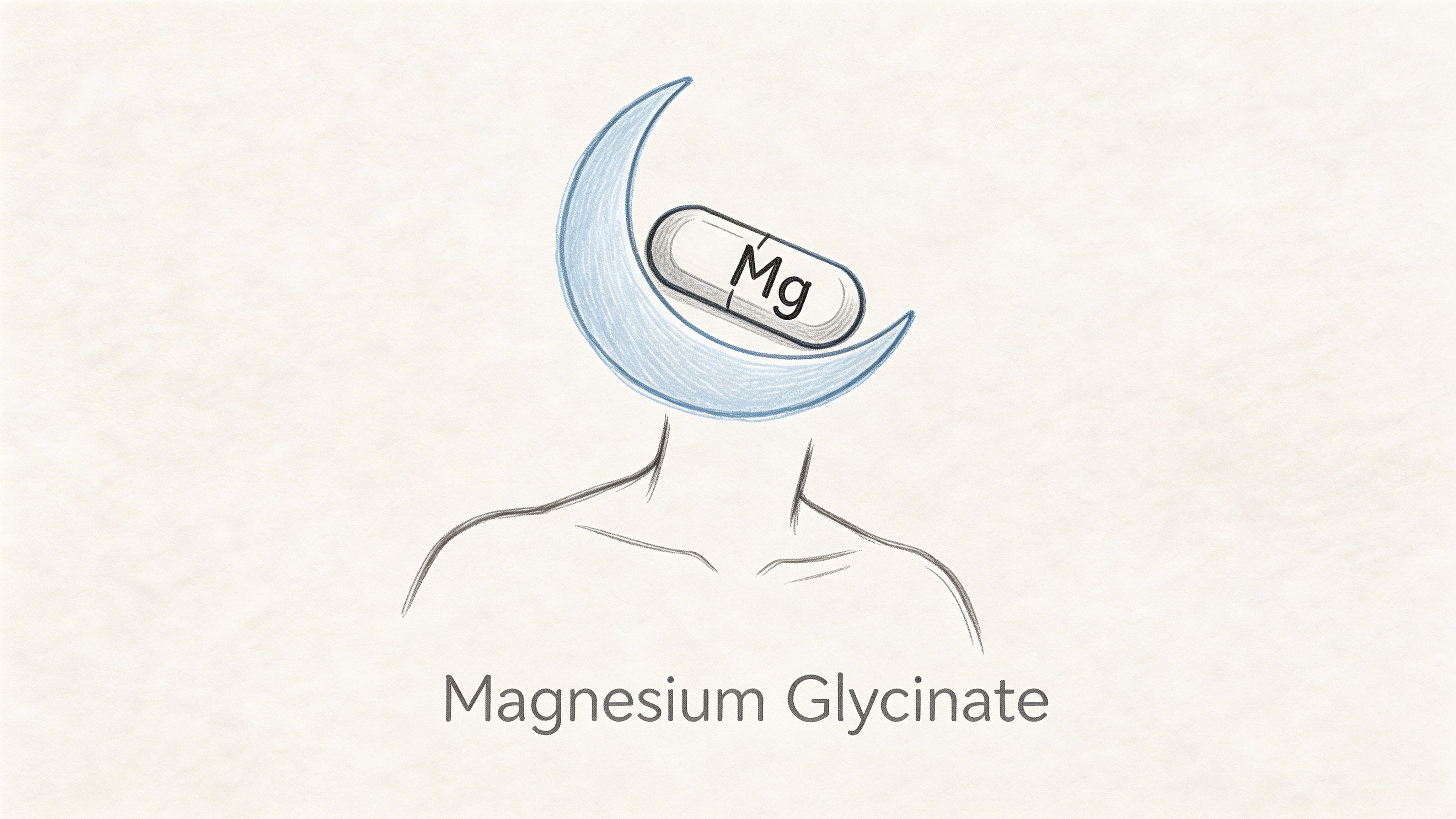
Magnesium is less glamorous than herbs, but in practice it is one of the best foundational supports for menopause-related dizziness.
Why? Because magnesium helps regulate neuromuscular function and blood pressure. During menopause, both matter. If your nervous system is overreactive, your muscles are tight, your sleep is poor, and your blood pressure regulation is less stable, dizziness becomes much easier to trigger.
Why magnesium earns a place in most plans
The strongest practical argument for magnesium is not that it is flashy. It is that it supports several systems at once:
Nervous system steadiness: Helpful when dizziness worsens with stress or overstimulation.
Muscle relaxation: Useful if neck tension or jaw tension seems to accompany symptoms.
Blood pressure regulation: Relevant for women who feel dizzy when standing up quickly.
The evidence set provided for this article also notes that vitamin D and magnesium supplementation support neuromuscular function and blood pressure regulation, helping prevent falls. That matters because balance problems during menopause are not just uncomfortable. They can affect confidence and safety.
Glycinate versus other forms
If I am choosing one form for a woman in midlife who is dizzy, tense, and sleeping poorly, magnesium glycinate is often the easiest place to start. It is usually gentler than some other forms and fits the pattern of menopause-related nervous system irritability well.
What magnesium does not do well is provide immediate rescue relief during an active spinning episode. Think of it as background stabilization, not an an emergency tool.
A few practical signs magnesium may be a good fit:
You feel wired and tired
Your sleep is shallow or broken
Dizziness is worse after stress
You get muscle tightness, headaches, or palpitations with it
Magnesium is often the remedy women skip because it seems too basic. Then it ends up being the thing that makes the rest of the plan work better.
Careful supplement tracking is advisable here. In Lila, logging sleep quality, stress, bowel tolerance, and dizziness together can show whether magnesium is helping the whole terrain, not just one symptom. If your steadiness improves as your sleep deepens, that is useful feedback. If nothing changes, you pivot.
4. Ginkgo Biloba Leaf Extract
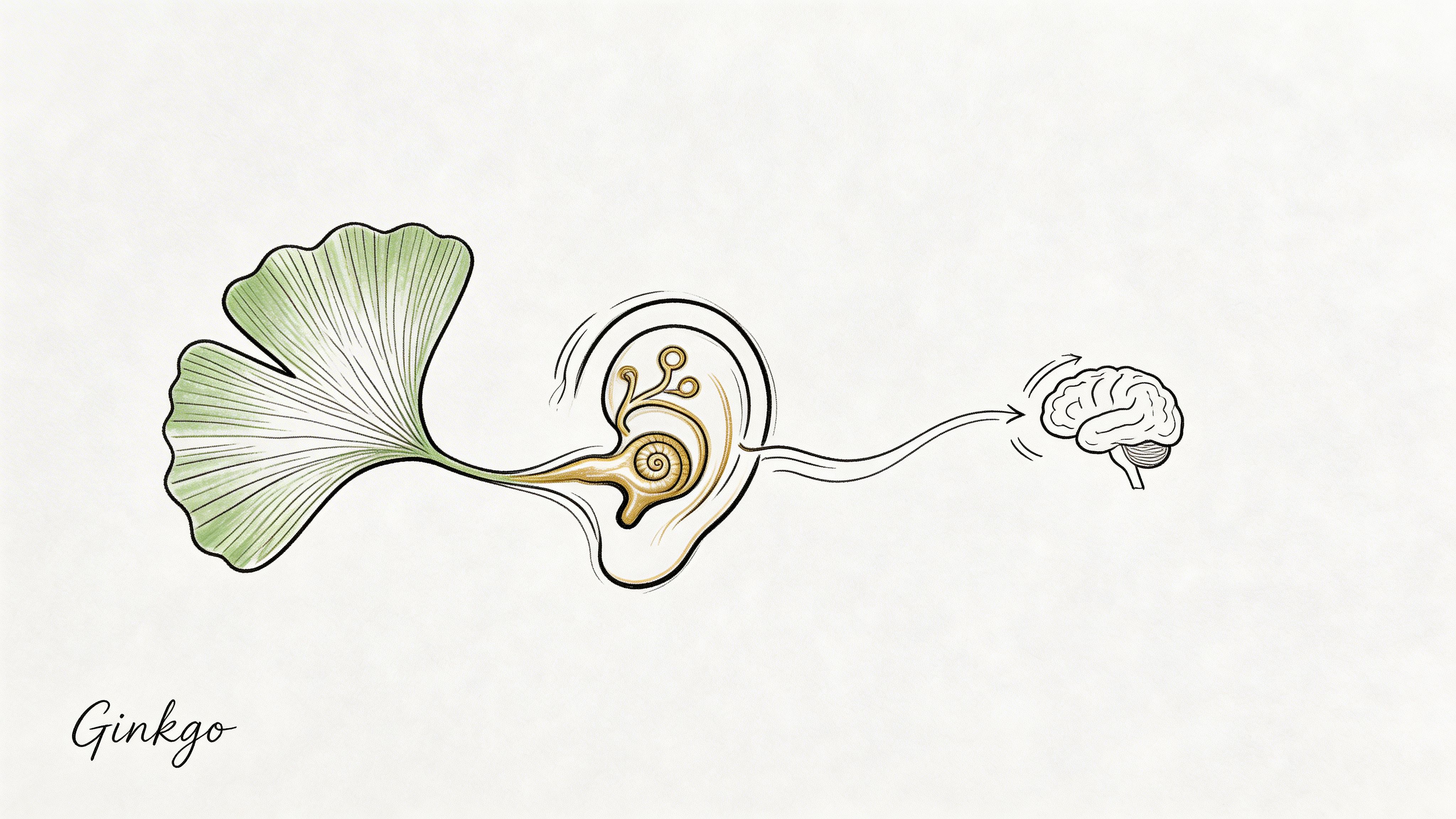
Ginkgo biloba is one of the more targeted options when dizziness feels circulatory or “heady,” meaning you feel lightheaded, foggy, or vaguely disconnected rather than nauseated.
Its proposed role is straightforward. Ginkgo may improve blood circulation to the brain and inner ear, and that is why it has been commonly recommended for vestibular complaints. The same background evidence also makes an important point: recent evidence reviews show mixed results for ginkgo’s effectiveness for vertigo. That is exactly how I would present it clinically. Promising mechanism, inconsistent payoff.
When I would consider ginkgo
Ginkgo is a better fit when a woman says things like:
“I get lightheaded when I have been sitting too long.”
“It feels like my head is floating.”
“I feel foggy and off balance together.”
“Hydration helps a bit, but not enough.”
The rationale is especially relevant because the vestibular system is sensitive to hormonal fluctuation, and blood flow to the brain and inner ear may be part of the symptom picture.
The limitation most articles skip
Ginkgo is often overpromised. It is not a guaranteed vertigo fix. The evidence is mixed, and that means I rarely use it alone. I prefer it inside a broader plan that also addresses hydration, stress, sleep, and blood sugar stability.
That multimodal approach matters because menopause dizziness often has both hormonal and psychological components. If a woman is stressed, sleeping poorly, and underhydrated, a circulation-focused herb may underperform.
A practical way to test it is to use careful pattern tracking:
Log positional triggers: standing, bending, turning, or long meetings
Log hydration on the same day
Log mental clarity with the dizziness
If a woman notices that ginkgo days feel sharper and steadier, that is meaningful. If the dizziness remains tied to panic, hot flashes, or skipped meals, the better target may be elsewhere.
I see ginkgo as a selective tool, not a universal one. Helpful for some. Neutral for others. Worth a structured trial if the symptom profile matches.
5. Vitamin D3 Supplementation
Vitamin D3 is often overlooked in conversations about dizziness because people associate it with bones first. In reality, it also matters for neuromuscular function and balance.
When menopause affects steadiness, I want to support the systems that keep the body physically oriented and resilient. Vitamin D belongs in that category, especially if a woman also feels weak, achy, or less confident in her balance than she used to.
Why it matters for menopausal steadiness
The evidence set for this article notes that vitamin D and magnesium together support neuromuscular function and blood pressure regulation. That combination is one reason they often belong near the base of a natural care plan.
This is not a dramatic supplement. It is a foundational one. If the terrain is depleted, the body has a harder time compensating when hormones fluctuate.
Women who may want to consider vitamin D support include those who:
spend little time in sunlight
feel physically depleted
have poor muscle recovery
notice worsening balance or shakiness
What vitamin D can and cannot do
Vitamin D is unlikely to stop a spinning sensation in the moment. It is not a rescue remedy. It is a background support that may improve how stable and resilient you feel over time.
That distinction matters because many women try a supplement for a week, feel no immediate difference, and assume it does nothing. In practice, foundational nutrients often have a more subtle effect.
A practical approach looks like this:
Ask for testing through your clinician: guessing is less useful than knowing your baseline.
Pair it with magnesium when appropriate: these nutrients often make more sense together than separately.
Track the bigger picture: not just dizziness, but falls, muscle steadiness, fatigue, and sleep.
For women using Lila, this enables data to become more than a diary. If better consistency with supplements lines up with better energy, fewer “wobbly” days, and improved recovery after hot flashes or poor sleep, you start seeing whether vitamin D is part of your answer.
The women who benefit most are often not the ones looking for a dramatic overnight shift. They are the ones rebuilding a steadier baseline.
6. Coenzyme Q10 Supplementation
CoQ10 belongs in the conversation when dizziness comes with fatigue, low stamina, or that heavy, drained feeling many women report in midlife.
This is the mitochondrial piece. Menopause can feel like a hormonal event, but it is also an energy regulation event. When cellular energy is low, the nervous system, vascular system, and brain often become less tolerant of stress, skipped meals, poor sleep, and heat. Dizziness shows up faster.
Why CoQ10 is different from the other remedies
CoQ10 is not primarily about hormone mimicry or vestibular soothing. It is about energy production. That makes it especially relevant for women who say:
“I feel dizzy when I am exhausted.”
“Everything gets worse in the afternoon.”
“If I push too hard, I feel weak and unsteady.”
“The dizziness comes with brain fog.”
That symptom pattern suggests reduced resilience more than a purely positional or nausea-driven problem.
The practical fit
I think of CoQ10 as a strategic add-on, not a universal first step. If someone is clearly dehydrated, skipping meals, and sleeping badly, I would fix those first. If she has already covered the basics and still feels fragile, fatigued, and dizzy, CoQ10 becomes more interesting.
A few smart use cases:
Fatigue plus dizziness: stronger fit than dizziness alone
Post-exertional wobbliness: symptoms after busy days or workouts
Brain fog overlap: especially when mental fatigue and physical unsteadiness come together
Lila’s article on menopause fatigue relief is useful if your dizziness is inseparable from energy crashes, because fatigue often drives the rest of the symptom spiral.
This remedy does have a trade-off. It may be very helpful for the woman whose system feels underpowered, and much less impressive for the woman whose dizziness is mostly vestibular, anxiety-based, or related to sudden position changes. It is a good example of why personalization matters. The right remedy depends on the pattern, not the trendiness of the supplement.
7. Adaptogenic Herbs Rhodiola and Ashwagandha
Some menopausal dizziness is not just hormonal. It is hormonal plus stressed, hormonal plus under-slept, hormonal plus hypervigilant. Adaptogens can earn their place in such cases.
I do not reach for rhodiola or ashwagandha because they are fashionable. I use them when the symptom pattern suggests HPA axis dysregulation. In plain terms, the stress response has become too reactive. The body swings into alarm easily. Then the dizziness feels worse because the brain interprets it as a threat, and the cycle feeds itself.
The stress-dizziness loop is real
The evidence set here notes that mindfulness-based stress reduction reduced menopause-related anxiety and improved hormone levels. That is useful because it validates the clinical pattern many women feel every day: stress does not create all menopause dizziness, but it absolutely amplifies it.
Adaptogens fit best when symptoms cluster like this:
dizziness rises during emotionally intense days
palpitations or shakiness show up with it
sleep is lighter during stressful weeks
the body feels “on edge” for no obvious reason
Rhodiola often fits women who feel depleted but wired. Ashwagandha often fits women who feel tired, tense, and hard to settle at night.
What works best in real life
Adaptogens work better when paired with actual nervous system practices. If a woman takes ashwagandha but keeps running on caffeine, sleeping five hours, and white-knuckling through stress, the payoff is often modest.
A stronger plan combines herbs with simple regulation tools:
Breathing practice: even brief downshifting can help reduce symptom escalation.
Gentle movement: yoga and walking often calm the system better than intense exercise on bad days.
Daily tracking: stress, sleep, and dizziness need to be viewed together.
If dizziness appears mostly on your most stressed, overstimulated, or sleep-deprived days, treat the stress physiology as part of the diagnosis, not a side note.
An app like Lila is especially useful here. It lets women correlate mood, sleep, symptom severity, and daily habits. That often reveals whether adaptogens are supporting the underlying problem or whether the body needs a different intervention altogether.
8. Integrated Hydration and Electrolyte Optimization
A common menopause pattern looks like this: a woman wakes after night sweats, grabs coffee, gets busy, drinks water late, and then feels lightheaded by noon. In practice, that is often less about a single herb deficiency and more about fluid regulation failing to keep up with hormonal change.
Menopause shifts the terrain. Hot flashes, sweating, sleep disruption, appetite changes, and fluctuating cortisol can all reduce fluid reserve or increase losses. For some women, the issue is not low water intake alone. It is low sodium, poor meal timing, or a mismatch between sweating and replacement. That matters because the brain is very sensitive to drops in blood volume and changes in blood pressure, especially when standing up quickly.
Why hydration alone sometimes falls short
Plain water helps, but it does not always solve the problem. I see this often in women who are drinking “enough” yet still report dizziness, fatigue, headaches, or that washed-out feeling after a hot flash.
Electrolytes deserve attention if dizziness tends to show up with:
heavy sweating from hot flashes or exercise
dry mouth on waking after night sweats
lightheadedness when standing
salt cravings
afternoon fatigue or headache
low appetite, especially on stressful days
Those clues suggest a fluid balance issue, not just a hydration issue. The distinction matters.
What works in real life
Start earlier in the day. Waiting until symptoms hit usually means you are already behind.
A practical plan looks like this:
Front-load fluids: drink water in the morning, ideally with breakfast rather than after several hours of caffeine.
Add minerals when losses are higher: use an electrolyte packet, mineral broth, or water with a small pinch of salt and citrus on heavy sweat days.
Pair fluids with food: protein and mineral-rich meals often improve stability more than water alone.
Spread intake across the day: large boluses can increase urination without improving steadiness.
Track the pattern: note whether dizziness follows night sweats, workouts, skipped meals, or long stretches without fluids.
Products like LMNT or Liquid I.V. can be useful, though some women do better with lower-sugar or lower-sodium options depending on blood pressure, medications, and taste tolerance. Homemade options work too. Broth, leafy greens, yogurt, potassium-rich produce, and salted meals can all support repletion.
This is one of the easiest remedies to personalize with symptom tracking. A woman who logs dizziness, hot flashes, meals, hydration, and sleep for even two weeks often sees the trigger pattern clearly. For a broader framework, Lila’s guide to managing perimenopause naturally shows how to connect hydration, nutrition, daily habits, and symptom data into one plan.
The trade-off is simple. Aggressive hydration can backfire in women with hypertension, kidney disease, heart failure, or those taking medications that affect sodium or fluid balance. In those cases, the right plan is targeted hydration, not more hydration.
I rarely skip this step. If dizziness improves within a few days of better fluid and electrolyte replacement, that is useful clinical information. If it does not, the tracking still helps narrow the next question, whether that is blood sugar instability, vestibular dysfunction, anemia, or another menopause-related driver.
8 Natural Remedies Compared for Menopausal Dizziness
Remedy | Implementation Complexity 🔄 | Resource & Cost ⚡ | Expected Outcomes ⭐📊 | Ideal Use Cases 💡 | Key Advantages ⭐ |
|---|---|---|---|---|---|
Ginger Root Supplementation | Low: easy oral forms; potency varies by form | Low: fresh, tea or capsules widely available | Fast onset for nausea/vertigo; clinical trials show a significant number of responders for motion-related symptoms | Acute dizziness with nausea; short-term symptom relief and preventive daily use | Fast-acting, well-researched, multi-symptom (nausea, circulation) benefits |
Black Cohosh Extract | Moderate: consistent use for 4-6 weeks; contraindications exist | Moderate: standardized extracts recommended; brand selection matters | Moderate improvement in vasomotor-triggered dizziness; studies show a notable reduction for some individuals | Menopause with hot flashes or sleep-related dizziness; non-HRT alternative | Extensive clinical history; addresses multiple menopausal symptoms |
Magnesium Glycinate Supplementation | Low-Moderate: simple dosing (start low, titrate); few GI issues | Low: affordable, widely available; minimal monitoring | Strong for sleep/anxiety/muscle-tension causes; significant improvement within weeks reported for many individuals | Dizziness linked to muscle tension, poor sleep, anxiety, or suspected deficiency | High bioavailability, improves sleep/anxiety, low side-effect profile |
Ginkgo Biloba Leaf Extract | Moderate: standard dosing (120-240mg); quality varies; bleeding risk with anticoagulants | Moderate: standardized extracts needed for consistency | Clinically proven to improve cerebral/vestibular circulation; a notable reduction in vertigo severity over weeks | Postural or cerebral hypoperfusion-related dizziness and cognitive symptoms | Enhances microcirculation and cognitive clarity; dual vascular/neuro benefits |
Vitamin D3 Supplementation | Moderate: requires baseline 25(OH)D test; effects over months | Low: inexpensive but testing advised; fat for absorption | Foundational correction often yields large improvements; severe deficiency linked to vestibular dysfunction | Women with confirmed deficiency or as a foundational therapy alongside other supplements | Addresses root cause (deficiency); broad systemic benefits (bone, mood, vestibular) |
Coenzyme Q10 (CoQ10) Supplementation | Moderate: daily dosing (100-300mg); lipophilic absorption; weeks to months | Higher: relatively expensive; best taken with fat | Improves mitochondrial/vascular function; measurable dizziness and energy gains in 4-12 weeks | Fatigue-related dizziness, statin users, metabolic contributors to imbalance | Restores cellular energy, cardiovascular support, synergizes with Mg and D3 |
Adaptogenic Herbs (Rhodiola & Ashwagandha) | Moderate: specific dosing/timing; 2-4 weeks to benefit; variable effects | Moderate: standardized extracts recommended | Reduces stress/anxiety-triggered dizziness for many individuals within weeks | Stress- or cortisol-related dizziness, poor sleep, mood-driven symptoms | Targets HPA axis, improves resilience, sleep and mood simultaneously |
Integrated Hydration & Electrolyte Optimization | Low: low-tech but requires consistent habits and tracking | Low: cost-effective; electrolyte products optional | Immediate, measurable relief often within hours; reported 30–40% reduction when optimized | Dehydration/hot-flash or sweat-related dizziness; foundational intervention before others | Rapid effect, foundational and synergistic with all other supplements |
Your Personalized Path to Stability
Dizziness during menopause can feel unpredictable, but the body usually leaves clues. The challenge is that those clues are spread across systems. Hormones fluctuate. The inner ear becomes more reactive. Sleep gets lighter. Stress hits harder. Hot flashes drain fluid. Blood pressure regulation can feel less forgiving. Then one morning you stand up and feel the room tilt.
That is why the most effective natural remedies for dizziness during menopause are rarely one-off fixes. They work best as a layered plan.
Start with the basics first. Hydration and electrolytes belong there. So do regular meals, because a body that is underfueled gets more vulnerable to lightheadedness fast. Magnesium and vitamin D often make sense as foundational supports, especially if your symptoms include tension, poor sleep, shakiness, or reduced physical steadiness.
Then add the remedy that best matches your pattern.
If your dizziness comes with nausea or motion-sick feelings, ginger is a smart first trial. If your dizziness rises and falls with hot flashes, sleep disruption, and the broader hormonal roller coaster, black cohosh may fit better. If your symptoms feel more circulatory, foggy, or heady, ginkgo is worth considering, with the honest caveat that results are mixed. If fatigue is wrapped around the whole picture, CoQ10 may support the energy side of the equation. If stress and anxiety clearly intensify your episodes, adaptogens and mindfulness-based stress reduction may be more valuable than another vestibular supplement.
Trade-offs also matter in this context. Some remedies help quickly but incompletely. Ginger can be great for symptom relief in the moment, but it may not touch the hormonal driver. Some remedies are more systemic and slower. Magnesium, vitamin D, and CoQ10 often build resilience over time rather than changing your day in an hour. Some remedies are best used selectively. Ginkgo may help one woman a great deal and do very little for another. That does not make it a bad remedy. It means the fit matters.
One other point matters just as much as supplements: know when natural care is not enough. New, severe, or persistent dizziness deserves medical evaluation, especially if it comes with chest pain, neurological symptoms, severe headache, or fainting. Menopause can cause dizziness, but it should never become an excuse to ignore something serious.
Personalization is where women often go from frustrated to relieved. Instead of trying five things at once and guessing what helped, choose one or two strong fits. Give them a fair trial. Track the timing. Track sleep, stress, hydration, meals, movement, and symptom severity alongside them. If a remedy works, keep it. If it does not, move on without guilt.
That feedback loop is powerful.
That is why I like a data-driven approach so much. It replaces vague impressions with patterns. An app like Lila can help you connect your daily habits to your symptoms in a way that is hard to do in your head alone. You start to see whether your dizzy days follow bad sleep, missed meals, high stress, or hot flash-heavy days. You see whether magnesium improves your sleep enough to reduce next-day lightheadedness. You see whether ginger helps only when nausea is present. That feedback loop is powerful.
The goal is not perfection. It is steadiness. A more stable nervous system. Fewer surprises. More confidence in your body again. With the right combination of natural remedies for dizziness during menopause, many women can build exactly that, one consistent habit at a time.
If you want help turning symptom guessing into a clear daily plan, Lila is built for exactly that. The app helps you track dizziness, sleep, mood, energy, meals, cycles, and other menopause symptoms in one place, then turns that data into personalized guidance you can use. For women trying to figure out which remedies are helping and which triggers keep setting symptoms off, that kind of day-to-day clarity can make relief come faster.
Get Lila, your personal coach for perimenopause.
Built for women in their 40s. 24/7 coaching, in your pocket.


