Effective Ways To Curb Sugar Cravings In Perimenopause
Learn why perimenopause causes intense sugar cravings. Get actionable, hormone-aware strategies for diet, sleep, and stress to curb sugar cravings effectively.
 Michelle
By 4 p.m., you may feel steady one minute and laser-focused on chocolate the next. You ate lunch. You know the craving isn’t purely about hunger. Still, your brain keeps bargaining: just one cookie, just one handful, just something sweet so you can get through the rest of the day.
That experience is common in perimenopause, and it isn’t a character flaw. If you want to curb sugar cravings, generic advice like “use more willpower” or “just stop eating sweets” usually misses the underlying issue. In this stage of life, cravings are often tied to hormone shifts, unstable blood sugar, stress load, poor sleep, and a brain that’s getting louder reward signals from sugar than it used to.
The good news is that cravings can become much more manageable when you address the drivers underneath them. That means less focus on punishment and more focus on physiology, timing, and pattern recognition.
Why Perimenopause Makes Sugar Cravings Feel Unstoppable
A lot of women notice the same pattern. Afternoon energy drops. Patience gets thinner. Mood feels off. Then sugar starts calling your name with a level of urgency that feels out of proportion to the situation.
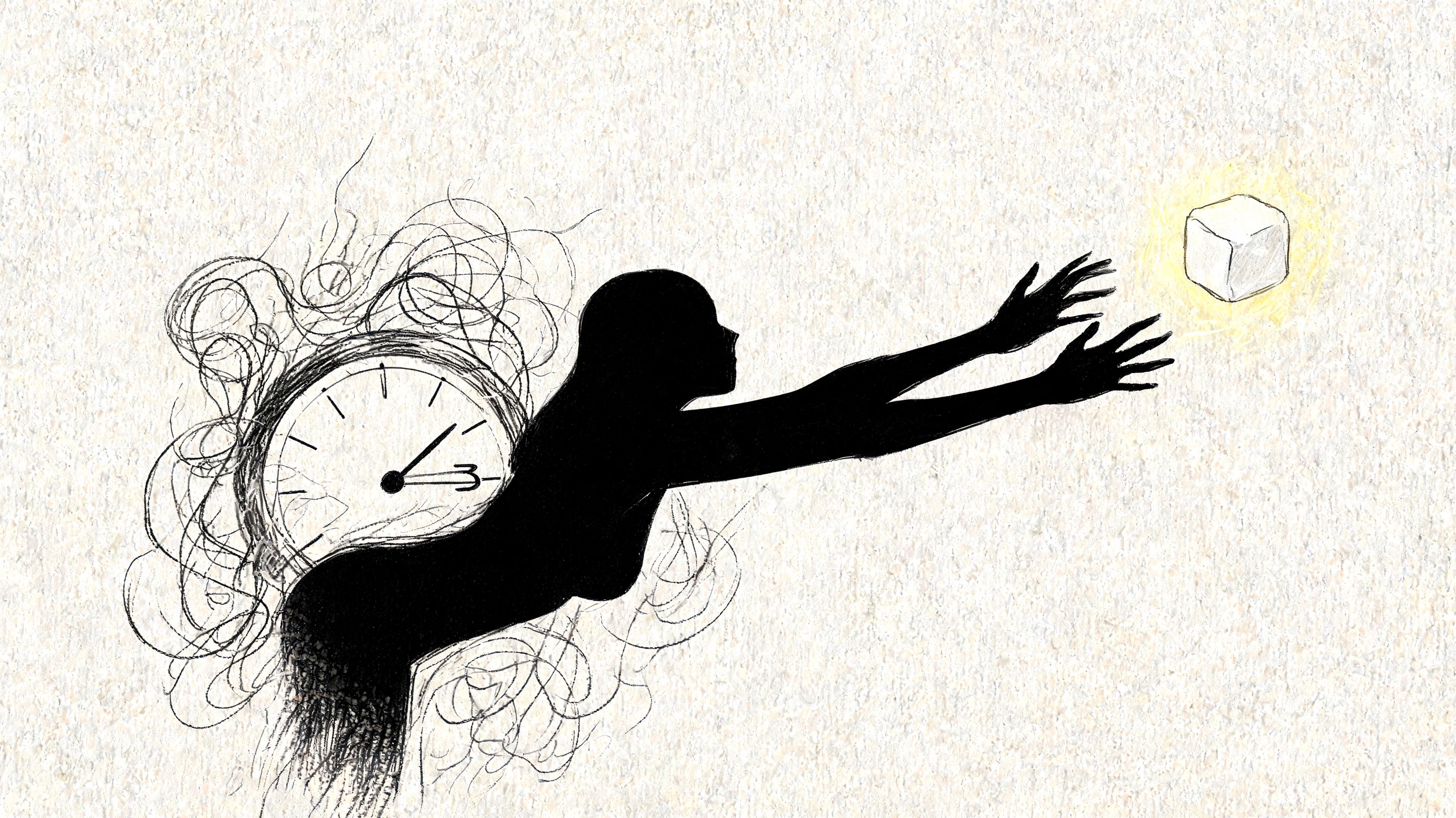
That intensity has a biological basis. A 2025 Menopause Journal study reported that 68% of perimenopausal women had heightened sugar urges linked to estrogen decline, with 25% higher daily sugar intake than premenopausal peers, and the same report noted more reactive dopamine reward circuitry in this group, according to Cleveland Clinic’s review of sugar cravings. When estrogen fluctuates, the brain’s reward system can feel less stable. Sugar becomes a fast, reliable hit of relief.
Estrogen changes the craving equation
Estrogen doesn’t only affect cycles and hot flashes. It also influences dopamine and serotonin, which help regulate motivation, reward, and emotional steadiness. When estrogen swings up and down, cravings can feel more urgent because your brain is more likely to chase quick comfort.
That’s why many women say cravings feel “different” in their 40s. They often are. The old strategies that worked in your 30s may suddenly stop working because the hormonal environment has changed.
Cravings during perimenopause often signal a stressed system, not a weak mind.
Cortisol and insulin resistance add fuel
Perimenopause also tends to expose another problem. Your body may become less efficient at handling glucose, especially when stress and sleep disruption pile on. Higher cortisol can push your body toward quick-energy foods. If insulin sensitivity is slipping, the rise-and-crash pattern after sugary foods can get sharper, which sets up the next craving.
This is one reason weight changes can feel so frustrating in midlife. The issue isn’t just calories. It’s the interaction between hormones, blood sugar regulation, appetite, and recovery. If that piece feels familiar, this breakdown on why weight loss gets harder after 40 connects the dots well.
What this means in practice
If cravings are hormonally amplified, then a shame-based approach won’t help much. A better plan is to:
Stabilize inputs: Build meals that reduce energy dips.
Reduce stress spikes: Lower the moments when your brain reaches for fast reward.
Track patterns: Notice whether cravings hit after poor sleep, skipped meals, or high-stress days.
Stop treating it like a morality issue: Biology responds better to strategy than self-criticism.
Once you understand that cravings are being pushed by estrogen shifts, insulin resistance, and cortisol, the next step becomes much clearer. You don’t need tougher rules. You need steadier physiology.
Balance Your Blood Sugar with Protein Fiber and Fat
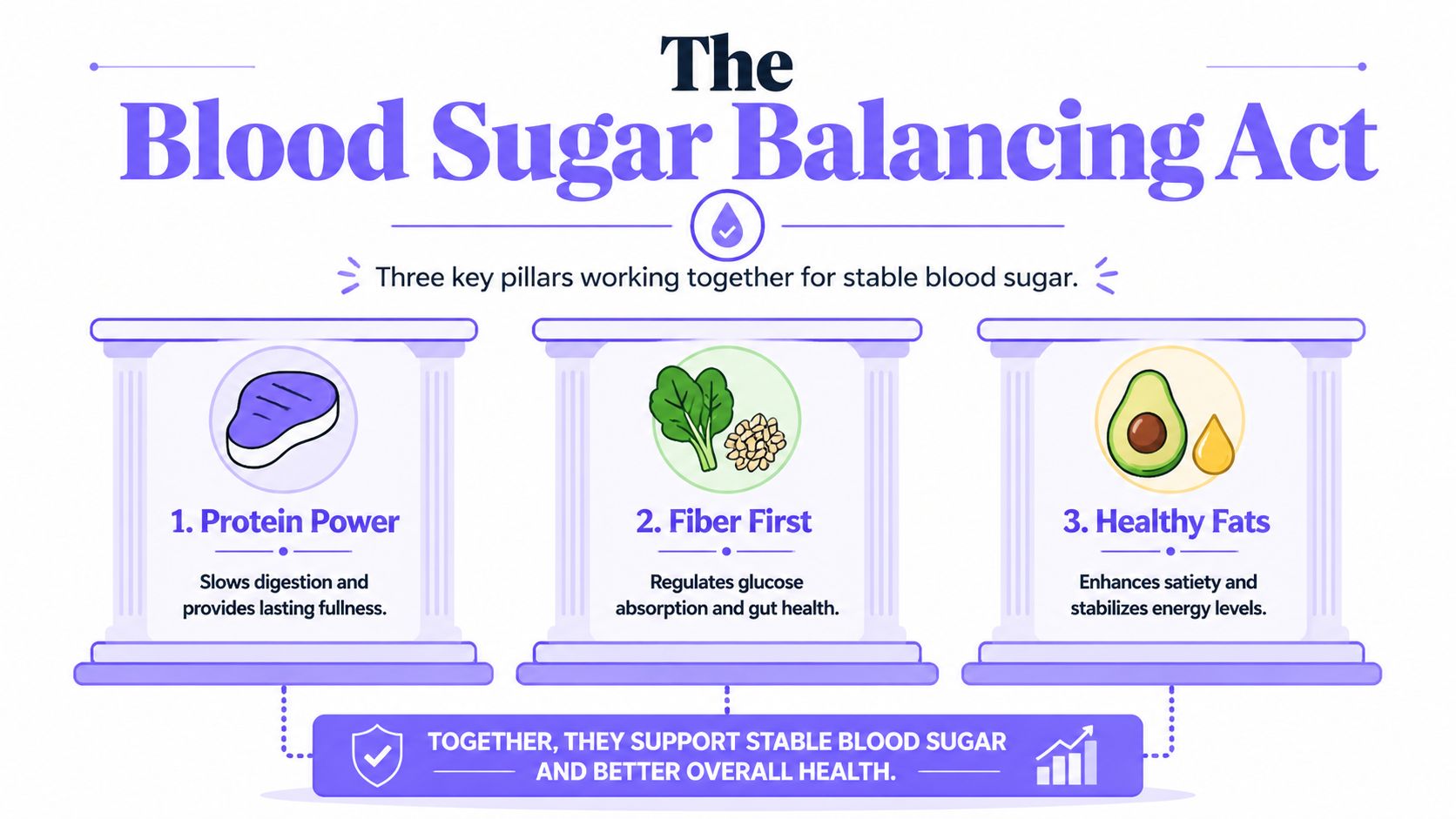
If I could simplify sugar-craving prevention into one principle, it would be this. Build meals that keep your blood sugar from swinging wildly. Most women try to curb cravings by subtracting foods. It works better to start by adding what your body is missing.
A key reason this matters is sheer exposure. Americans consume over 300% of the daily recommended added sugar, and the average woman takes in 15 teaspoons, or 60 grams, daily, far above the American Heart Association limit of 25 grams, according to this sugar intake summary. When sugar shows up constantly, blood sugar instability becomes normal, and cravings stay in rotation.
Start with protein
Protein helps slow digestion and keeps you full longer. It also makes meals feel more complete, which matters when you’re trying not to hunt for something sweet an hour later.
A practical target from the eating framework used in the Gymnema trial was 20 to 30 grams of protein per meal. You don’t need to count obsessively. A palm-sized portion of chicken, Greek yogurt, eggs, tofu, cottage cheese, fish, or edamame is a strong start.
Add fiber before you cut carbs
Fiber is the brake pedal. It slows glucose absorption, supports steadier energy, and makes meals more satisfying. Women in perimenopause often do better when they stop fearing carbs and start choosing carbs that come packaged with fiber.
Think:
Beans or lentils with lunch
Berries instead of juice
Chia, flax, or oats at breakfast
Roasted vegetables with dinner
For a more structured way to apply this, a practical menopause diet plan can help you build meals around stability rather than restriction.
Before the next meal example, this short explainer is useful if you like visual guidance:
▶ PlayDon’t skip fat
Healthy fat is what makes a meal last. It slows gastric emptying and improves satiety, which can reduce the “I just ate, so why do I still want something?” feeling.
Use real-food fats that fit naturally into meals:
Avocado on eggs or grain bowls
Olive oil on vegetables or salads
Nuts or seeds with fruit
Nut butter with apple slices
Practical rule: Every meal should contain a protein source, a fiber source, and a fat source. If one is missing, cravings usually show up sooner.
A simple plate formula
You don’t need a perfect macro plan. Use this simple check:
Meal part | What to include | Easy examples |
|---|---|---|
Protein anchor | A clear protein source | Eggs, salmon, chicken, tofu, Greek yogurt |
Fiber base | Vegetables, beans, or high-fiber carbs | Broccoli, lentils, berries, oats |
Satisfaction layer | A healthy fat | Olive oil, avocado, walnuts, tahini |
This approach is nourishing, not punitive. When blood sugar is more stable, cravings usually stop feeling so dramatic.
Win the Day with Smart Swaps and Strategic Meal Timing
Most cravings aren’t random. They follow a pattern. A light breakfast, a rushed lunch, too much coffee, then a late-afternoon collapse. By the time dinner comes around, the body wants fast fuel and the brain wants comfort.
That’s where tactical changes help. Not a complete food overhaul. Just better decisions at the exact times cravings tend to hit.
Smart Sugar Swaps for Perimenopause
Instead of This High-Sugar Choice... | Try This Blood-Sugar-Friendly Swap... | Why It Works |
|---|---|---|
Sweetened yogurt | Plain Greek yogurt with berries and seeds | You still get sweetness, but with more protein and a steadier payoff |
Afternoon pastry | Apple slices with nut butter | This gives you fiber, fat, and chew, which usually calms the urge better than a quick sugar hit |
Sugary cereal | Eggs with avocado and toast | A more balanced breakfast often means fewer cravings later |
Ice cream after dinner | Greek yogurt with cinnamon and chopped nuts | Cooler, creamy foods can satisfy the ritual without the same blood sugar swing |
Flavored coffee drink | Coffee with milk or unsweetened alternative plus cinnamon | It keeps the habit while cutting the concentrated sugar load |
Candy from your desk drawer | Trail mix with nuts and a small portion of dried fruit | You get sweetness, but it arrives with more staying power |
Meal timing matters more than most women think
Skipping breakfast doesn’t make cravings more “disciplined.” It often makes them more predictable. If you wait too long to eat, the body starts looking for the fastest energy source available. That’s usually sugar.
Two timing habits help a lot:
Eat a real breakfast, especially if morning coffee has replaced food.
Use a planned afternoon snack if cravings reliably hit before dinner.
A good afternoon snack should feel like a bridge, not a treat. Try something with protein and fiber, such as Greek yogurt and berries, hummus with vegetables, or cottage cheese with fruit.
One evidence-based tool for the hardest moments
For women who want a short-term craving interrupter, Gymnema sylvestre is one of the more interesting options. In a randomized controlled trial, a Gymnema sylvestre mint tablet reduced discretionary sugar intake by 28% and lowered cravings by 42% over 14 days in the intervention group, based on the published trial.
Here’s why some women find it useful. Gymnema temporarily blocks sweet taste receptors in the mouth, so sugary foods often taste less rewarding in the moment. That can create enough distance for you to make a different choice.
A few practical notes from the same trial design:
Use it when cravings hit or between meals
Follow it with balanced eating, not meal skipping
Expect it to be a tool, not a cure
If your hardest time is the drive home, the kitchen rush after work, or the post-dinner snack spiral, tools that interrupt the reward loop can help you regain a few minutes of control.
The most effective approach is usually simple. Build your meals well, time them before you get desperate, and keep one or two reliable swaps ready for the hours when cravings tend to show up.
Manage Cravings Beyond the Kitchen Sleep Stress and Movement
Food matters, but many women hit a wall because they’re trying to solve a whole-body problem with snacks alone. If sleep is broken, stress is high, and your body barely gets any movement, cravings will keep finding a way in.
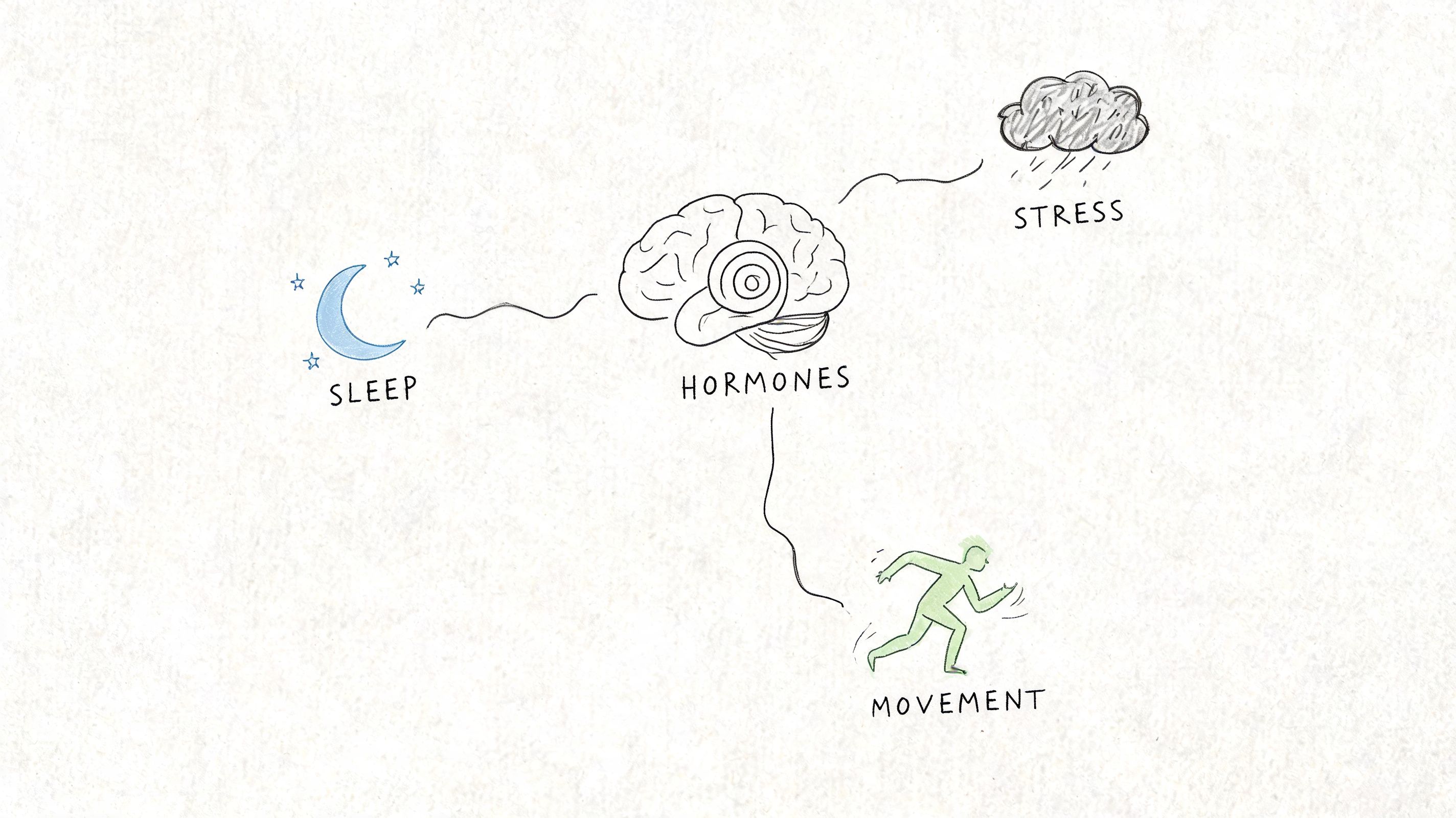
A behavior-based protocol on sugar addiction found that 30 minutes of daily exercise reduced cravings by 35%, and thirst mimicked hunger in up to 40% of cases, according to this review of craving-reduction strategies. That doesn’t mean movement and hydration are magic. It means they’re often overlooked key strategies.
Sleep is appetite insurance
After a bad night, cravings usually get louder the next day. That’s not you being “off track.” It’s your body asking for easy energy.
A better evening routine can lower the odds of waking up in craving mode:
Keep a consistent wind-down time: The body likes rhythm, especially in perimenopause.
Cut stimulating input late at night: Bright screens, work stress, and late caffeine all make the next day harder.
Make your bedroom support sleep: Cooler, darker, quieter tends to help.
If sleep is one of your biggest triggers, this guide on how to sleep better during perimenopause is worth reading.
Stress changes what sounds good
When cortisol stays high, your brain tends to prefer fast comfort. That’s why stress eating often feels very specific. You’re not craving salmon and lentils. You’re craving something sweet, quick, and numbing.
A short reset can interrupt that pattern. A five-minute walk, slower breathing, stepping outside, or a few minutes away from the kitchen is often enough to lower the immediate urgency. For women who do well with movement-based stress relief, Highbar's approach to stress management gives practical examples of how exercise can regulate tension, not just burn calories.
Movement works best when you stop treating it like punishment
The most useful exercise for cravings is often the kind you’ll repeat. A brisk walk, short strength session, dance class, or bike ride can improve mood and shift your state without turning into another all-or-nothing project.
Try this simple sequence when cravings build after a stressful day:
Drink water first
Walk for 10 to 30 minutes
Eat a balanced meal or snack
Decide after that whether you still want the sweet food
A craving often feels urgent when you’re tired, stressed, and dehydrated at the same time. Change the state first, then decide.
This is why diet-only advice often falls short in perimenopause. If the nervous system is overloaded, food strategies help more when they’re supported by sleep, hydration, and movement.
What to Do When Cravings Strike A Troubleshooting Guide
Even with a solid routine, cravings will still show up sometimes. The goal isn’t to eliminate every urge. The goal is to stop one craving from turning into a whole evening of “I already blew it.”
A major reason that old advice fails is that reducing sweet taste exposure alone doesn’t seem to fix the problem. A 2026 clinical trial found that cutting sweet foods over six months did not curb sugar cravings or change taste preferences, as summarized in ScienceDaily’s report on the trial. That matters because it challenges the idea that you can “train yourself out of” cravings by avoiding sweetness and white-knuckling through it.
Use a five-minute interruption
When a craving hits, don’t argue with it right away. Interrupt it.
Try this sequence:
Drink a large glass of water
Wait five minutes before eating anything sweet
Ask one question: What do I need right now?
Choose the right response: food, rest, comfort, stimulation, or a break
Sometimes the answer is genuine hunger. Then eat. Sometimes it’s exhaustion, frustration, or reward-seeking after a long day. Naming that difference helps.
Treat slip-ups like information
One of the fastest ways to make cravings worse is to turn them into a morality play. You ate the cookie. Fine. Now gather data.
Look at the lead-up:
Was lunch too light?
Did you sleep badly?
Did stress stay high all day?
Did you go too long without eating?
Were you trying to be “good” and ended up rebound eating?
That mindset builds resilience. It also makes the next craving easier to solve because you know what triggered it.
Build a response menu
The moment of craving is not the time to invent a plan. Keep a short list ready. Some women like a balanced snack. Others do better with a cup of tea, a walk, or a minty palate cleanser. If you want a few more practical, food-first ideas, this guide on how to regain control over sugar cravings offers useful options.
The women who manage cravings best aren’t the ones with the most discipline. They’re the ones who respond quickly, without drama, when a trigger appears.
Cravings lose power when you stop expecting perfection and start expecting patterns.
Get Personalized Support with Lila Tracking and Coaching
Perimenopause cravings usually are not random. They follow a pattern. The work is figuring out whether your pattern is being driven more by blood sugar swings, rising stress load, poor sleep, cycle-related hormone shifts, or a combination of all three.
That is why tracking helps. Keep it practical. A few consistent data points, meals, sleep, energy, mood, symptoms, and cycle timing, can show you far more than trying to rely on memory at the end of a hard week.
Lila is an AI-powered perimenopause app that lets users track symptoms, meals, sleep, mood, energy, and cycles, then use a chat-based coach for day-to-day guidance and accountability. That kind of support is useful when cravings have more than one driver, which is common in perimenopause. Estrogen shifts can change insulin sensitivity. Higher cortisol can push you toward quick energy. Broken sleep can make both worse the next day.
Personalization matters here. A woman dealing with 3 a.m. wake-ups and morning irritability needs a different plan from someone whose cravings hit after skipped lunches and back-to-back meetings. The advice may sound similar on the surface, eat enough protein, stabilize meals, reduce stress, but the order of operations matters.
That is the part many women miss. They are trying to fix a hormone-driven pattern with willpower and generic food rules.
If sugar cravings feel relentless, track what happens before them. Look for timing, symptom flares, stress spikes, and sleep disruption. Once you can see the pattern clearly, you can respond to the cause instead of fighting the craving on repeat.
Get Lila, your personal coach for perimenopause.
Built for women in their 40s. 24/7 coaching, in your pocket.