10 Science-Backed Natural Hot Flash Remedies That Work in 2026
Tired of hot flashes? Discover 10 evidence-based natural hot flash remedies, from diet to CBT, to help you find relief and regain control today.
 Michelle
Hot flashes are more than just a nuisance; they're a disruptive force affecting everything from sleep quality to daytime focus for millions of women navigating perimenopause and menopause. The sudden, intense waves of heat can feel unpredictable and overwhelming, leaving many feeling like they've lost control over their own bodies. While hormone replacement therapy is a common medical option, a growing body of scientific evidence shows that targeted, natural strategies can significantly reduce hot flash frequency, intensity, and their overall impact on your life.
This is not a list of generic advice. This is a detailed, evidence-based guide to ten powerful natural hot flash remedies you can start implementing today. We'll explore exactly how each one works, the scientific data supporting its effectiveness, and clear, practical steps to integrate it into your daily routine.
Our goal is to move beyond simply coping with symptoms and instead provide you with the tools to regain a sense of control and well-being. By exploring options from dietary adjustments like incorporating phytoestrogens to mind-body practices such as paced respiration and Cognitive Behavioral Therapy (CBT), you can build a personalized approach. Combining these methods with consistent symptom tracking, perhaps using a dedicated app like Lila, helps you identify what works best for your unique physiology and create a sustainable action plan for lasting relief. This article will unpack the science behind these strategies, empowering you to make informed decisions for your menopausal journey.
1. Phytoestrogen-Rich Foods (Soy & Legumes)
Phytoestrogens are naturally occurring compounds in plants that have a chemical structure similar to the body's own estrogen. During perimenopause and menopause, as estrogen levels decline, these plant-based compounds can gently bind to estrogen receptors, providing a mild estrogen-like effect. This action helps stabilize the body's temperature regulation center in the brain, which can become erratic with fluctuating hormones, leading to fewer and less intense hot flashes.
How It Works and What to Expect
Incorporating foods rich in phytoestrogens, specifically isoflavones found in soy and legumes, is a well-researched natural hot flash remedy. Clinical trials have shown that consistent intake can make a noticeable difference.
Soy Products: Tofu, tempeh, edamame, and soy milk are potent sources of isoflavones.
Legumes: Chickpeas, lentils, and flaxseeds also provide these beneficial compounds.
A clinical trial found that women consuming 50 mg of isoflavones daily, the amount in about two servings of whole soy foods, experienced a 26% reduction in hot flash frequency and severity. This aligns with observations that women in cultures with high-soy diets, such as in Japan, often report fewer menopausal symptoms.
Practical Tips for Implementation
Consistency is key to seeing results. Instead of turning to processed supplements, prioritize whole food sources to gain the added benefits of fiber, protein, and other micronutrients.
Aim for 1-2 servings daily. This could be ½ cup of tofu, 1 cup of soy milk, or a cup of lentil soup.
Boost your breakfast. Mix 1-2 tablespoons of ground flaxseed into oatmeal, smoothies, or yogurt.
Track your progress. Use a meal log, like the one in the Lila app, to record your daily soy or legume intake alongside your hot flash symptoms. This helps you identify a personal connection between your diet and symptom relief.
Many women find it takes several weeks of consistent intake to notice a change. By focusing on these dietary adjustments, you can address one of the root hormonal imbalances behind hot flashes. For a deeper dive into how specific foods impact menopausal symptoms, you can explore more on foods for menopause. If you have a history of hormone-sensitive cancers, consult your doctor before significantly increasing your soy intake.
2. Deep Breathing & Paced Respiration Techniques
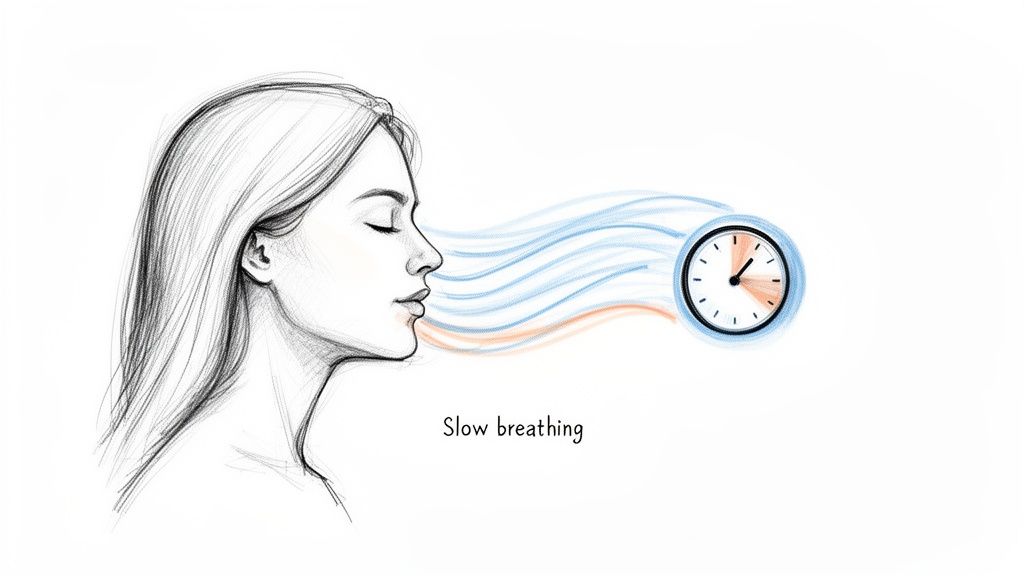
Controlled breathing is a powerful, no-cost tool that directly influences the autonomic nervous system, which controls involuntary functions like heart rate and body temperature. During a hot flash, the sympathetic nervous system (our "fight or flight" response) goes into overdrive. Slow, paced respiration activates the opposing parasympathetic nervous system (our "rest and digest" state), which calms the body, slows the heart rate, and can help lower core body temperature to interrupt a hot flash in its tracks.
How It Works and What to Expect
Paced respiration involves breathing at a slow, steady rate, typically around 5-6 breaths per minute. This practice is not just for relaxation; it actively helps retrain the body's thermoregulatory center. Consistent daily practice can reduce the overall frequency and intensity of hot flashes, making it an effective natural hot flash remedy.
During a hot flash: Immediately applying slow breathing techniques can shorten the duration and lessen the severity of the event.
As a preventative measure: Regular practice helps stabilize the nervous system, making it less susceptible to the triggers that cause hot flashes.
A study in the journal Menopause found that women who practiced paced breathing for just five minutes twice a day experienced a nearly 50% reduction in hot flash severity. Research from the University of Massachusetts Medical School further supports this, demonstrating its effectiveness can be comparable to some pharmaceutical options.
Practical Tips for Implementation
The key to success with paced breathing is twofold: consistent daily practice to build resilience and immediate application when a hot flash begins. Integrating it into your routine makes it a reliable skill.
Practice the 4-7-8 technique. Inhale quietly through your nose for 4 counts, hold your breath for 7 counts, and exhale completely through your mouth for 8 counts.
Schedule your sessions. Set alarms on your phone for two 15-minute breathing sessions daily, perhaps in the morning and before bed, to build a strong habit.
Use your daily check-in. Many Lila users pair their daily check-in on the app with a 5-minute slow breathing exercise, making it an easy-to-remember part of their wellness routine.
Track your symptoms. Use the Lila app to log your breathing sessions alongside your hot flash frequency and intensity. This can help you clearly see the positive impact of your practice over time.
Even just two or three minutes of focused, slow breathing can disrupt the physiological cascade of a hot flash. Pairing the technique with grounding exercises, like naming five things you can see or feel, can enhance the calming effect.
3. Exercise & Metabolic Optimization (Aerobic, Strength, Weight Management)
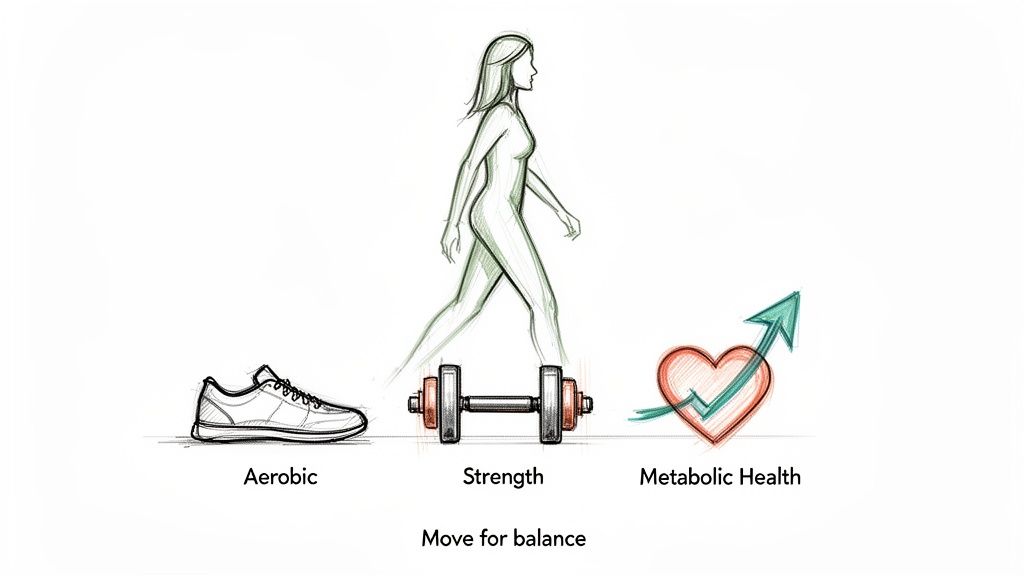
A consistent exercise routine combined with weight management is a powerful natural hot flash remedy. This approach works by improving the body’s thermoregulatory stability, which is often disrupted by menopause-related hormone shifts. Regular movement enhances endorphin levels, boosts cardiovascular function, and improves insulin sensitivity, all of which contribute to better hormonal balance and fewer disruptive symptoms.
How It Works and What to Expect
Integrating aerobic exercise, strength training, and metabolic-focused weight management can significantly reduce the frequency and severity of hot flashes. This multifaceted strategy addresses both the hormonal and metabolic factors that contribute to symptoms.
Aerobic Exercise: Activities like walking, jogging, and cycling improve cardiovascular health and help stabilize the body's internal thermostat.
Strength Training: Building and maintaining muscle mass is crucial for a healthy metabolism, which can become sluggish during menopause.
Weight Management: Excess body fat can trap heat and worsen hot flashes, so even modest weight loss can provide substantial relief.
Research supports this combined approach. One study found that women who lost 5-10% of their body weight experienced a 24% reduction in hot flash frequency, independent of exercise. Another study in the Menopause Journal showed that women exercising four or more days a week had a 40% reduction in hot flashes compared to sedentary women.
Practical Tips for Implementation
The goal is to build a sustainable routine that you can stick with for the long term. Start slowly and gradually increase the intensity and duration of your workouts.
Start with walking. Aim for 30-minute moderate-paced walks four to five days a week.
Add resistance. Incorporate two to three strength training sessions weekly, focusing on compound movements like squats, rows, and push-ups to build metabolic muscle.
Be mindful of timing. Intense exercise can temporarily raise body temperature and trigger a hot flash. Consider working out in a cool environment or during cooler times of the day.
Track your efforts. Use the Lila app to log your workouts and monitor your weight alongside your hot flash symptoms. Many users report a significant decrease in flashes after four to six weeks of consistent tracking and activity.
By combining movement with mindful nutrition, you can support your metabolism and create a powerful defense against hot flashes. To learn more about effective routines, explore the best exercises for menopause. If you have any underlying health conditions or have been inactive for a long time, consult with your doctor before beginning a new exercise program.
4. Cognitive Behavioral Therapy (CBT) & Mindfulness Practices
Cognitive Behavioral Therapy (CBT) and mindfulness are psychological tools that shift the focus from eliminating hot flashes to changing your reaction to them. The experience of a hot flash often triggers anxiety and catastrophic thoughts (“Everyone is staring,” “I can’t cope with this”), which activates the body's stress response and can make the sensation feel even more intense. This approach helps break that cycle by addressing the thought patterns and behaviors that amplify hot flash distress.
How It Works and What to Expect
CBT adapted for hot flashes (CBT-HF) and mindfulness practices teach you to reappraise and accept the physical sensations without judgment. By calming the anxiety-driven sympathetic nervous system activation, these techniques can significantly reduce how bothersome hot flashes feel, even if their frequency doesn't change. It's a powerful natural hot flash remedy that puts you back in control.
Thought Challenging: Learn to identify and replace negative, automatic thoughts with more neutral or practical ones.
Mindful Acceptance: Practice observing the sensations of a hot flash as temporary physical events, rather than a catastrophe.
Research supports this mind-body connection. One study found that women who practiced just 10 minutes of daily mindfulness and used CBT techniques reported 43% fewer “problematic” hot flashes. The UK's National Institute for Health and Care Excellence (NICE) also recommends CBT-HF, which has been shown in randomized trials to reduce hot flash distress by approximately 41%.
Practical Tips for Implementation
The goal is to build a new set of mental habits that you can deploy the moment a hot flash begins. Consistency in practice is what builds this skill.
Identify your triggers. Use the mood and symptom logs in the Lila app to connect specific thoughts or feelings (like stress or anxiety) to the onset or amplification of your hot flashes.
Create a hot flash action plan. Write down a few cognitive reframes (“This is just a temporary wave of heat”) and grounding techniques (like focusing on your feet on the floor) to use during an episode.
Practice daily mindfulness. Spend 5-10 minutes each day on a guided meditation. This builds the muscle of nonjudgmental awareness, making it easier to stay calm during a real hot flash.
Many women notice a reduction in distress within a few weeks of consistent practice. By training your brain to respond differently, you can fundamentally change your experience of menopause and find relief from the most disruptive aspects of hot flashes.
5. Herbal Supplements: Black Cohosh & Red Clover
Among the most researched herbal supplements for menopause, black cohosh and red clover stand out as popular natural hot flash remedies. These plants contain active compounds thought to influence the body’s hormonal pathways. Black cohosh may affect serotonin receptors in the brain, which play a role in temperature regulation, while red clover is rich in isoflavones, similar to soy, which provide a mild estrogenic effect.
How It Works and What to Expect
The effectiveness of these herbs can vary from person to person, and the quality of the supplement is crucial. Both have been studied for their ability to reduce the frequency and intensity of hot flashes.
Black Cohosh: Often used for general menopausal symptom relief, including hot flashes and mood swings.
Red Clover: Specifically noted for its high concentration of isoflavones, which, like those in soy, can help buffer against declining estrogen levels.
A significant meta-analysis of black cohosh studies found it reduced hot flashes by approximately 26% compared to a placebo. Similarly, clinical trials on standardized red clover extracts have shown a 20-30% reduction in hot flashes and improvements in mood over a 12-week period.
Practical Tips for Implementation
To safely and effectively use these herbal supplements, choosing a high-quality product and dosing correctly is essential. Look for standardized extracts to ensure you are getting a consistent and effective amount of the active compounds.
Choose quality brands. Opt for supplements that have undergone third-party testing from organizations like NSF or USP. Reputable brands include Estroven, Nature's Way, and Gaia Herbs.
Follow typical dosages. For black cohosh, a common dose is 40-80 mg daily of a standardized extract. For red clover, the goal is often to get 40-80 mg of isoflavones daily.
Track your symptoms. Use the symptom tracker in the Lila app to log your supplement intake, dosage, and timing alongside your hot flash occurrences. This data will help you see if the supplement is working for you after 6-8 weeks.
Because these herbs can interact with medications and may not be suitable for those with hormone-sensitive conditions, it is important to discuss their use with your healthcare provider before starting.
6. Environmental Temperature Management & Layering
While internal hormonal shifts trigger hot flashes, your external environment can significantly influence their frequency and intensity, especially at night. By proactively managing your surroundings, you can create a buffer that makes hot flashes more manageable. This approach focuses on preventing overheating and providing rapid relief when a flash does occur, thereby improving comfort and preserving sleep quality, which is crucial for overall well-being during menopause.
How It Works and What to Expect
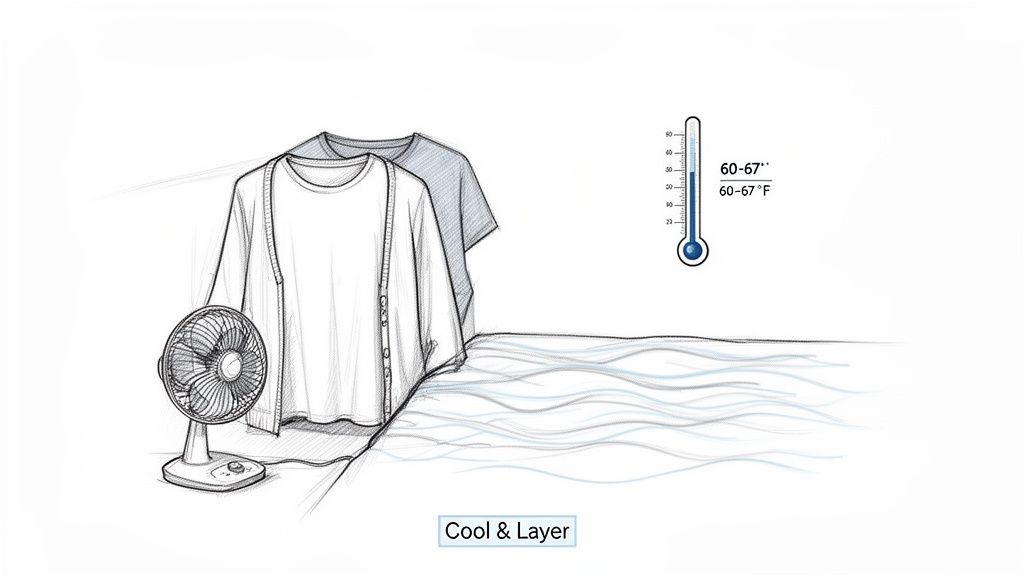
Keeping your core body temperature cool and stable is a simple yet powerful natural hot flash remedy. A cooler environment reduces the likelihood that your body's sensitive internal thermostat will be tipped over its threshold, triggering a flash. This strategy is less about eliminating flashes entirely and more about preventing them and minimizing their impact, leading to a better quality of life and fewer sleep disruptions.
Cooler Room Temperatures: Lowering the ambient temperature, particularly in the bedroom, helps prevent nocturnal overheating.
Breathable Materials: Wearing layered clothing and using moisture-wicking bedding allows for quick adjustments and helps manage sweat.
One study demonstrated that maintaining a cool bedroom temperature around 65°F (18°C) reduced hot flash-induced awakenings by 32% compared to a warmer room. This highlights how a simple environmental change can directly translate to better sleep continuity.
Practical Tips for Implementation
Creating a cool microclimate around yourself gives you a sense of control when hot flashes feel unpredictable. To maintain an optimal indoor climate that helps alleviate hot flashes without excessive energy costs, exploring effective HVAC energy saving tips can be a valuable strategy for environmental temperature management.
Set your thermostat to 60-67°F (15-19°C) at night. If your partner gets cold, suggest they use an extra blanket rather than raising the room temperature.
Invest in cooling bedding. Choose sheets and sleepwear made from breathable, moisture-wicking fabrics like bamboo, eucalyptus, or merino wool.
Prepare for flashes. Keep a small fan on your nightstand and a glass of ice water within reach for immediate relief. During the day, dress in layers you can easily remove.
Track your environment. Use the Lila app to note your bedroom temperature or clothing choices alongside your sleep quality and hot flash entries. This can reveal powerful patterns, showing how these external factors directly impact your symptoms.
7. Adequate Sleep & Sleep Hygiene Optimization
Poor sleep and hot flashes are locked in a frustrating cycle: hot flashes disrupt sleep, and a lack of quality sleep can make hot flashes more frequent and severe. By prioritizing sleep hygiene and optimizing your sleep environment, you can improve your body's resilience to hormonal fluctuations, effectively turning down the dial on hot flashes. This approach works by calming the nervous system and supporting the body’s natural temperature-regulating abilities.
How It Works and What to Expect
Improving sleep is a powerful natural hot flash remedy because it helps stabilize the very systems that hormonal changes disrupt. When you're well-rested, your stress response is lower and your brain's thermoregulatory center is less reactive.
Interrupt the Cycle: Better sleep reduces the body's stress state, which in turn can lessen the intensity of hot flashes.
Support Hormonal Balance: Adequate rest supports the endocrine system, contributing to a more stable hormonal environment.
Research highlights a strong connection, showing that treating hot flashes often improves sleep, and conversely, improving sleep often reduces hot flash severity by 30-40%. One study found that women with consistent sleep schedules experienced approximately 33% fewer nighttime hot flashes.
Practical Tips for Implementation
Creating a sleep-promoting routine is foundational to managing your symptoms. Small, consistent changes can lead to significant improvements in both sleep quality and daytime comfort.
Stick to a Schedule. Go to bed and wake up within the same 30-minute window every day, even on weekends, to regulate your body's internal clock.
Create a Wind-Down Routine. Dedicate the 30-60 minutes before bed to relaxing activities. Dim the lights, avoid screens, read a book, or listen to calming music.
Optimize Your Bedroom. Keep the room cool and use moisture-wicking pajamas and bedding to manage night sweats.
Track Your Progress. Use the Lila app to log your sleep duration and quality alongside your hot flash occurrences. Many users discover that getting 7+ hours of sleep correlates with 25-30% fewer hot flashes the following day.
By focusing on these sleep hygiene practices, you can create a positive feedback loop that reduces hot flashes and restores restful nights. For more targeted strategies, learn how to beat menopause night sweats and regain restful sleep. If sleep issues persist, consult a healthcare provider to rule out conditions like sleep apnea.
8. Stress Reduction & Stress Management Practices
Chronic stress elevates cortisol and adrenaline, activating the sympathetic nervous system, often called the "fight-or-flight" response. This state of high alert can directly trigger or significantly worsen hot flashes. By implementing dedicated stress management practices, you can calm this overactive system, reduce the frequency of vasomotor symptoms, and build long-term resilience against hormonal fluctuations.
How It Works and What to Expect
Stress management serves as a powerful natural hot flash remedy by directly influencing your body's stress hormone levels. Practices like yoga, tai chi, and mindfulness help lower cortisol and promote a state of relaxation, which can stabilize the brain's temperature control center.
Yoga: Combines physical postures, breathing techniques, and meditation to calm the nervous system.
Tai Chi: A gentle, flowing martial art that improves balance and reduces stress.
Mindfulness: Involves focusing on the present moment to reduce anxiety and emotional reactivity to symptoms.
Research has shown a direct link between these practices and symptom relief. One study found that women practicing yoga just two to three times weekly saw a 30% reduction in hot flash frequency. Another study correlated tai chi with an approximate 29% reduction in hot flashes and improved emotional well-being.
Practical Tips for Implementation
Finding a practice that you enjoy is crucial for long-term success. The goal is to make stress reduction a consistent part of your routine, not another source of pressure.
Identify your stressors. List your top 3-5 current stressors and determine which you can change versus which you must learn to manage.
Schedule your practice. Dedicate 20-30 minutes, 3-4 times a week, to one activity like a nature walk, yoga session, or massage.
Track your stress levels. Use a journal or the Lila app to log your stress and mood alongside hot flash incidents. This data helps you see the direct connection and measure the effectiveness of your new habits.
Prioritize social connection. Spending time with supportive friends and family can be a powerful antidote to stress.
While managing stress can improve daytime symptoms, it's also connected to nighttime rest. Beyond just managing environmental factors, exploring approaches to enhance your rest is crucial, and you can find more tips for improving your overall sleep quality. If high stress persists and significantly impacts your daily life, consider seeking professional support from a therapist or health coach.
9. Dietary Modifications: Avoiding Trigger Foods
While some foods can help manage hot flashes, others can actively trigger them. Certain foods and beverages can cause a rapid change in body temperature or stimulate the nervous system, which can set off a hot flash in women whose internal thermostat is already sensitive due to hormonal fluctuations. Common culprits include spicy foods, caffeine, alcohol, refined sugars, and even very hot-temperature foods or drinks.
How It Works and What to Expect
The mechanism is often direct: spicy foods containing capsaicin, for example, activate nerve receptors that signal warmth, tricking your brain into starting a cool-down response (a hot flash). Caffeine and alcohol can also interfere with the body's thermoregulation. Identifying and minimizing your personal triggers is a powerful, personalized natural hot flash remedy that can lead to rapid improvements.
Common Triggers: Spicy dishes, coffee, red wine, sugary desserts, and steaming hot soup or tea.
Individual Variability: What triggers one person might not affect another. The key is to find your unique sensitivities.
Many women report dramatic improvements when they pinpoint and eliminate their personal dietary triggers. In one study, 65% of menopausal women could identify specific foods that provoked their hot flashes. Some users see a reduction of 20-35% in frequency, while others report improvements of 50% or more.
Practical Tips for Implementation
Systematic tracking is the most effective way to uncover your personal trigger patterns. Instead of guessing, use data to make targeted changes that yield real results without unnecessary dietary restrictions.
Run a two-week elimination trial. Start by removing all common triggers (caffeine, alcohol, spicy foods, added sugar) for two weeks. Then, reintroduce them one at a time every few days to see if symptoms return.
Track timing. A trigger food doesn't always cause an immediate hot flash. Log your meals and note any hot flashes that occur 30-60 minutes afterward to catch delayed reactions.
Use a dedicated tracker. The meal and symptom logging features in an app like Lila are designed for this. By recording what you eat alongside when a hot flash occurs, you can quickly spot correlations that might otherwise be missed. Many users identify their key triggers within one to two weeks of consistent logging.
Make smart swaps. Replace trigger foods strategically. Try caffeine-free herbal tea instead of coffee, sparkling water with a lime wedge instead of alcohol, and use ginger or other warm spices instead of chili peppers.
10. Acupuncture & Traditional Chinese Medicine
Acupuncture is a key component of Traditional Chinese Medicine (TCM) that involves inserting very thin needles into specific points on the body. From a TCM perspective, menopausal symptoms like hot flashes arise from an imbalance of Yin and Yang energy, particularly a decline in Yin, which has cooling and moistening properties. Acupuncture aims to restore this balance, clear excess heat, and support the body's natural regulatory functions. Western medicine theorizes it may work by modulating neurochemicals like serotonin and endorphins and stabilizing the autonomic nervous system, which governs involuntary actions like body temperature.
How It Works and What to Expect
This ancient practice is gaining recognition as a non-hormonal approach to managing menopausal symptoms. While individual results can vary, many women report a significant reduction in the frequency and intensity of their hot flashes after a series of treatments.
Autonomic Nervous System: Acupuncture may help calm the "fight-or-flight" response, which can trigger hot flashes.
Neurochemical Release: It is thought to stimulate the release of endorphins and serotonin, which can improve mood and help regulate body temperature.
A study published in the journal Menopause found that women who received weekly acupuncture for six months experienced a 36% reduction in hot flash frequency. Crucially, the benefits persisted for at least six months after the treatments ended, suggesting a lasting rebalancing effect.
Practical Tips for Implementation
Finding a qualified practitioner and committing to a full course of treatment are essential for success with acupuncture as a natural hot flash remedy. It is not a one-time fix but a process of rebalancing the body over time.
Find a specialist. Look for a licensed acupuncturist (LAc or MAc) who has experience treating menopausal symptoms.
Commit to a series. Plan for at least 8-12 weekly sessions to properly gauge effectiveness. Your practitioner will create a personalized treatment plan.
Track your symptoms. Use a tool like the Lila app to log the dates of your acupuncture sessions alongside your daily hot flash frequency and intensity. This data provides a clear picture of how your body is responding over the 8-12 week period.
Ask about options. If you are anxious about needles, ask your practitioner about auricular (ear) acupuncture or acupressure, which can offer similar benefits through less invasive means.
Acupuncture can be a powerful tool, particularly for women who prefer non-pharmacological options or cannot use hormonal treatments. By working with a skilled practitioner, you can address the systemic imbalances contributing to your symptoms.
Natural Hot Flash Remedies: 10-Point Comparison
🔄 Implementation Complexity | ⚡ Resource Requirements | 📊⭐ Expected Outcomes | ⚡ Time to Noticeable Effect | 💡 Ideal Use Cases | ⭐ Key Advantages |
|---|---|---|---|---|---|
Phytoestrogen-Rich Foods (Soy & Legumes) | Low — dietary changes and meal planning | 📊 ~20–30% reduction in hot flashes; variable responders (40–60%) | ⚡ 4–8 weeks of consistent intake | Women preferring food-based approaches; weight/CV benefits desired | ⭐ Dual benefits (hot flashes + metabolic/heart/bone health); affordable |
Deep Breathing & Paced Respiration Techniques | Low — learn techniques, daily practice | 📊 Immediate symptom interruption; study shows large severity drops | ⚡ Immediate to 2–3 weeks for sustained effect | Acute hot flashes and anxiety-triggered episodes | ⭐ No side effects; portable; improves mood and sleep |
Exercise & Metabolic Optimization | Medium–High — structured regimen and consistency | 📊 Significant reductions (studies up to ~40% frequency); weight loss aids benefit | ⚡ 4–6+ weeks; cumulative long-term gains | Root-cause approach; weight management and broad symptom relief | ⭐ Multiple systemic benefits (cardio, bone, mood, metabolism) |
CBT & Mindfulness Practices | Medium — training or guided program (8–12 weeks typical) | 📊 Reduces distress ~41%; fewer “problematic” flashes even if frequency unchanged | ⚡ ~8–12 weeks for full benefit | Anxiety-amplified hot flashes; mood and sleep disruption | ⭐ Long-lasting skills; no pharmacologic side effects |
Herbal Supplements: Black Cohosh & Red Clover | Low–Medium — selecting standardized products; consult clinician | 📊 Variable: ~20–34% reductions in trials; quality-dependent | ⚡ 6–8 weeks to evaluate effectiveness | Those seeking supplement options or added phytoestrogens | ⭐ Researched herbal options; can combine with lifestyle (quality matters) |
Environmental Temperature Management & Layering | Low — immediate adjustments at home/work | 📊 Immediate comfort; ~30% fewer nighttime awakenings in studies | ⚡ Immediate effect on comfort and sleep | Nighttime sleep disruption; need for rapid symptom relief | ⭐ Immediate, non-invasive, empowers self-management |
Adequate Sleep & Sleep Hygiene Optimization | Medium — consistent routines and sleep environment changes | 📊 ~30–40% reduction in hot flash severity; improves resilience | ⚡ 2–3 weeks to see benefits with consistency | Those with poor or fragmented sleep amplifying symptoms | ⭐ Broad symptom improvements; enhances other interventions |
Stress Reduction & Stress Management Practices | Medium — regular practices and lifestyle adjustments | 📊 Reductions in frequency/distress (~29–40% in some studies) | ⚡ 3–4 weeks for measurable change | Stress-amplified hot flashes; long-term resilience building | ⭐ Improves mood, sleep, social well‑being; sustainable |
Dietary Modifications: Avoiding Trigger Foods | Medium — tracking, elimination and reintroduction | 📊 Immediate measurable reductions for sensitive individuals (20–35%) | ⚡ Immediate to 1–2 weeks to identify triggers | Those who suspect food/drink triggers and want quick control | ⭐ High personal agency, low cost, immediate feedback |
Acupuncture & Traditional Chinese Medicine | Medium–High — skilled practitioner and regular visits | 📊 Variable: some studies show 30–50% reductions for responders | ⚡ 6–8 weeks of weekly sessions to assess benefit | Preference for TCM/mind‑body therapies; multi-symptom relief | ⭐ Non-systemic, few side effects, can relieve multiple symptoms |
Creating Your Personalized Hot Flash Relief Plan
Navigating the world of natural hot flash remedies can feel overwhelming, but it’s important to remember that relief is not a one-size-fits-all prescription. Instead, think of it as building your own personal toolkit, piece by piece. You’ve just explored a wide array of options, from the dietary power of phytoestrogens and the calming practice of paced breathing to the foundational importance of exercise and sleep hygiene. Each of these strategies represents a potential tool for your menopausal journey.
The path to fewer, less intense hot flashes is a process of discovery. It’s about identifying what works for your body, your lifestyle, and your unique triggers. Trying to implement all ten remedies at once is a recipe for burnout. A more effective approach is to start small and build momentum.
Your Actionable Next Steps: A Practical Guide
Begin by selecting just one or two strategies from this article that feel the most accessible and appealing to you right now. Don't overthink it; choose what seems easiest to integrate into your daily routine.
Here’s a simple, three-step framework to get started:
Choose Your Starting Point: Select one dietary change and one lifestyle practice. For example, you might decide to add two tablespoons of ground flaxseed to your morning oatmeal (a phytoestrogen boost) and commit to a 10-minute guided breathing exercise before bed (a stress reduction technique).
Commit and Track Consistently: The most critical step is observation. For the next 2-4 weeks, meticulously track your implementation and your symptoms. Did you follow through with the flaxseed and breathing exercise every day? How many hot flashes did you experience? What was their intensity? Using an app specifically designed for this, like Lila, makes this process simple. Logging your food, exercise, sleep, and stress alongside your hot flash occurrences turns vague feelings into concrete data.
Analyze, Refine, and Stack: After a few weeks, review your data. You can start to draw clear lines between your actions and their outcomes. Perhaps you notice a 20% reduction in nighttime hot flashes on the days you practiced paced breathing. This is a significant win! With this insight, you can now "stack" another remedy onto your routine. Maybe you’ll add a 20-minute brisk walk after dinner to incorporate metabolic optimization.
This systematic process transforms you from a passive sufferer into an active participant in your own wellness. You are no longer just guessing; you are making data-informed decisions about your health.
Key Insight: The power isn't in any single remedy, but in the synergy created by combining the right ones for you. Consistent tracking is the only way to uncover that winning combination.
When to Seek Further Medical Guidance
While these natural hot flash remedies can be remarkably effective, they are part of a larger healthcare picture. It's important to have realistic expectations and a plan for when to seek professional medical advice.
If you have dedicated yourself to consistently tracking and applying several of these natural strategies for a period of 3-4 months and your hot flashes still significantly disrupt your sleep, work, or overall quality of life, it is an excellent time to consult your healthcare provider or a menopause specialist.
The detailed log you’ve kept of your symptoms, triggers, and attempted remedies is incredibly valuable. Bring this data to your appointment. It provides your doctor with a clear, objective history of your experience and what you’ve already tried, allowing for a much more productive and personalized conversation. This data can help you and your provider decide if other treatments, such as Menopause Hormone Therapy (MHT), are the right next step for you.
Your menopause journey is uniquely yours. It may have its challenges, but it is also an opportunity to connect with your body on a deeper level. By taking a structured, patient, and observant approach, you can methodically build a plan that cools the fire of hot flashes and restores your sense of well-being, empowering you to feel calm, centered, and in control.
Ready to stop guessing and start knowing what truly works for your body? The Lila app is your all-in-one partner for tracking symptoms, meals, and lifestyle habits to uncover the patterns behind your hot flashes. Download Lila today to begin building your personalized, data-driven relief plan.
Get Lila, your personal coach for perimenopause.
Built for women in their 40s. 24/7 coaching, in your pocket.