Your 8-Point Perimenopause Symptoms Checklist
Tired of guessing? Use our perimenopause symptoms checklist to track changes in mood, sleep, and weight. Learn when to see a doctor and how to feel better.
 Michelle
You are 42. You wake at 3 a.m. hot and restless, snap at your family the next morning, forget why you opened your laptop, and wonder whether this is stress, poor sleep, or something hormonal.
As a practitioner, I see women explain away this pattern for months. Sometimes stress is part of the picture. Sometimes sleep debt is driving half the symptoms. Often, in the late 30s and 40s, perimenopause is also in the mix.
Perimenopause is the hormonal transition before menopause, and it rarely arrives as one clear symptom. Analysts in a large perimenopause symptom log analysis found that symptom burden during perimenopause was both high and variable, which matches what shows up in real clinical care. One woman notices night sweats first. Another comes in for anxiety, bloating, joint pain, or brain fog and does not realize the symptoms belong to the same hormonal shift.
A symptom checklist is more useful when it works as a structured self-assessment. Group symptoms by system. Rate severity. Track frequency. Note timing, triggers, and what else is happening that day, including sleep, stress, exercise, cycle changes, alcohol, and caffeine. The point is to build a pattern you can use.
Here is what that looks like in practice. You log hot flashes as moderate, four evenings this week. You also log broken sleep on the same nights, then worse concentration and more irritability the following day. That pattern gives you a starting plan instead of a vague sense that everything feels off. If hot flushes are one of your early signs, this guide on why you may be having hot flashes can help you sort out common triggers and next steps.
Lila is built for this kind of tracking. Instead of collecting scattered notes, you can record symptoms in one place, compare them over time, and use the 8 symptom areas in this article to create a personal action plan from the first read. If nighttime overheating is part of your picture, practical sleep setup changes can matter too, including cooling bedding or a mattress designed for heat management from Woodstock Furniture & Mattress Outlet.
Use this checklist to answer four questions for each symptom. Is it present? How severe is it? How often does it happen? What seems to make it better or worse? That is the difference between passively reading about perimenopause and actively figuring out your version of it.
1. Hot Flashes and Night Sweats
You are in a grocery line, fully fine, then heat climbs up your chest into your neck and face. Ten minutes later, you are back to normal but rattled. Or you wake at 2 a.m. damp, throw off the covers, and spend the next hour trying to cool down enough to sleep again.
Hot flashes and night sweats are often one of the clearest early signs that hormone shifts are affecting daily life. They also work well as a starting point in a self-assessment checklist because they are trackable. You can measure when they happen, how strong they feel, how long they last, and what follows afterward.
Use a simple severity framework:
Mild: noticeable warmth, little disruption
Moderate: clear flushing, sweating, need to pause or remove layers
Severe: intense heat, soaked clothes or sheets, sleep interruption, or inability to continue what you were doing
That grading matters. A mild warm spell after a stressful meeting calls for a different response than repeated nighttime episodes that leave you exhausted the next day.
For this symptom group, I want women to track four practical details in Lila or any consistent log:
Time of day: daytime, evening, or overnight
Body impact: flushing, sweating, chills afterward, racing heart, or shakiness
Episode length: seconds, minutes, or repeated waves
Likely trigger: alcohol, caffeine, stress, spicy meals, warm rooms, exercise timing, or cycle shifts
This turns a symptom list into a useful tool. Instead of writing “hot flashes: yes,” you build a pattern you can act on.
The trade-off is straightforward. If you change everything at once, you will not know what helped. If you change nothing, the pattern stays vague. Test one variable at a time for several days. Earlier coffee, less evening alcohol, a cooler bedroom, lighter sleepwear, or slower breathing during an episode are all reasonable starting points.
Night sweats need their own attention because they often spill into other symptom categories. The immediate problem is heat. The practical consequence is fractured sleep, then fatigue, irritability, and poor concentration the next day. If this is happening often, Lila’s guide on how to sleep better during perimenopause gives a useful next step.
Your bedroom setup matters more than many women expect. Breathable layers, moisture-wicking pajamas, and cooling bedding can reduce sleep disruption. If overheating is part of the problem, this guide from Woodstock Furniture & Mattress Outlet may help you assess whether your mattress is adding to the issue.
A common pattern in clinic is this: a woman assumes her hot flashes are random, then a two-week log shows the harder days cluster around poor lunch intake, high stress, and wine in the evening. That does not mean hormones are not involved. It means hormones and triggers are interacting, which gives you something concrete to work with.
2. Sleep Disruption and Insomnia
You fall asleep exhausted, then open your eyes at 3 a.m. and stay there. Sometimes you are hot. Sometimes your mind is racing. Sometimes there is no clear reason at all. For many women, this is the symptom that turns a manageable week into a hard one.
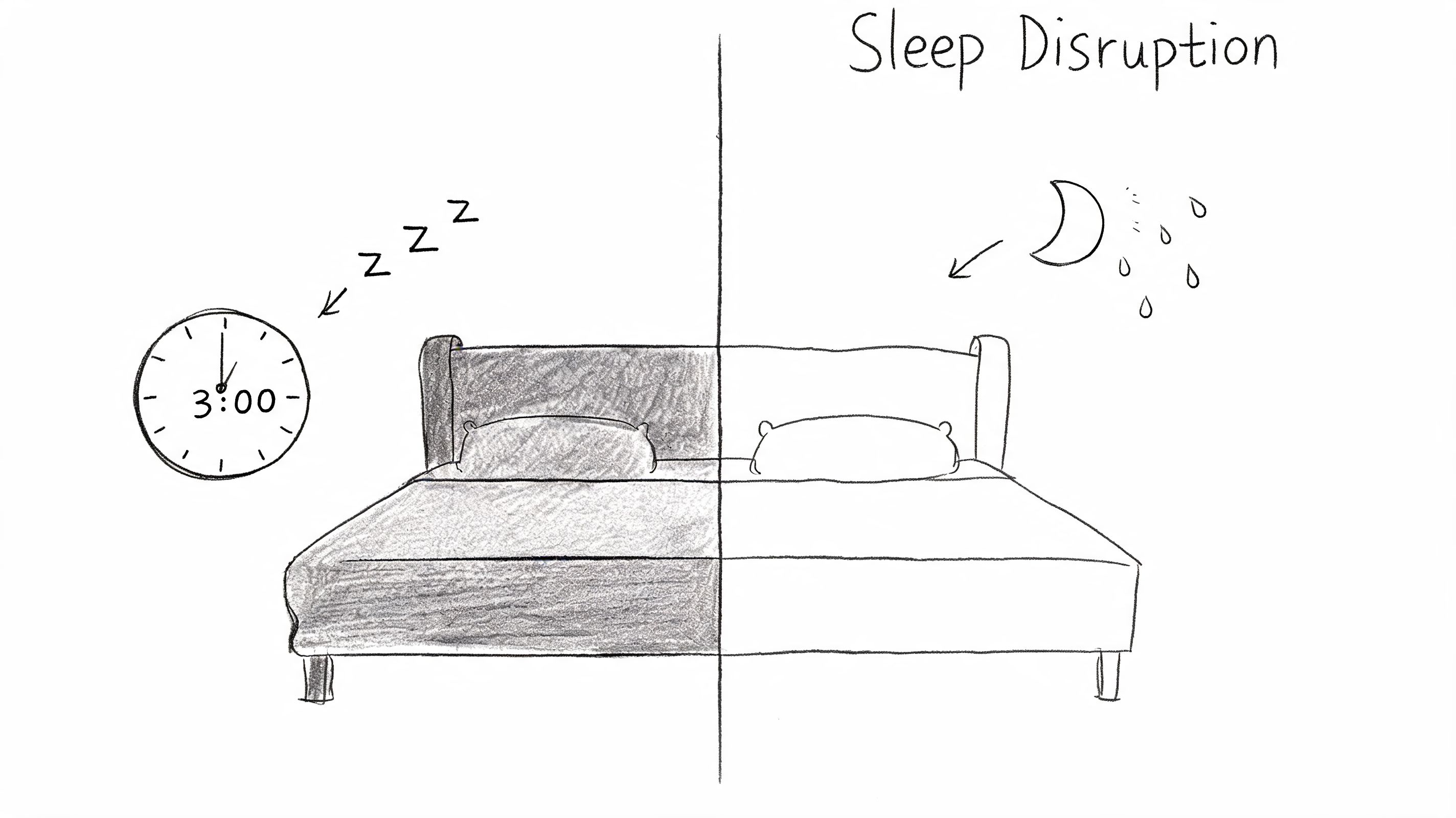
Sleep disruption in perimenopause is rarely just “bad sleep.” It usually has a pattern. That is why this checklist works best as a self-assessment tool, not a symptom list. Group the problem into parts, rate severity, and track it for at least two weeks in Lila so you can see whether the issue is sleep onset, repeated waking, overheating, early waking, or poor-quality sleep that leaves you unrefreshed.
A simple framework helps.
Sleep onset: Are you taking longer than usual to fall asleep?
Night waking: How many times are you awake, and for how long?
Early waking: Are you up well before your intended wake time?
Temperature disruption: Do you wake hot, sweaty, or chilled after sweating?
Sleep quality: Did you sleep soundly, or did it feel light and broken?
Daytime effect: Rate the next day. Fatigue, headaches, sugar cravings, irritability, and poor concentration all count.
Then score it:
Mild: Annoying, but your day is still mostly intact
Moderate: Noticeable effect on mood, focus, patience, or energy
Severe: Repeated nights of poor sleep that affect work, driving, exercise, or daily functioning
That severity rating matters because treatment decisions depend on impact, not just on whether sleep feels “off.”
The first goal is not perfect sleep. It is a more stable pattern you can work with. In practice, the women who improve fastest usually stop changing five things at once. They keep a steady wake time, build a repeatable wind-down routine, reduce bright light late at night, and pay close attention to evening triggers.
Alcohol is a common example of a trade-off. It can make sleep onset easier and the second half of the night worse. Late caffeine, heavy meals, intense evening exercise, a hot bedroom, and doom-scrolling can do the same in different ways.
What helps depends on the pattern you find. If the main problem is overheating, start with room temperature, bedding, and sleepwear. If your issue is a racing mind at 2 or 3 a.m., look at stress load, late stimulation, and whether you are pushing through exhaustion all day and crashing at night. If you need a practical routine, Lila’s guide on how to sleep better during perimenopause walks through the steps in a useful order.
This short video is also useful if sleep has become unpredictable:
▶ PlayOne common pattern in clinic looks like this. A woman says her sleep is random. Her tracking shows something more specific: long sleep onset on high-stress nights, overheating before her period, and repeated waking after wine. Once those pieces are visible, the plan gets simpler. You address the main driver first, keep tracking, and adjust based on what changes.
3. Mood Changes and Emotional Volatility
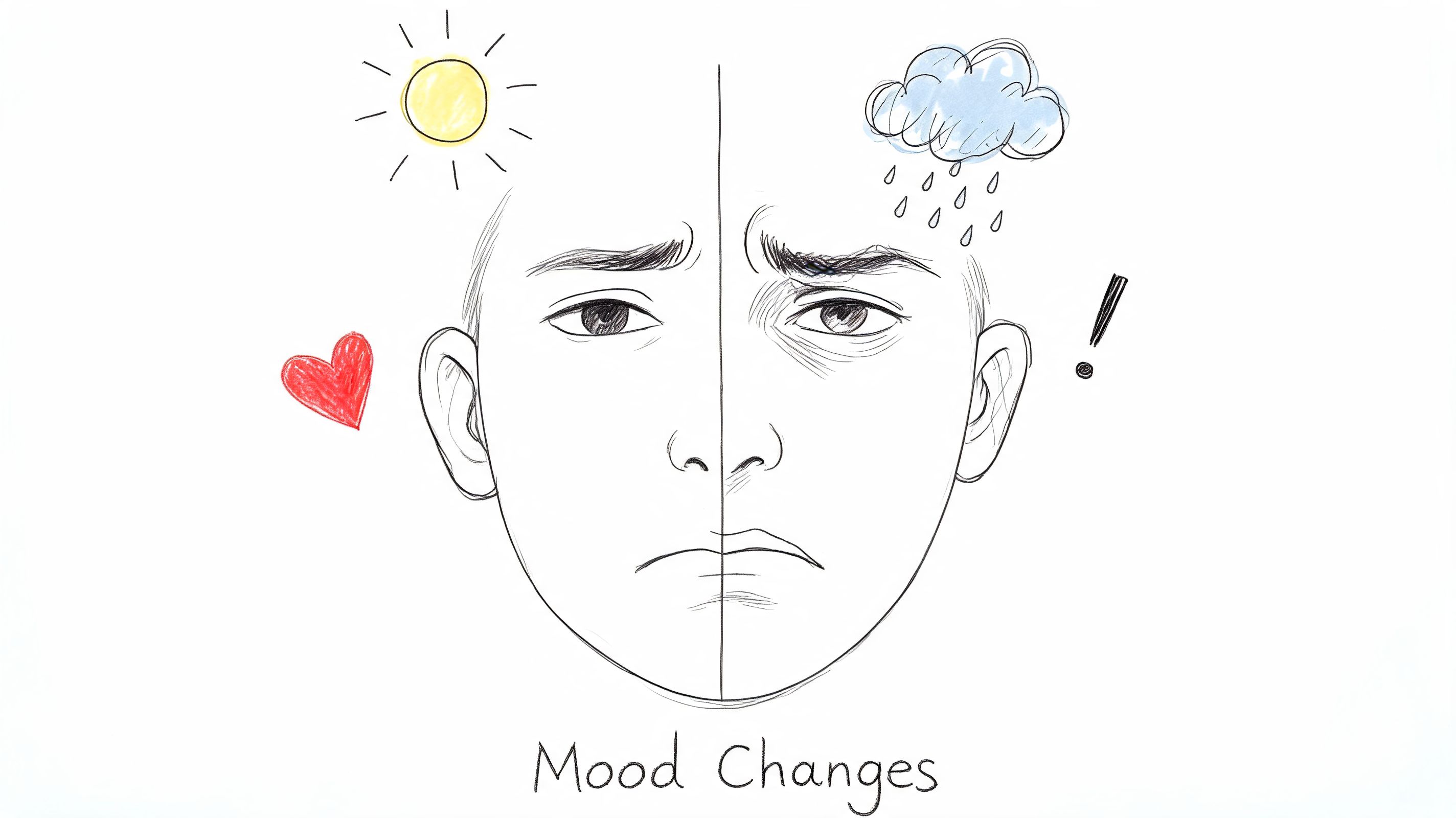
You get through a normal workday, then snap over a small request, cry in the car, and wonder why your reactions feel so unlike you. That pattern is common in perimenopause, and it deserves a proper assessment instead of a vague note that you have been "off."
Hormonal shifts can change stress tolerance, emotional reactivity, and recovery after a hard day. The same survey of 900 perimenopausal women mentioned earlier found mood swings were among the most commonly reported symptoms in that group. Mood belongs on a serious perimenopause symptoms checklist because it affects work, relationships, and daily functioning, not just how you feel in the moment.
How to assess it in a way that leads to action
Mood tracking works best when it is specific. "Bad mood" is too broad to guide decisions. Log the symptom cluster instead:
Irritability: Short temper, low patience, feeling easily provoked
Tearfulness: Crying more easily or feeling emotionally raw
Low mood: Flatness, sadness, loss of interest, reduced resilience
Overwhelm: Small tasks feel unmanageable
Reactivity: Big emotional response to a minor trigger
Then rate severity. A simple 0 to 3 scale works well in Lila or on paper.
0: No meaningful symptom
1: Noticeable, but manageable
2: Affects interactions, focus, or decision-making
3: Disrupts work, relationships, or your ability to function normally
That structure turns a symptom list into a self-assessment tool. It helps you see whether mood changes are occasional, cyclical, or persistent.
In practice, I often see women blame themselves for "overreacting" when the pattern is more specific. Their tracking shows irritability after several poor nights, a sharp dip before bleeding, or a surge in overwhelm on days with skipped meals and high stress. Once the pattern is visible, the plan gets more precise.
What usually helps, and what the trade-offs look like
Willpower is a weak treatment plan for hormone-sensitive mood shifts. Reduce the drivers first.
Useful supports include:
Track timing, not just intensity: Note where the symptom falls in your cycle, even if your cycle has become irregular.
Separate mood from triggers: Log sleep quality, alcohol, food timing, workload, and conflict on the same day.
Protect the basics on higher-risk days: Regular meals, hydration, movement, and quieter evenings often reduce volatility.
Warn the people closest to you: Clear communication lowers friction at home and helps others respond to the pattern instead of reacting to the moment.
Use trend data: Lila can help you spot whether symptoms cluster before a bleed, after poor sleep, or during heavier stress weeks.
There are real trade-offs here. Pushing through a demanding schedule while sleeping poorly often shows up first as irritability. Using alcohol to take the edge off can make next-day mood less stable. Saying yes to everything at work may look productive, but many women find that overcommitment is the difference between a manageable week and an explosive one.
A useful goal is not to eliminate every mood shift. It is to identify which shifts are predictable, which are getting worse, and which need medical or mental health support.
Bring in a clinician if low mood is persistent, anxiety is escalating, relationships are being damaged, or you do not feel like yourself for long stretches. A good symptom record shortens the conversation. Instead of saying "my mood is all over the place," you can show frequency, severity, timing, and likely triggers, then build a plan from there.
4. Brain Fog and Cognitive Changes
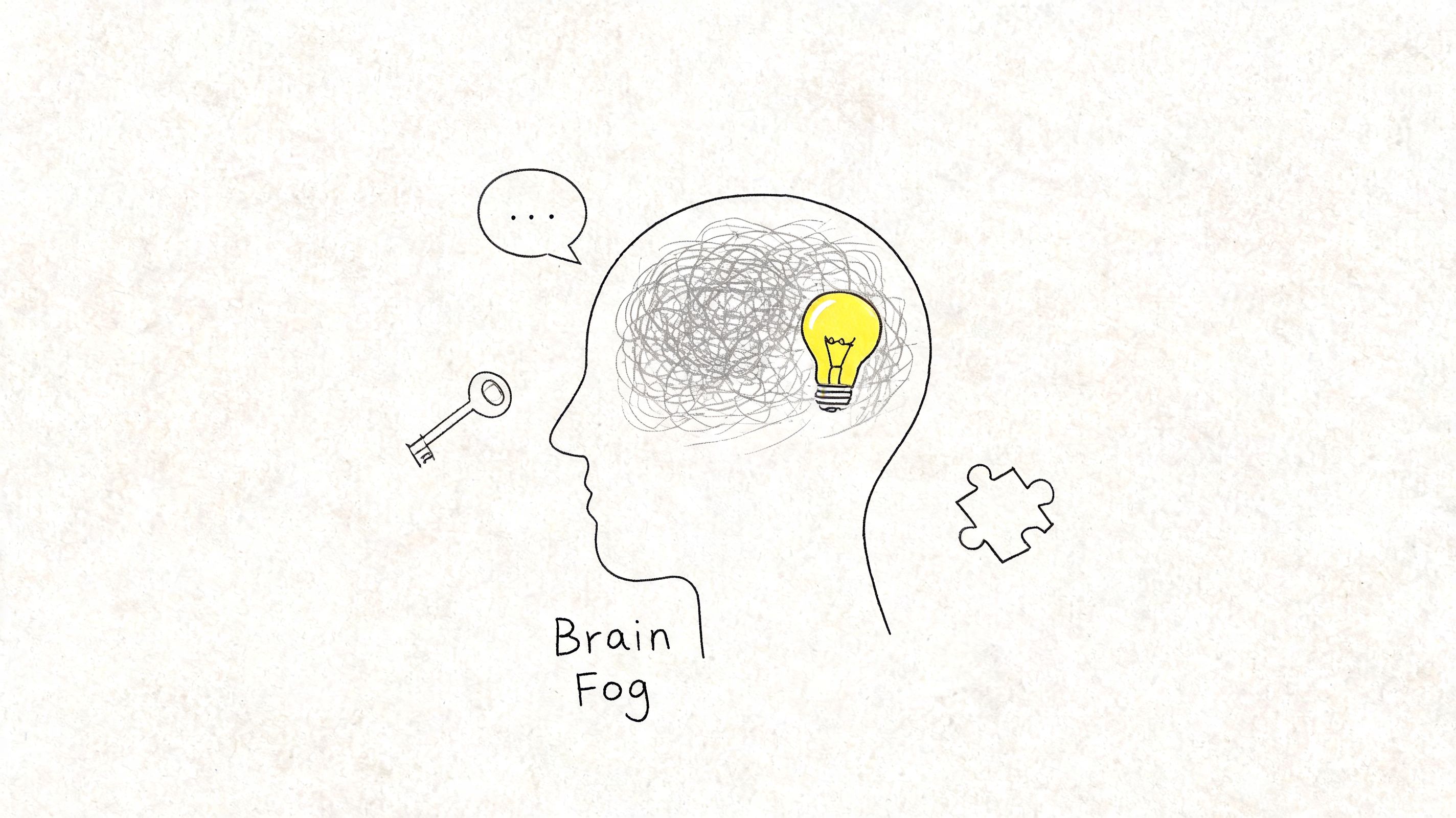
You open an email you have written a hundred times before and lose the next sentence halfway through. In clinic, this is one of the symptoms women describe with the most alarm, especially if they rely on quick thinking at work or carry a heavy mental load at home. The problem is not just forgetfulness. It is the unsettling gap between how your mind usually works and how it feels on harder days.
As noted earlier, the symptom-log analysis previously cited found that brain fog often sits alongside other perimenopausal symptoms rather than showing up on its own. That matters clinically. Cognitive changes are often part of a pattern, not an isolated failure in concentration.
Use the checklist like a symptom map
“Brain fog” is too broad to track well. A better self-assessment breaks it into specific functions so you can see what is changing and how much it interferes with daily life.
Log which of these show up:
Word-finding problems: You know the word but cannot retrieve it quickly
Attention lapses: You start tasks and drift off them
Working memory slips: You forget why you opened a tab, entered a room, or picked up your phone
Decision overload: Routine choices feel harder than they should
Slower processing: You can still do the task, but it takes more effort and more time
Then rate severity in a way that is useful:
Mild: Noticeable, but you can still function normally
Moderate: Work, home tasks, or conversations take extra effort
Severe: You miss deadlines, make errors, or avoid tasks because your thinking feels unreliable
Symptom tracking goes beyond being just a list. In Lila, these patterns can be logged next to sleep, cycle timing, hot flashes, meals, and stress so your action plan is based on your own data, not guesswork.
What usually explains the worst days
In practice, brain fog often spikes after fragmented sleep, night sweats, long stretches without eating, high stress, or too much mental switching. That is why broad reassurance is rarely enough. The useful question is, "What is making your brain work harder this week?"
There are real trade-offs. A woman can often get through a demanding day on caffeine and adrenaline, but the cost may show up later as poorer focus, more mistakes, and less patience. Multitasking may feel productive in the moment, yet it usually makes cognitive symptoms more obvious.
What to do with the pattern
Start with external supports. Write things down. Use calendar prompts. Close extra tabs. Finish one task before opening the next when possible. Regular meals, hydration, and earlier wind-down routines often help more than women expect.
I also tell women to watch for context. If brain fog is mild at home but obvious in meetings, presentations, or school drop-off chaos, that is useful information. It points to cognitive load and timing, not just hormones in the abstract.
A good goal is not perfect mental sharpness every day. It is to identify whether the symptom is occasional, predictable, or progressing.
Bring in a clinician if the change is persistent, worsening, or out of proportion to the rest of your symptom pattern, or if it comes with headaches, fainting, major mood changes, new neurological symptoms, or significant disruption at work. Perimenopause can affect concentration, but it should not be used as a catch-all explanation for every cognitive complaint.
5. Weight Gain and Metabolic Changes
She is eating roughly the same, exercising with the same discipline, and her clothes still fit differently by afternoon. That pattern is common in perimenopause, and it often leaves women feeling blamed for a body change they did not "cause" with poor habits.
The shift is usually broader than weight alone. Body composition can change. Waist circumference can increase. Hunger, cravings, and post-meal energy can become less predictable. The Midi statistics overview also notes that weight gain and slower metabolism are frequent concerns during this stage.
That matters because this section of a perimenopause symptoms checklist is not just about the number on the scale. It is a self-assessment of metabolic function. If you track the pattern by symptom cluster, severity, and timing, you can separate a temporary fluctuation from a trend that needs a plan.
A practical metabolic self-check
Use these markers together, not one at a time:
Waistline change: Trousers, skirts, or waistbands feel tighter even when scale changes are small
Craving pattern: Stronger sugar or refined carb cravings, often later in the day
Energy response: Sleepy, shaky, or irritable between meals, or a marked slump after eating
Exercise response: Workouts that once felt manageable now leave you depleted or unusually sore
Appetite regulation: Hungrier than usual, less satisfied after meals, or swinging between low appetite and overeating
Then rate each one as mild, moderate, or severe. In Lila, that kind of logging is useful from the first week because it turns a vague complaint into a usable pattern. If cravings are moderate but energy crashes are severe, the starting point is different than it would be for steady energy with gradual waistline change.
Weekly review works better than daily judgment. Day-to-day weight can swing with salt intake, bowel habits, cycle changes, and sleep loss. A four-week trend is more informative.
What usually helps, and what often backfires
Strength training tends to matter more than adding more and more cardio. Protein intake matters. Sleep quality matters just as much as food choices for many women, because short nights often worsen appetite cues, cravings, and recovery.
Aggressive restriction creates a real trade-off. It may produce short-term scale movement, but it also raises the odds of fatigue, irritability, rebound eating, and skipped workouts. For many women in perimenopause, the better strategy is less dramatic and more sustainable: regular meals, enough protein earlier in the day, resistance work, and a sleep routine that is realistic enough to maintain.
Here is the pattern I see often in practice. A woman assumes the problem is willpower, starts cutting food hard, then ends up exhausted by late afternoon and overeating at night. Once she tracks sleep, meals, cravings, and cycle timing in Lila, the pattern becomes clearer. The plan can then target the driver instead of punishing the symptom.
Bring in a clinician if weight or swelling changes are rapid, if fatigue is pronounced, or if the pattern comes with constipation, feeling unusually cold, shortness of breath, or other symptoms that suggest something beyond perimenopause. Hormonal change is common. It is not the only explanation.
6. Bloating and Abdominal Discomfort
You get dressed in the morning and your clothes fit normally. By dinner, your waistband feels tight, your abdomen feels full or gassy, and you are wondering whether this is hormones, constipation, food, or something else. That is exactly why bloating belongs on a perimenopause symptoms checklist. It is common, but it is also easy to misread if you do not track it in a structured way.
As reported in the previously linked symptom log study, bloating was one of the more frequently reported symptoms during the perimenopausal transition. In practice, I see it cluster into a few patterns. Some women notice it around cycle shifts. Some notice it after restaurant meals, alcohol, or large portions. Others are mainly dealing with slower bowel habits, abdominal pressure, and a feeling of heaviness by late afternoon.
Use this as a symptom check, not a vague complaint
A useful self-assessment tracks more than "yes, I feel bloated."
Log these points in Lila:
Severity: Mild, moderate, or severe
Timing: On waking, after meals, late day, or around bleeding
Sensation: Tightness, gas, fullness, cramping, visible distention
Bowel pattern: Constipation, looser stools, incomplete bowel movements
Food exposure: Large meals, salty meals, dairy, carbonated drinks, alcohol
Cycle pattern: Worse before a period, during skipped periods, or unrelated to cycle timing
The checklist becomes useful. You sort symptoms by system: digestive, hormonal, or both. That makes the next step more accurate.
What usually helps, and what wastes time
Start with the boring fixes first, because they often work. Regular hydration helps. A short walk after meals helps. Fiber can help if constipation is part of the picture, but increasing it too fast often makes bloating worse. Smaller meals are often better tolerated than one very large "healthy" meal that leaves you uncomfortable for hours.
Random food cuts create confusion. If you remove dairy, gluten, legumes, and fruit all in the same week, you learn very little and may end up eating too little. Test one likely trigger at a time and track it for long enough to see a pattern.
Posture and sitting time can matter too, especially if abdominal pressure and low back discomfort show up together. For women who feel both, Sit Healthier's back pain guide has practical adjustments that may make long workdays more tolerable.
A Lila log often makes the pattern obvious. A woman may find that her worst bloating happens in the days before bleeding, after takeout meals, and during weeks when constipation is worse. Once that is visible, the plan gets simpler. Adjust meal size, increase fluids, support regular bowel movements, and stop treating every episode like a mystery.
Get medical evaluation if bloating is persistent, painful, worsening, or paired with red flags such as vomiting, blood in stool, early fullness, or unexplained weight change. Common symptoms still need context.
7. Joint Aches, Muscle Pain, and Physical Discomfort
A common pattern looks like this. You stand up from your desk and your hips feel tight. Your fingers are stiff first thing in the morning. Your shoulders and low back ache after a normal day, not a hard workout. Many women notice these body symptoms before they connect them to perimenopause.
Joint and muscle discomfort often gets mislabeled as aging, overtraining, or poor fitness. Sometimes those factors matter. Often the bigger picture is hormonal change mixed with sleep loss, stress, long sedentary stretches, and slower recovery. As noted in the earlier-linked menopause statistics overview, joint pain is common during the transition.
For a checklist, this symptom group works best when you sort it by pattern and severity instead of writing down "body aches" and stopping there.
How to assess it clearly
Start with four questions.
Where is it? One joint, several joints, muscles, or a general whole-body heaviness?
When does it show up? Morning, after sitting, after exercise, before a period, or after a bad night of sleep?
How much does it change function? Stairs, grip strength, workouts, walking pace, lifting, or getting comfortable in bed?
What makes it better or worse? Movement, heat, hydration, rest, stress, sitting time, or intense training?
Then rate severity in a way you can use.
Mild: Noticeable, but you can do your usual tasks
Moderate: You modify activity, skip exercise, or need pain relief measures
Severe: Pain limits normal function, changes gait or sleep, or keeps recurring despite basic adjustments
That framework matters because the next step depends on the pattern. General stiffness after inactivity needs a different response than one swollen knee or sharp shoulder pain.
What usually helps
Consistent, moderate movement beats the cycle of doing nothing for days and then pushing through a hard workout on the weekend. Walking, mobility work, swimming, and sensible strength training are often better tolerated than high-intensity sessions when recovery is already poor.
Sleep matters here. So does workload. In clinic, I often see pain scores drop once women improve sleep consistency, break up long sitting blocks, and reduce the "all or nothing" exercise pattern that leaves them flared for two days.
Workstation setup can also change symptoms more than women expect. If low back pain is part of the picture, Sit Healthier's back pain guide offers useful adjustments for sitting posture and movement breaks during long workdays.
A Lila log makes this more precise. You may find that stiffness peaks after poor sleep, during the late luteal phase, or in weeks with low activity and high stress. Once that pattern is visible, you can build a data-based plan instead of guessing. If anxious surges and body tension tend to arrive together, this guide to panic attacks in perimenopause may help you separate muscle pain from stress-related physical symptoms.
Get medical evaluation if pain is swollen, hot, one-sided, sharp, progressively worsening, or limiting normal function. Perimenopause can contribute to aches, but it does not rule out injury, arthritis, autoimmune disease, or another cause that needs treatment.
8. Anxiety and Panic Symptoms
Perimenopausal anxiety can be surprisingly physical. It may feel like dread, internal restlessness, heart pounding, a sense that something is wrong, or sudden surges that resemble panic. For women who’ve never had anxiety before, that can be especially frightening.
The symptom often becomes more intense when it arrives with sleep deprivation, hot flashes, or palpitations. That combination can make a woman fear something catastrophic is happening, even when the episode passes.
The survey of 900 perimenopausal women found that more than 90% had never discussed symptoms with healthcare providers, according to the earlier-linked perimenopause survey. Anxiety often sits inside that silence because women think they should just manage it themselves.
How to make anxiety trackable
Track both the emotional and physical parts.
Mental symptoms: Worry, dread, racing thoughts, catastrophic thinking
Body symptoms: Palpitations, shakiness, shortness of breath, sweating, chest tightness
Context: Sleep quality, caffeine, alcohol, conflict, cycle phase, hot flashes
Recovery time: Minutes, hours, or the whole day
Impact: Does it stop you from driving, sleeping, working, or going out?
Anxiety can look random until you contextualize it with sleep, heat symptoms, and stress.
What helps most in the moment
Slow breathing. Grounding. Reducing stimulation. Lowering caffeine. Protecting sleep. Daily movement. Those aren’t glamorous answers, but they work more reliably than trying to “think your way out” of a nervous system that’s already activated.
Lila’s guide on panic attacks and perimenopause is useful if you’re trying to sort out whether sudden anxiety surges might be part of this transition.
Anxiety that feels new in perimenopause is still real anxiety. It deserves support, not dismissal.
A typical scenario: a woman tracks episodes and notices they cluster after poor sleep and around hot flashes. Once she sees that link, the fear often softens. The symptom is still unpleasant, but it becomes less mysterious. That alone can reduce escalation.
If anxiety is severe, frequent, or comes with chest pain, fainting, or safety concerns, seek medical care promptly. Pattern recognition helps, but it’s not a substitute for evaluation when symptoms feel alarming.
Perimenopause Symptoms: 8-Point Comparison
Symptom | Implementation complexity 🔄 | Resource requirements 💡 | Expected outcomes ⭐📊 | Ideal use cases | Key advantages ⚡ |
|---|---|---|---|---|---|
Hot Flashes and Night Sweats | Low–Moderate 🔄🔄 (lifestyle changes, optional medical review) | Tracking, cooling strategies, breathwork, possible HRT consult 💡 | Reduced frequency/intensity (30–80% depending on intervention) ⭐📊 | Frequent daytime/night episodes that disrupt sleep or activities | Rapid symptom relief with environmental/behavioral changes; well-researched ⚡ |
Sleep Disruption and Insomnia | Moderate 🔄🔄🔄 (sleep hygiene, CBT‑I or meds if needed) | Sleep tracking, CBT‑I resources, bedroom optimization, provider input 💡 | Improved sleep continuity and daytime function within 2–4 weeks ⭐📊 | Fragmented sleep, early awakening, daytime fatigue | Sleep gains improve mood/cognition; progress is measurable and motivating ⚡ |
Mood Changes and Emotional Volatility | Moderate 🔄🔄 (tracking + behavioral/therapeutic support) | Daily mood logging, stress‑management tools, therapy or meds as needed 💡 | Better emotional regulation with integrated care; variable magnitude ⭐📊 | Cyclical irritability, new anxiety or mood swings affecting relationships | Pattern recognition reduces self‑blame; multiple non‑drug strategies available ⚡ |
Brain Fog and Cognitive Changes | Low–Moderate 🔄🔄 (sleep and lifestyle focus) | Cognitive symptom tracking, sleep optimization, organizational aids, exercise 💡 | Improved clarity and memory within weeks when sleep/stress addressed ⭐📊 | Workplace lapses, word‑finding difficulty, reduced concentration | Often reversible with sleep and stress management; tracking differentiates causes ⚡ |
Weight Gain and Metabolic Changes | Moderate–High 🔄🔄🔄 (multifactorial, sustained interventions) | Nutrition logging, strength training, sleep/stress strategies, possible metabolic testing 💡 | Gradual body‑composition improvement over weeks–months; weight stabilization ⭐📊 | Unexplained weight or central fat gain despite unchanged habits | Measurable metrics drive change; holistic interventions (diet+exercise+sleep) effective ⚡ |
Bloating and Abdominal Discomfort | Low–Moderate 🔄🔄 (dietary tweaks and tracking) | Food logs, hydration, fiber/probiotics, elimination trials, provider testing if needed 💡 | Rapid symptom relief (hours–days) when triggers eliminated ⭐📊 | Post‑meal distension, cyclic premenstrual bloating or constipation‑related discomfort | Quick feedback loop to dietary changes; highly trackable and often fast improvement ⚡ |
Joint Aches, Muscle Pain, and Physical Discomfort | Moderate 🔄🔄🔄 (movement + anti‑inflammatory approach) | Movement programs, strength training, nutrition, sleep improvement, possible specialist consult 💡 | Pain and stiffness ↓ with consistent interventions over weeks ⭐📊 | New/worsening musculoskeletal pain limiting mobility or exercise | Functional gains from low‑impact exercise and anti‑inflammatory strategies; multi‑domain benefits ⚡ |
Anxiety and Panic Symptoms | Moderate–High 🔄🔄🔄 (self‑help + possible therapy/meds) | Anxiety logging, breathing/CBT tools, sleep/stress interventions, mental health access 💡 | Reduced frequency/intensity with integrated care; acute relief from breathing techniques ⭐📊 | New panic‑like episodes, intense sudden anxiety, or anxiety worsening with sleep loss | Trackable triggers; rapid symptom reduction with coping strategies and targeted therapy ⚡ |
From Checklist to Action Plan Your Next Steps
You wake at 3:12 a.m., drenched, anxious, and wide awake. The next day you are foggy, short-tempered, hungry for sugar, and wondering whether the problem is hormones, stress, poor sleep, or all three. That is exactly why a checklist should lead to a plan, not sit there as a one-time list of complaints.
The women I see do best when they resist the urge to change everything at once. If you cut caffeine, start supplements, change your workouts, overhaul your diet, and add a new sleep routine in the same week, you lose the ability to see cause and effect. You also make an already difficult phase harder to manage.
Start with observation.
Track one week of real life before making major changes. Log symptoms by system: vasomotor symptoms such as hot flashes and night sweats, sleep, mood, cognition, digestive symptoms, pain, anxiety, and cycle changes. Then rate each symptom the same way every day:
Mild: noticeable, but it does not change your day
Moderate: affects focus, comfort, sleep, or routine
Severe: interrupts work, relationships, daily function, or sleep in a meaningful way
That simple framework turns a symptom list into usable clinical information. “I feel off” is hard to act on. “Night sweats were severe three nights this week, followed by moderate anxiety and brain fog the next day” gives you a pattern you can work with.
Patterns matter more than isolated symptoms.
Broken sleep often shows up first, then anxiety, cravings, low mood, and poor concentration follow. Bloating may cluster in the late luteal phase. Caffeine may aggravate both hot flashes and panic symptoms. Joint pain may be worse after several poor nights of sleep. Once you can see the pattern, you can choose the highest-yield intervention instead of chasing eight symptoms separately.
Lila helps organize that process in one place. You can track symptom severity, spot links across sleep, mood, meals, energy, and cycles, and build a personalized action plan based on your own data from the start.
Self-tracking also fills a practical gap in care. Many women delay getting help, minimize symptoms, or arrive at appointments with only a general sense that something has changed, as noted earlier. A clear record shortens that gap and usually leads to a more productive conversation.
A practical next-step framework looks like this:
Choose one driver symptom first. Start with the symptom causing the most disruption, often sleep, heavy bleeding, anxiety, or hot flashes.
Test one change at a time. Examples include cooling the bedroom, reducing evening alcohol, shifting exercise earlier, eating more consistently, or tightening wake time.
Track the response for long enough to judge it fairly. A few days may be enough for bloating triggers. Sleep and mood patterns often need longer.
Bring your notes to your appointment. Dates, severity, timing, and cycle context help clinicians rule in or rule out likely causes faster.
Act quickly on red flags. Heavy bleeding, chest pain, fainting, severe depression, suicidal thinking, or a sharp drop in daily functioning needs prompt medical evaluation.
Some women also want lifestyle or complementary options. If that is your next step, add one approach at a time and keep tracking so you can tell whether it helps. For example, some women explore herbal solutions for perimenopausal women alongside sleep, nutrition, and medical care.
The goal is not perfect symptom control. The goal is a clearer picture of what is happening, what is getting worse, what is linked, and what responds to treatment. A structured checklist does that job far better than a one-time worksheet because it gives you trend data, not just a snapshot.
If you are tired of guessing, Lila gives you a practical place to start. You can log symptoms daily, see patterns across sleep, mood, energy, meals, and cycles, and get a personalized action plan that helps you focus on what is most likely to help first. For women dealing with perimenopause in real time, that structure makes symptoms easier to understand and much easier to manage.
Get Lila, your personal coach for perimenopause.
Built for women in their 40s. 24/7 coaching, in your pocket.